
WoW Woman in Wellness - Victoria Contreras, founder and CEO of Yomisma
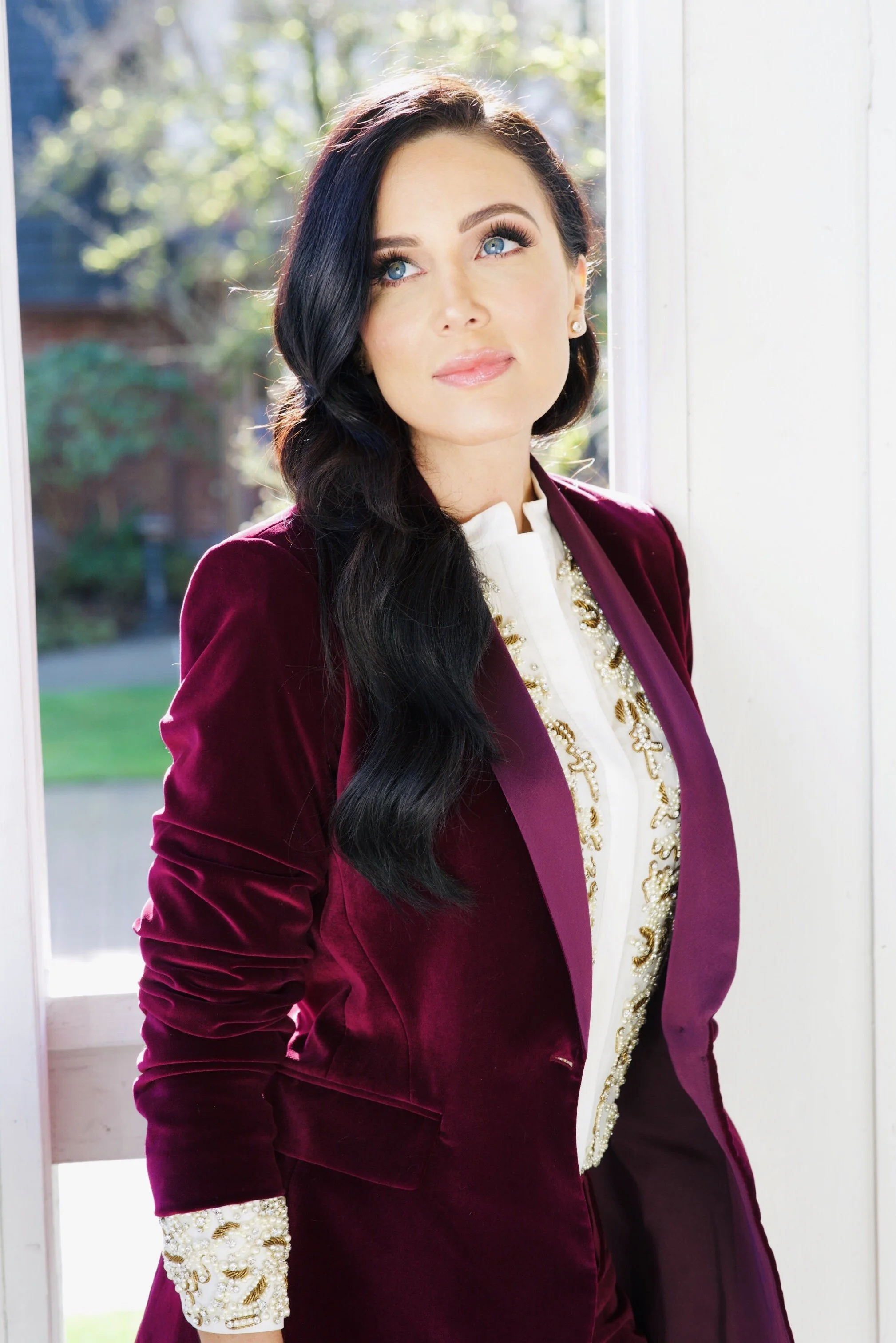
Victoria Contreras is the founder and CEO of Yomisma, Inc., a sleep wellness company reimagining sleepwear as a tool for recovery, comfort, and women's health. She developed TriVara™, a proprietary three-fiber smart textile system designed to support thermoregulation, recovery, and skin comfort, and leads the company's product development, clinical strategy, and fundraising efforts.
Before founding Yomisma, Victoria spent a decade in sales and business leadership at one of the Pacific Northwest's largest performing arts organizations, where she managed a 30-person team and generated millions of dollars in new ancillary revenue through customer-centered membership, retention, and engagement initiatives. Known for identifying unmet consumer needs and building innovative solutions around them, she also worked with the Washington State Attorney General's Office to help draft anti-bot ticketing legislation that was later adopted at the federal level.
A lifelong entrepreneur and creative problem solver, Victoria originally launched Yomisma as an ethical women's apparel brand focused on low-carbon manufacturing, zero-waste production, and economic empowerment initiatives supporting refugee and artisan communities. After experiencing the effects of perimenopause firsthand and finding few solutions designed specifically for women, she pivoted the company into sleep wellness and spent years researching, sourcing, and developing the foundation for what would become TriVara™.
Based in Bellevue, Washington, Victoria is building Yomisma around the idea that sleep is the foundation of health. Sleepwear is Yomisma's starting point, but her long-term vision is to create a comprehensive sleep wellness ecosystem that helps women recover, restore, and thrive through every stage of life.
Yomisma (meaning “self” in Spanish), is a science-backed sleep wellness brand designed for women in perimenopause and menopause. At its core is TriVara™, a proprietary three-fiber textile system engineered to support thermoregulation, recovery, and skin comfort throughout the night. Yomisma's debut collection launches with a Summer 2026 presale, followed by the REST Trial (Recovery, Efficacy, Skin, Thermoregulation), a 50-woman observational study using Oura Ring data beginning in September 2026. Guided by the belief that sleepwear can do more than provide comfort, Yomisma is reimagining sleepwear as Wellness You Can Wear™.
Tell us a bit about your background and your projects so far.
My background spans music, live events, advocacy, and now wearable wellness technology. I spent more than twenty years as a professional vocalist and performance coach, while also building a career in business leadership. For ten years, I led a 30-person sales and service team, where I focused on creating new revenue streams by identifying and solving customer pain points. I also helped draft anti-bot ticketing legislation with the Washington State Attorney General's Office that was later adopted at the federal level.
Yomisma originally began as an ethical fashion brand focused on low-carbon manufacturing and responsible supply chains. When I entered perimenopause and experienced disrupted sleep, night sweats, inflammation, and dry skin, I realized there were few products designed specifically for what women were experiencing. That realization led me to pivot the company entirely and develop TriVara™, a three-fiber smart textile system designed to support recovery and sleep. Today, I'm preparing for our first clinical wear study and the launch of Yomisma's debut collection.
Sleepwear is Yomisma's starting point, but Victoria's long-term vision is to build a comprehensive sleep wellness ecosystem that helps women recover, restore, and thrive through every stage of life.
How did you get into this industry? Has it been an easy industry to get into or have you had many challenges?
My entry into femtech and wearable wellness was deeply personal. While building my original fashion brand, I began experiencing perimenopause symptoms and quickly discovered how few solutions were designed specifically for women in this stage of life. That gap became the foundation for Yomisma's evolution into a sleep wellness company.
It has not been an easy path. Menopause remains underfunded and historically overlooked, which means founders often need to build awareness for the category while building the business itself. Developing a novel textile system required years of R&D, sourcing, manufacturing collaboration, and intellectual property work. Raising capital as a solo female founder has required persistence, but it's encouraging to see growing momentum from investors and advocates focused on women's health.
How long did it take you to be where you are now? What was the biggest obstacle? What are the challenges of being in the industry you are in?
The journey from Yomisma's original concept to its current form as a sleep wellness company has taken several years of research, reformulation, and product development. The biggest obstacle has been building within a category that has historically lacked investment, research, and infrastructure. Women's health—and menopause in particular—has often been treated as a niche issue despite affecting millions of women globally.
As a founder, that has meant not only developing a product, but also helping build the evidence base behind it. One of our most important next steps is the REST Trial, a wearable biometric study designed to better understand how our textile system may impact sleep, recovery, skin comfort, and thermoregulation. In many ways, the challenge has been transforming an overlooked problem into a category that investors, retailers, and consumers increasingly recognize as important.
What are your biggest achievements to date?
My most significant achievement has been developing the TriVara™ system and transforming Yomisma from an early-stage concept into a sleep wellness company with meaningful traction. We have built a loyal customer base, a growing waitlist, secured manufacturing for our debut collection, developed a clinical wear-study protocol, and established relationships with leading investors, advisors, and advocates in women's health. Most importantly, we've created a product designed to address a problem millions of women experience, but that has historically been underserved.
What are the projects you are currently working on?
I'm focused on four major milestones: launching Yomisma's debut sleepwear collection, initiating the REST Trial (Recovery, Efficacy, Skin, Thermoregulation), closing a SAFE financing round to support growth, and advancing our provisional patent. The REST Trial will begin in August 2026 and use wearable biometric data from Oura Ring users under the guidance of a sleep medicine advisor.
While sleepwear is our first product category, our long-term vision is to build a broader sleep wellness ecosystem for women. We see sleepwear as the layer closest to the body and the foundation for future products that support recovery, comfort, and sleep health throughout the night.
Is the #WomenInTech movement important to you and if so, why?
Yes, deeply. So much of consumer product design—from car safety testing to fitness trackers and health wearables—has historically been built around male bodies and male data, leaving women's needs as an afterthought rather than a starting point. I believe that's a major reason categories like menopause wellness have remained underserved for so long.
For me, #WomenInTech isn't just about representation. It's about who gets to decide which problems are worth solving. As a solo female founder building a product around an experience the industry largely ignored, I see visibility and community for women in health and wearable technology as essential to changing what gets funded, researched, and built next.
What will be the key trends in your industry in the next five years and where do you see them heading?
I expect to see continued convergence between wearable technology, smart textiles, and biometric health data. Menopause and women's midlife health are emerging as major areas of innovation, driven by growing consumer demand and increased investor interest in women's health.
I also expect more companies to move toward clinically validated claims supported by biometric data and real-world studies rather than marketing language alone. As consumers become more informed and regulators demand greater rigor, evidence will become a competitive advantage. Finally, I expect continued growth in functional textiles designed to support specific health and wellness outcomes.
What is the most important piece of advice you could give to anyone who wants to start a career in this industry?
Start with a problem you understand personally, and don't be afraid to evolve your solution if the evidence leads you in a different direction. My willingness to pivot Yomisma entirely—even when it required sacrificing short-term revenue—ultimately allowed me to build something far more differentiated.
I would also encourage founders in women's health and wearable technology to invest early in evidence, whether that's data, clinical relationships, or pilot studies. Credibility is often the key that unlocks partnerships, retail opportunities, and investment. Finally, build community intentionally. Many of the opportunities that have accelerated Yomisma came through relationships with other founders, investors, and advocates who believed in the mission.
Who are three inspirational women in your respective industry you admire?
Dr. Mary Claire Haver, Dr. Kelly Casperson, and Tamsen Fadal have each helped transform the conversation around menopause in meaningful ways. Dr. Haver has brought evidence-based menopause education to millions of women, Dr. Casperson has challenged long-standing stigmas surrounding women's health and sexuality, and Tamsen Fadal has used her platform as a journalist and advocate to bring menopause into mainstream conversation. Their work has helped create greater awareness, access to information, and momentum for innovation in women's health—making it easier for companies like Yomisma to exist and serve women in this stage of life.
Find out more about Yomisma on their website.
Follow Yomisma on Instagram.
Connect with Victoria on LinkedIn.
If you want to share your story with us and be featured on our WoW Women blog, get in touch.