
WoW Woman in FemTech - Karolina Rybak, founder of normalnie.
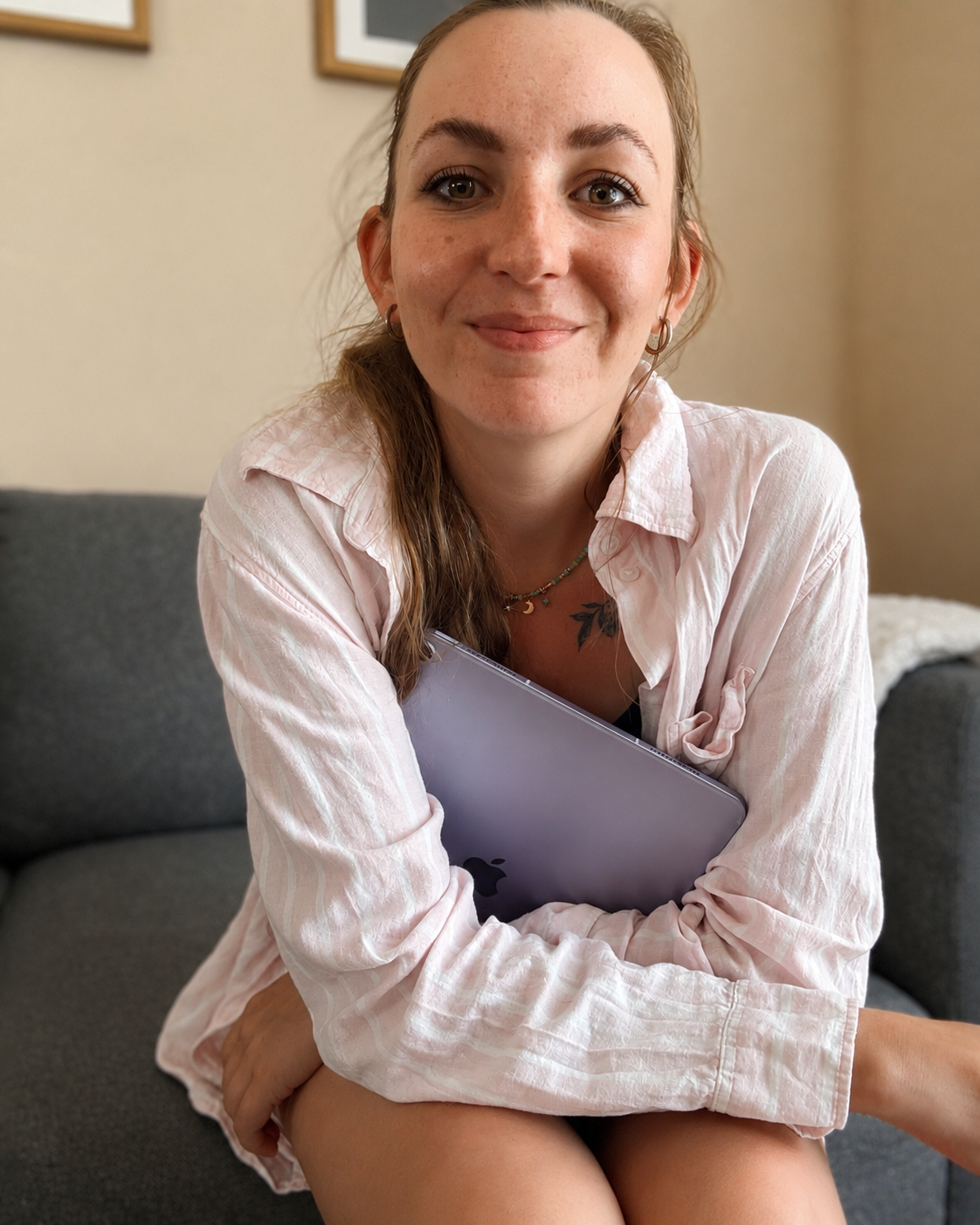
Karolina Rybak is the founder of normalnie. — a women-focused self-awareness app designed to help users recognise repeating emotional and behavioural patterns connected to PMDD, overwhelm, burnout and everyday mental overload. Coming from a background in product analysis and digital systems, she created the app after years of experiencing misunderstood symptoms and multiple misdiagnoses before eventually being diagnosed with PMDD, endometriosis and adenomyosis. Her work focuses on emotional pattern recognition, behavioural awareness and building technology that feels psychologically accurate, emotionally intelligent and genuinely useful in real life.
normalnie. is a women-focused self-awareness app designed to help users recognise repeating emotional and behavioural patterns connected to PMDD, burnout, overwhelm, hormonal changes and everyday mental overload.
Instead of focusing only on mood tracking or productivity, the app helps women better understand emotional predictability, recurring triggers and patterns in daily functioning.
Created from the founder’s own experience with years of misdiagnoses before being diagnosed with PMDD, endometriosis and adenomyosis, normalnie. aims to offer a more emotionally accurate and psychologically aware approach to women’s health technology — one rooted in recognition, clarity and real-life experience rather than performative wellness culture.
Tell us a bit about your background and your projects so far.
I am a product and business analyst working in enterprise digital products and customer experience environments, with a background in complex systems, user journey and behavioural analysis. Over the years, I became increasingly interested in the gap between how women emotionally experience everyday life and how existing digital tools represent it. While many apps focus on productivity, habits or symptom tracking, very few help women understand repeating emotional and behavioural patterns connected to overload, cycles, stress and mental functioning. The app was created from my own experience of spending years trying to understand recurring emotional and physical changes that were repeatedly minimised, misunderstood or misdiagnosed. After years of searching for answers, I was i was eventually diagnosed with PMDD, endometriosis and adenomyosis. This became the foundation of normalnie. - a self-awareness app designed for women experiencing PMS, PMDD, emotional overwhelm, burnout, ADHD inconsistency or just simply wanting to correlate the data between feelings and cycle.
How did you get into this industry? Has it been an easy industry to get into, or have you had many challenges?
I didn’t enter this space through traditional health tech or medical research. Normalnie. Started from observing how many women - including myself and women around me - kept describing the same experience: feeling emotionally inconsistent, overwhelmed and disconnected from themselves in repeating cycles, while struggling to explain it logically. What stood out to me was that many women were already tracking symptoms, moods or periods, but still didn’t actually understand their own emotional patterns. That became the starting point: building something focused less on optimisation and more on recognition, awareness and emotional predictability.
How long did it take you to be where you are now? What was the biggest obstacle? What are the challenges of being in the industry you are in?
One of the biggest challenges has been building a product in a space that is still often misunderstood. Women’s emotional health is frequently reduced to either “wellness” aesthetics or strictly clinical conversations, while a huge number of women are living somewhere in between: high functioning on the outside, but internally struggling with recurring overwhelm, emotional spirals and unpredictability. Another challenge is that emotional experiences are difficult to quantify cleanly. Human behaviour is nuanced, cyclical and context-dependent, so creating something that feels genuinely emotionally accurate requires a very different approach than traditional tracking apps.
What are your biggest achievements to date?
The most meaningful achievement so far has been seeing how strongly women emotionally recognise themselves in the problem normalnie. addresses. Many users describe the experience as “I thought I was the only one” or “I finally stopped blaming myself”. For me, that level of recognition matters just as much as product growth, because it confirms that there is still a major unmet need around emotional self-awareness and behavioural pattern recognition in women’s health. What’s most important - we are not yet in any app stores, but still getting more and more women to find their patterns.
What are the projects you are currently working on?
Currently, I’m focused on expanding normalnie. As a behavioural self-awareness platform for women. This includes further app development and many integrations, so everyone can pick what data they want to correlate. I am also increasingly interested in the broader intersection between emotional health, behavioural data and women’s everyday lived experience, especially in the areas that remain underserved by both traditional wellness and clinical products.
Is the #WomenInTech movement important to you and if so, why?
Yes! But for me, it is important not only in terms of representation, but also in terms of perspective. Women often build products around experiences that were historically minimised, normalised, or dismissed. I think there is still a very large gap in technology around women’s emotional reality, cognitive load, hormonal experiences and invisible mental load. More women building technology means more nuanced and emotionally intelligent products entering the market.
What will be the key trends in your industry in the next five years and where do you see them heading?
I believe women’s health technology will move far beyond basic tracking and optimisation. The next major shift will likely focus on: behavioural patterns, emotional predictability, nervous system awareness, personalised emotional health, and the connection between hormonal, cognitive and environmental factors. I also think users are becoming increasingly resistant to performative wellness culture. People want tools that feel emotionally honest, psychologically accurate and genuinely useful in everyday life.
What is the most important piece of advice you could give to anyone who wants to start a career in this industry?
Build around a real human experience, not just a market trend. You are your own first stakeholder from whom you need to gather the requirements. Some of the strongest products emerge when people deeply understand a problem that is still difficult to articulate publicly. Emotional resonance and trust matter much more than sounding impressive.
Who are three inspirational women in your respective industry you admire? Whitney Wolfe Herd for building a product with a strong emotional and cultural understanding of women’s experiences.
Ida Tin for helping define femtech as a category and opening space for women-centred health technology.
Melanie Perkins for proving that intuitive, emotionally intelligent product design can scale globally.
Find out more about normalnie here.

If you want to share your story with us and be featured on our WoW Women blog, get in touch.