
WoW Woman in Health - Christina Merrill, founder and CEO of the Bone Marrow & Cancer Foundation and creator of CancerBuddy
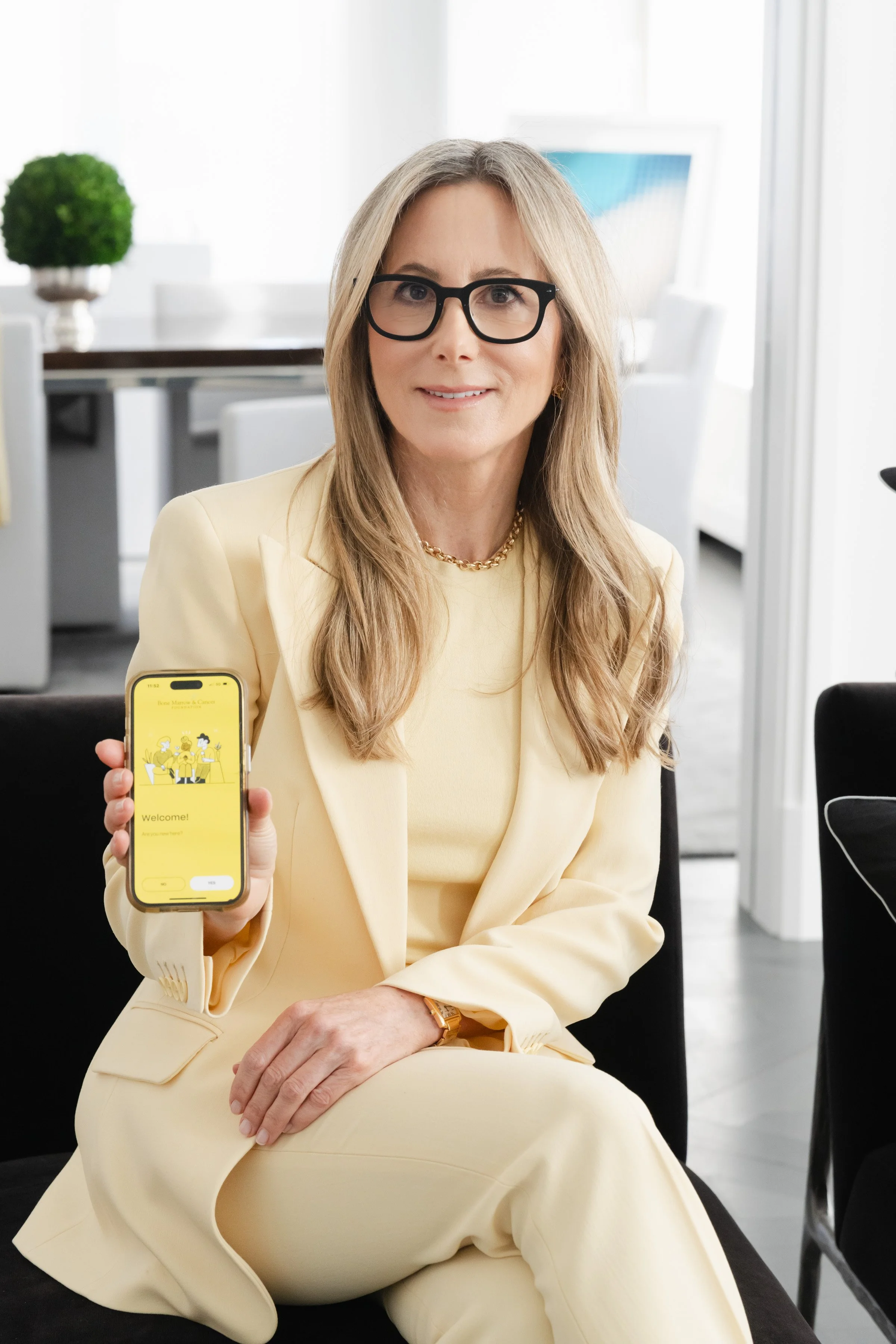
Christina Merrill is the founder and CEO of the Bone Marrow & Cancer Foundation and creator of CancerBuddy, a free app connecting cancer patients, survivors, and caregivers through shared diagnoses, treatments, and experiences. With more than three decades of experience as an oncology social worker, Christina founded the Foundation in 1992 after witnessing the financial, practical, and emotional challenges facing patients and families beyond medical treatment. Recognising the extraordinary power of peer support, she developed CancerBuddy to make meaningful connections accessible to anyone facing cancer, regardless of geography. Inspired by the matching technology of dating apps, CancerBuddy offers personalised connections, support groups, education, and resources. Christina is committed to reducing isolation and ensuring that no one has to face cancer alone.
CancerBuddy is a free, HIPAA-compliant app powered by the Bone Marrow & Cancer Foundation that connects cancer patients, survivors, and caregivers with others who understand what they are experiencing. Through personalised matching based on diagnosis, treatment, age, location, and shared experiences, members can build meaningful one-to-one relationships, participate in support groups, and access education and resources. Created by oncology social worker Christina Merrill, CancerBuddy addresses the isolation that often accompanies cancer by making connection and community accessible whenever people need support. Our goal is to ensure that no one facing cancer has to go through it alone.
Tell us a bit about your background and your projects so far.
I began my career more than 34 years ago as a young oncology social worker in New York City, working with cancer patients and their families. Early on, I saw how much of a cancer diagnosis unfolds beyond the hospital. Families were sleeping in shelters because they couldn't afford lodging near treatment. Patients were missing appointments because they lacked money for transportation. Parents weren't able to visit their sick children in the hospital because they had no one to care for their other children at home.
I began paying for hotel rooms, taxi rides, medication copays, and even babysitters so parents could be at their child's bedside. But I quickly realised that individual acts of kindness weren't enough. These were enormous unmet needs affecting patients and families every day.
In 1992, I founded the Bone Marrow & Cancer Foundation to address these challenges. Over the years, we've developed free programs providing financial assistance, temporary housing, counselling, patient navigation, education, and emotional support to patients and families nationwide.
One of our earliest initiatives was a peer support program that connected patients, survivors, and caregivers with others who had experienced similar diagnoses and treatments. I saw firsthand how powerful these relationships could be. Someone who had been through cancer treatment could offer understanding and reassurance in a way that even the most compassionate healthcare professional couldn't.
But the program wasn't scalable. We were manually matching people and could connect only about 100 to 150 individuals each year, while thousands more needed this type of support. I knew there had to be a better way to make these meaningful connections available to more people.
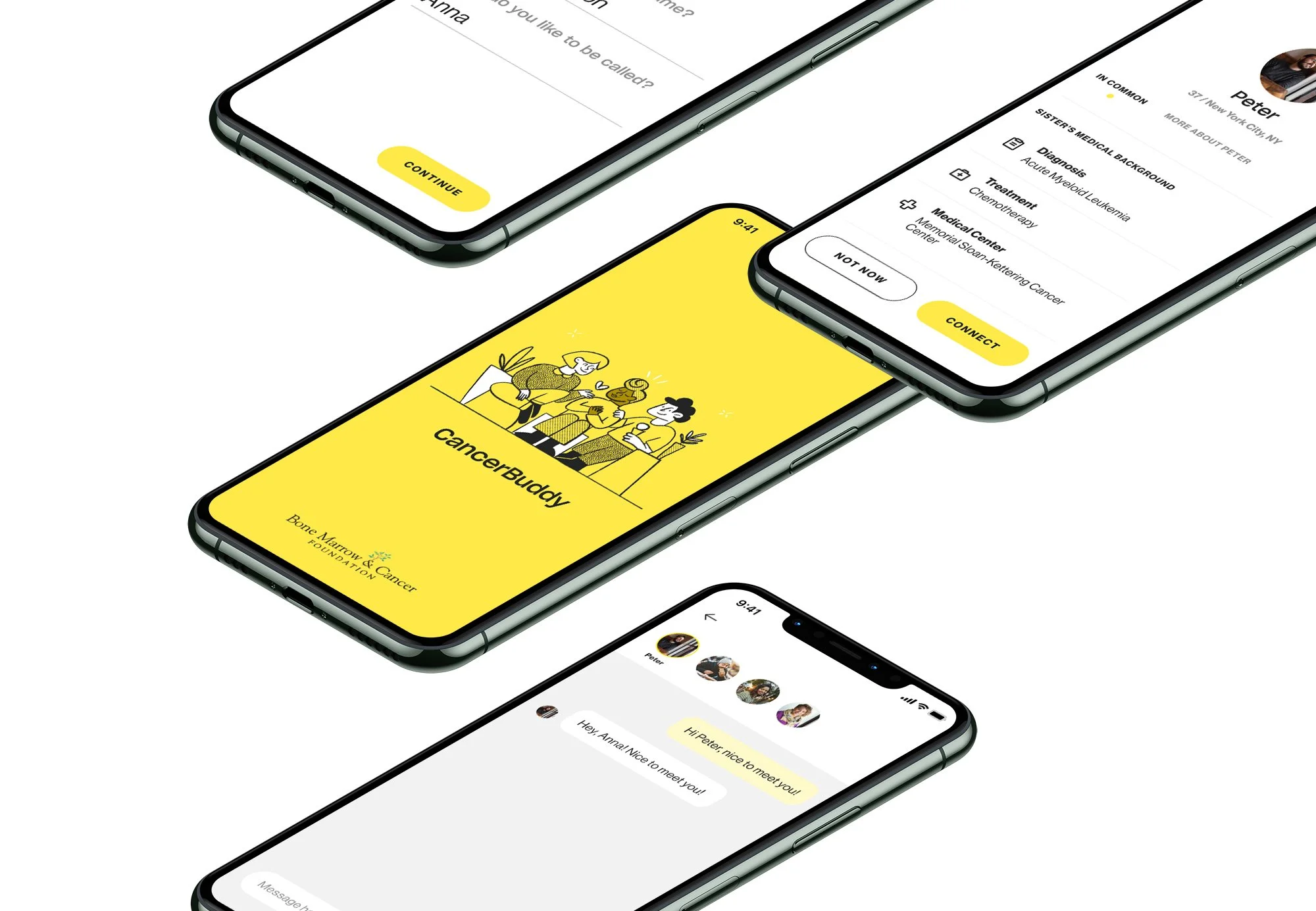
That experience ultimately led me to create CancerBuddy, a free app that connects cancer patients, survivors, and caregivers with others who truly understand what they are going through.
How did you get into this industry? Has it been an easy industry to get into, or have you had many challenges?
I never imagined that after more than three decades in oncology social work, I would find myself developing a technology platform.
The idea for CancerBuddy actually came to me during the pandemic, when I was newly divorced and trying online dating. As I was navigating Bumble, I had a realisation: Why couldn't we use similar matching technology to connect people facing cancer?
Instead of looking for a romantic relationship, imagine being able to find someone your own age, with the same diagnosis, treatment experience, side effects, or fears. Someone who understands what you're going through without needing an explanation.
Patients rarely have opportunities to meet one another in hospitals. They're often isolated in their own rooms, even though we know how important social connection is to emotional well-being and health outcomes.
Building CancerBuddy was an entirely new experience for me. I didn't have a background in technology, but I had something equally important: more than 30 years of experience working directly with cancer patients and their families. I understood their needs, what they were asking for, and what was missing from the support available to them.
That knowledge was incredibly valuable in creating a technology platform specifically for the cancer community. I just needed to find the right development and design team that could translate that understanding into an app that was accessible, easy to use, and truly responsive to patients' needs.
And I found an incredible team. They did an amazing job bringing the vision to life.
We raised approximately $1 million to develop and test CancerBuddy, working closely with patients, survivors, and caregivers throughout the process. Their feedback was essential in shaping the platform and making sure it reflected what people actually wanted and needed.
Today, CancerBuddy offers personalised one-to-one connections, moderated support groups, education, resources, and opportunities to build meaningful relationships that continue through treatment and into survivorship.
One of the greatest challenges has been helping the healthcare community recognise that emotional support and connection are not simply additional services. They are important components of comprehensive cancer care.
How long did it take you to get to where you are now? What was the biggest obstacle? What are the challenges of being in the industry you are in?
In many ways, CancerBuddy has been more than 30 years in the making.
Throughout my career, I've seen extraordinary advances in cancer treatment, but the emotional and practical challenges facing patients and families remain significant.
One of my greatest frustrations was knowing how many patients were experiencing isolation, fear, and uncertainty without having someone to talk to who had been through a similar experience.
Our earlier peer support program demonstrated how transformative these relationships could be, but manually connecting 100 to 150 people a year was never going to meet the enormous need.
Technology finally gave us the opportunity to scale something I had believed in throughout my career: the power of connecting people through shared experiences.
The challenge now is reaching the millions of people who could benefit from CancerBuddy and integrating this type of support more fully into cancer care and hospital systems.
We spend enormous resources developing treatments, which are essential, but we also need to recognise that patients are navigating much more than their medical diagnosis. They may be dealing with financial hardship, changes in relationships, anxiety, loneliness, and the uncertainty of what comes next.
My goal has always been to help address these challenges so that patients and families feel supported throughout their cancer experience, from diagnosis through treatment and survivorship.
What are your biggest achievements to date?
Founding the Bone Marrow & Cancer Foundation in 1992 and seeing how our programs have helped patients and families over the past 34 years is something I'm enormously proud of.
Creating CancerBuddy has been another important milestone because it has allowed us to expand something I've believed in since my earliest days as a social worker: the extraordinary power of human connection.
But some of the most meaningful moments have come from seeing what those connections actually mean in people's lives.
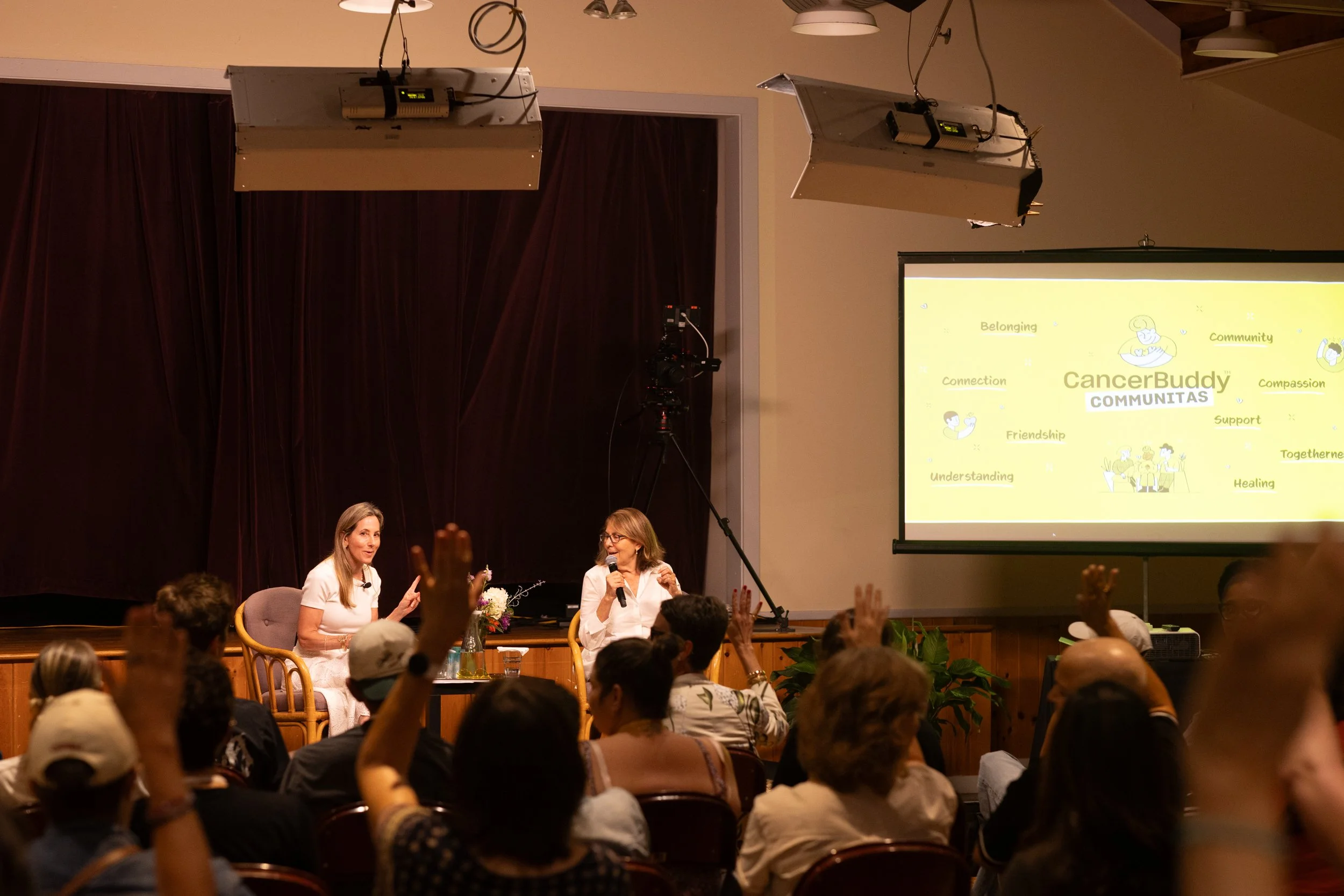
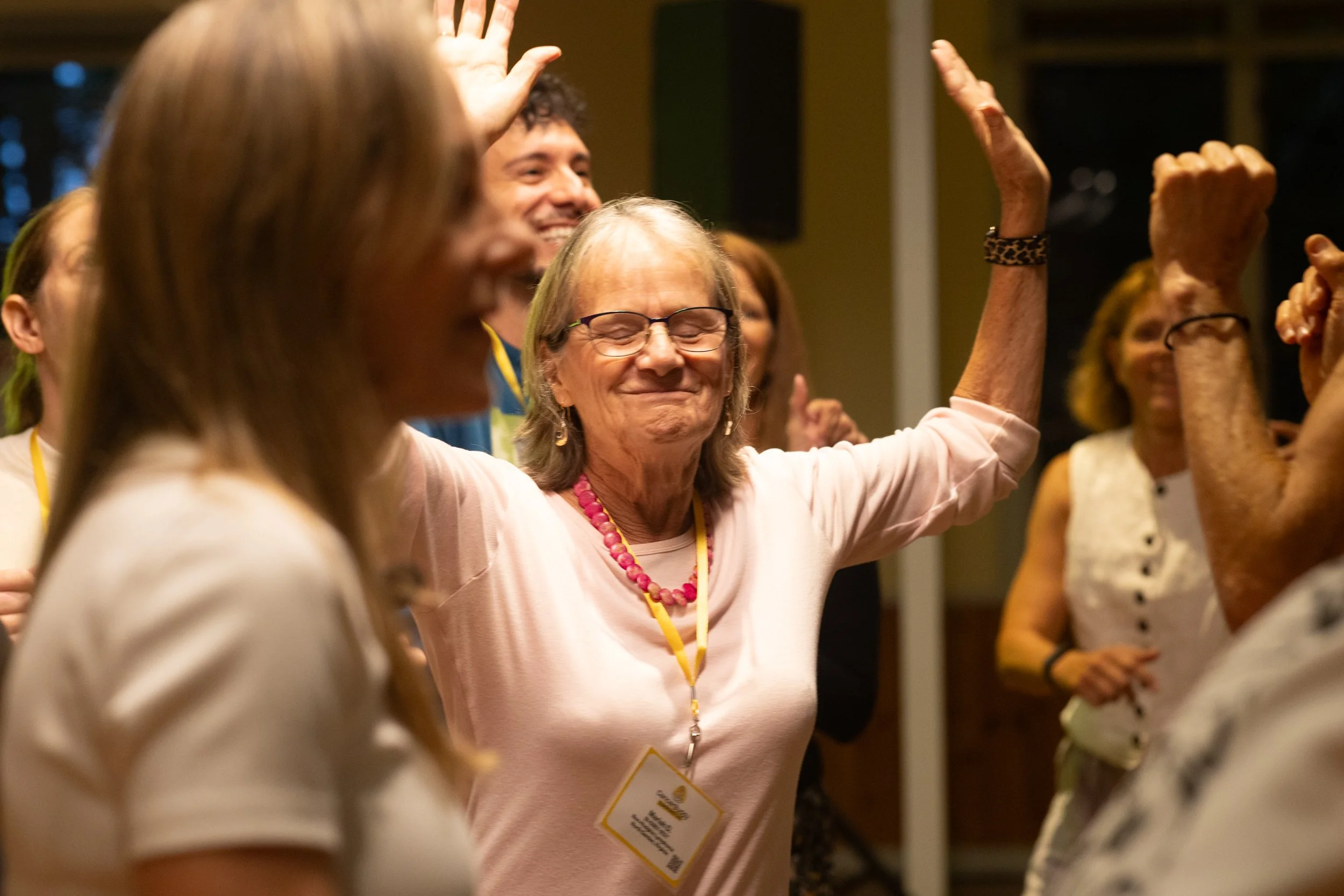
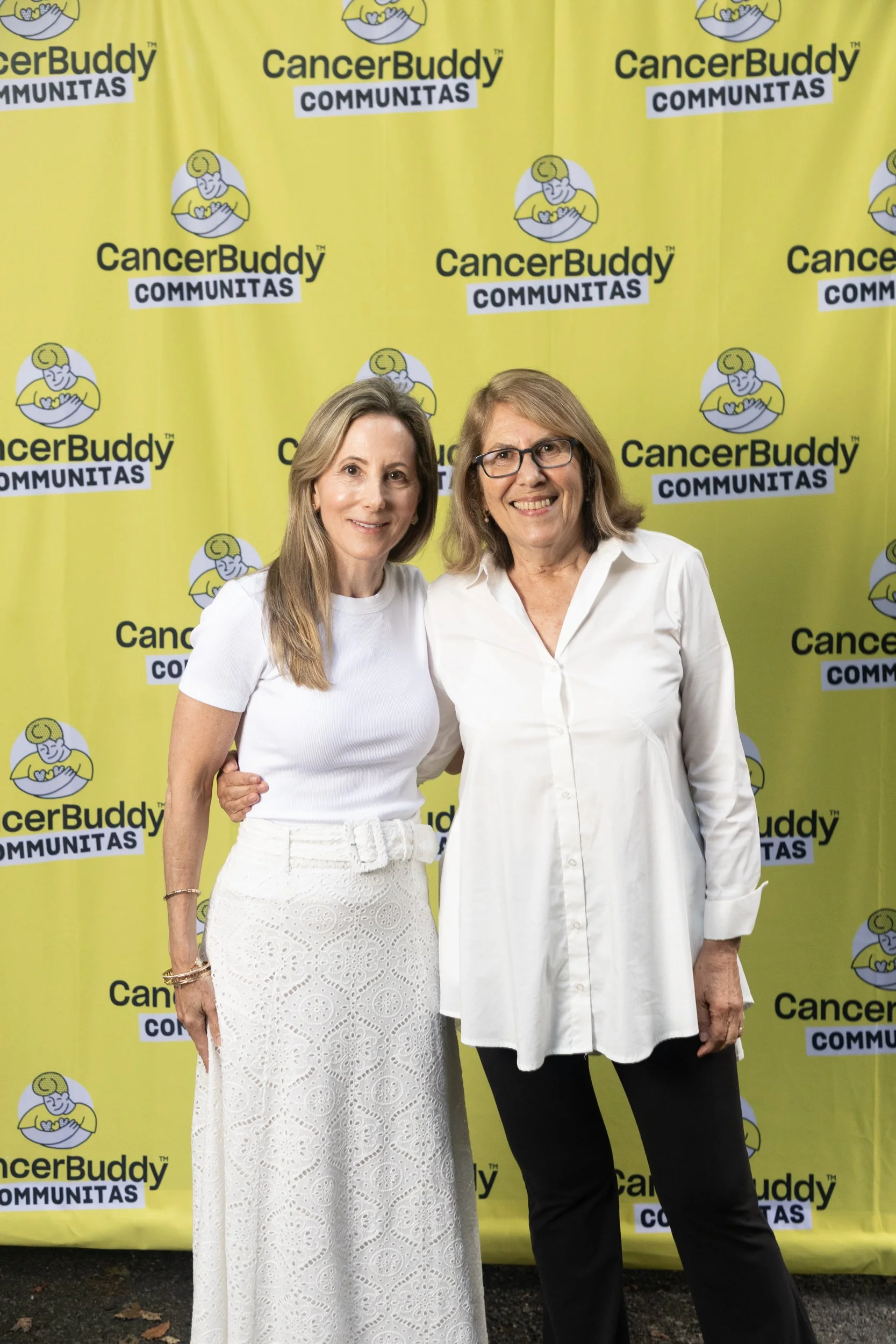
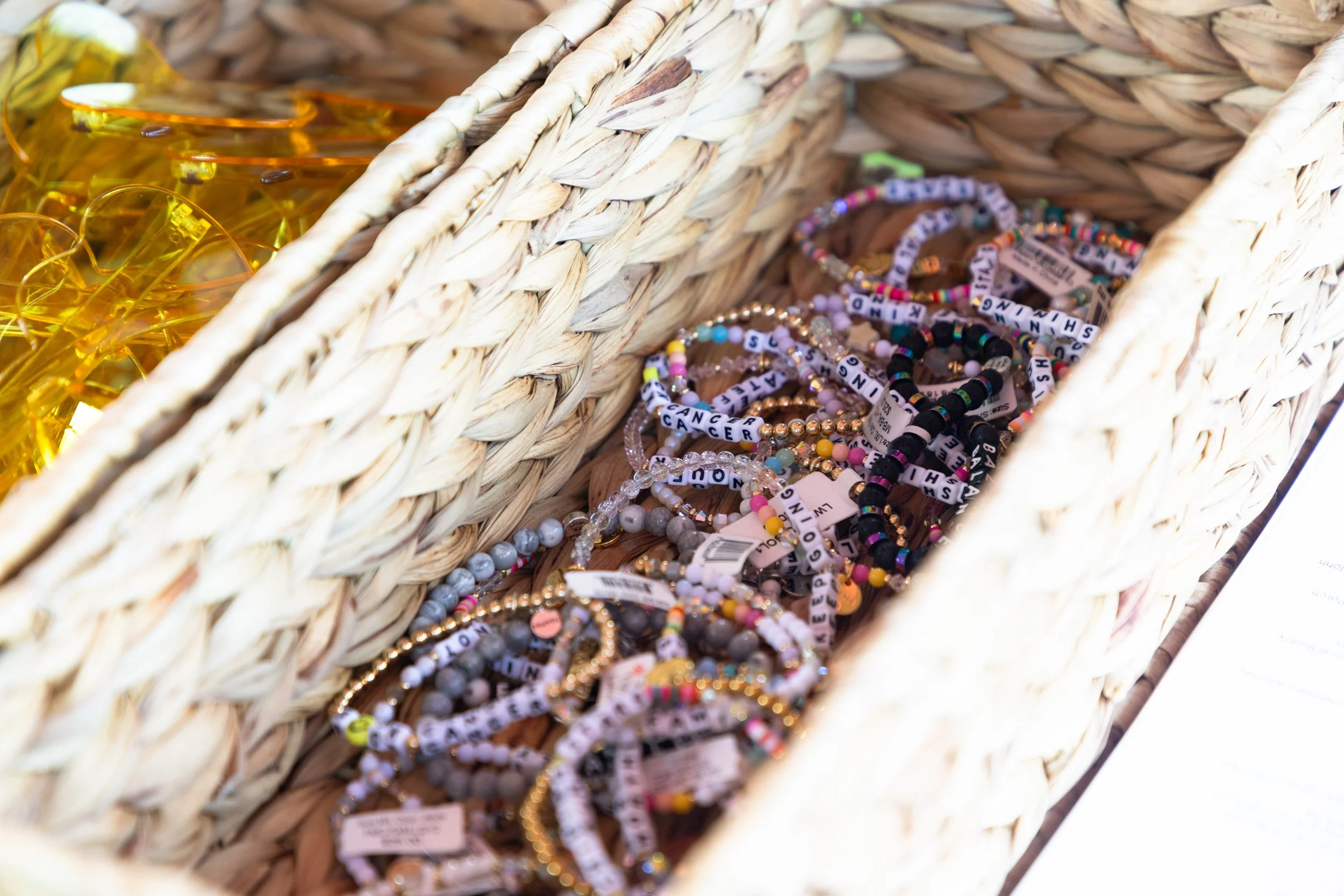
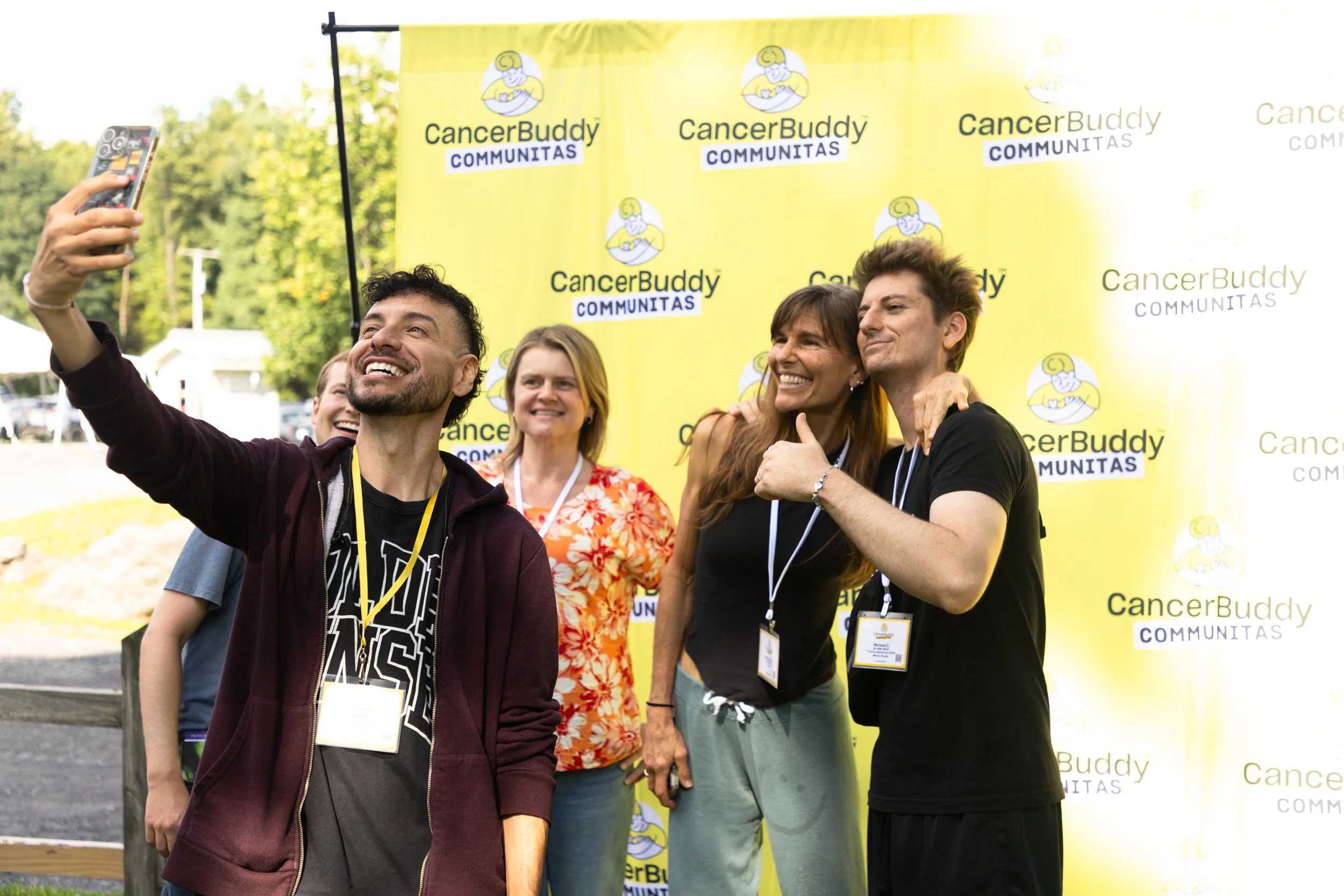
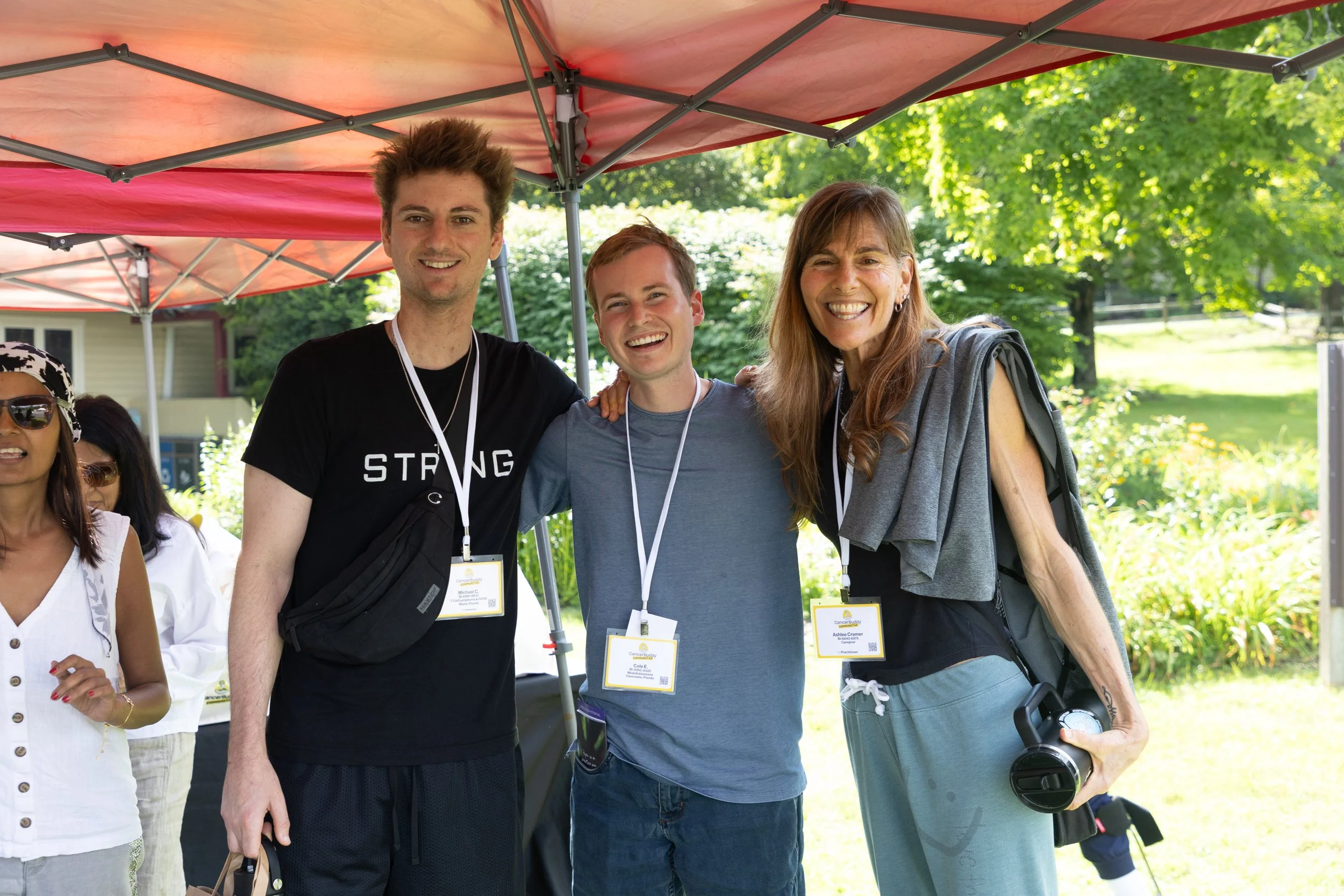
This August, we held our inaugural CancerBuddy Communitas retreat at the Omega Institute in New York. We brought together approximately 75 cancer patients and survivors for a weekend focused on community, connection, education, and healing.
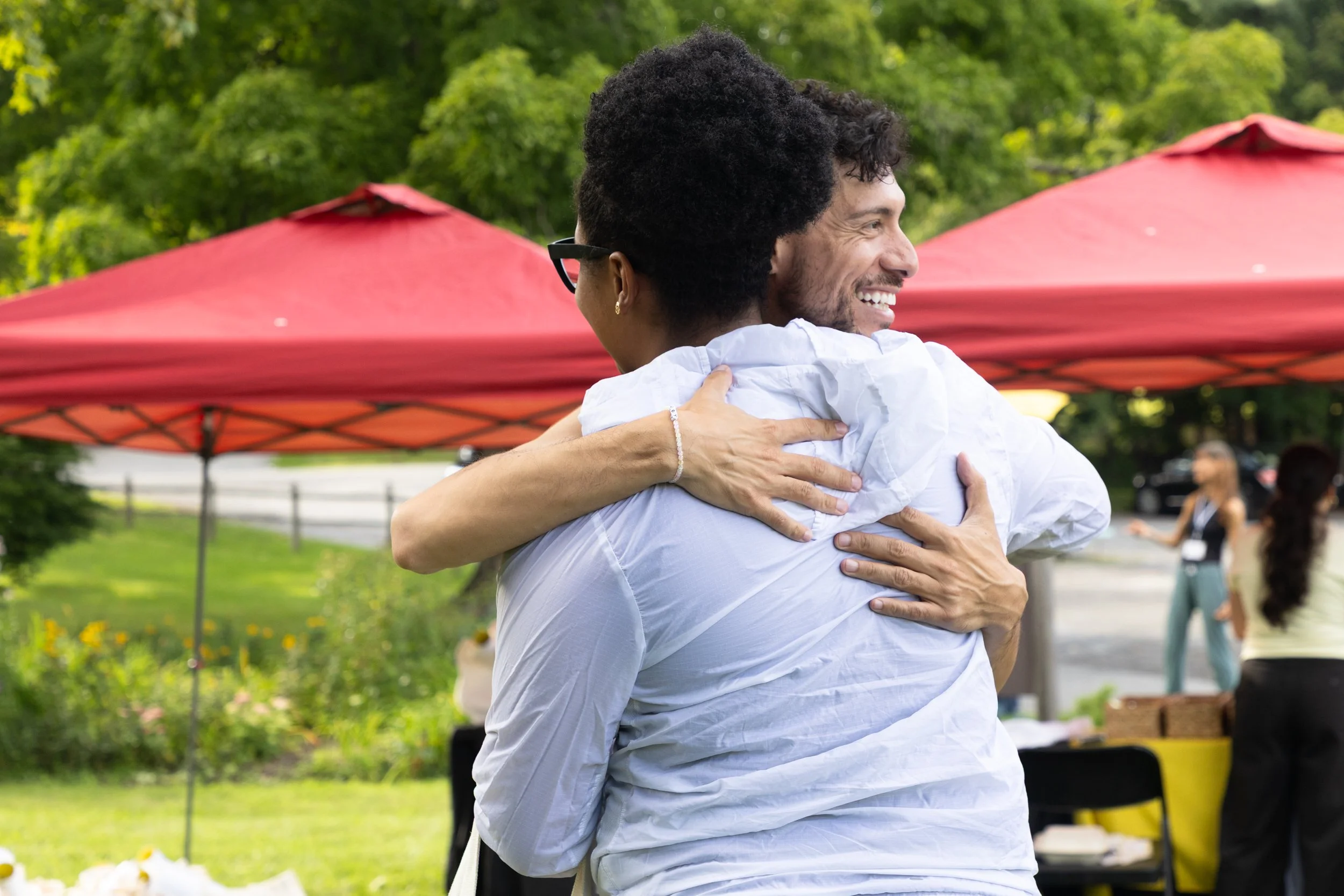
One of the most extraordinary experiences was watching three young women—Emilee from California, Amaya from Florida, and Hayley from New Mexico—meet in person after connecting through CancerBuddy.
All three had experienced acute myeloid leukemia, stem cell transplants, and graft-versus-host disease. They had developed a friendship through the app, supporting one another through experiences that very few people could fully understand.
Watching them embrace, laugh, and share their experiences in person was incredibly moving.
Throughout the retreat, one of the most powerful themes was how liberating it felt for participants to be surrounded by people who understood their experiences without needing an explanation.
One participant described carrying a backpack full of bricks for 22 years and feeling that, in less than 72 hours, some of that emotional weight had finally been lifted.
For me, these moments represent exactly why I created CancerBuddy. Medical treatment is essential, but healing and emotional well-being can also come through friendship, understanding, and community.
What are the projects you are currently working on?
My primary focus is continuing to grow CancerBuddy so that more cancer patients, survivors, and caregivers can find meaningful connections and support, regardless of where they live or where they receive treatment.
We're expanding our support groups, educational programming, and partnerships with hospitals and cancer centres to make CancerBuddy more accessible to patients throughout their cancer experience.
We're also exploring opportunities to introduce CancerBuddy through employers, recognising that cancer affects not only patients but also caregivers, families, and colleagues. We want people to know that this free resource is available to them when they need it.
Another initiative I'm especially excited about is expanding our CancerBuddy Communitas retreats to communities across the country. Our first retreat demonstrated how powerful it can be to bring people facing cancer together in person to share their experiences, build friendships, and support one another.
We want to create more opportunities for patients and survivors to experience that sense of belonging, connection, healing, and camaraderie. We're actively seeking funding partners to help us expand these retreats and make them accessible to more people, particularly those who might not otherwise have the opportunity to attend.
In addition to building community, these retreats introduce participants to practices such as nutrition, movement, mindfulness, and stress reduction that can support their emotional and physical well-being throughout treatment and survivorship.
At the Bone Marrow & Cancer Foundation, we're also continuing to expand our housing assistance, counselling, patient navigation, medication co-pay assistance, and other programs addressing the challenges patients and families face beyond medical treatment.
Housing is one of the greatest barriers for patients who need to travel to cancer centres for specialised care. Through our partnership with Airbnb.org, we're able to provide free temporary housing for patients and families who must travel away from home for treatment, consultations, or clinical trials.
This support can make an extraordinary difference. It allows patients to access leading cancer centres, participate in clinical trials, and remain close to their medical teams throughout treatment without the additional financial burden of paying for lodging.
For many patients, having a safe, comfortable place to stay near their treatment centre can make the difference between being able to access care and having to forgo it.
We're continuing to strengthen and expand this program because where someone lives or what they can afford should never determine their ability to access the best possible cancer care.
Ultimately, all of these initiatives share the same purpose: making sure that people facing cancer have access to the practical, emotional, and community support they need.
Is the #WomenInTech movement important to you, and if yes, why?
Absolutely. I think it's incredibly important that women recognise they can bring their experience, knowledge, and perspective into technology, even if they haven't spent their careers working in the industry.
I certainly never imagined that I would be developing a technology platform at this stage of my life.
My background was in oncology social work, not technology. But I understood the problem I wanted to solve because I had spent decades listening to patients and families and witnessing their experiences firsthand.
That understanding was probably the most important thing I brought to developing CancerBuddy.
I also think women bring valuable perspectives to healthcare innovation, particularly because so many women are navigating cancer themselves or serving as caregivers for family members and loved ones.
I'm grateful to women like Whitney Wolfe Herd, whose work inspired my thinking about how technology could bring people together.
I hope my experience encourages other women to pursue ideas they believe in, regardless of their age, professional background, or whether they've ever worked in technology before.
Sometimes the most meaningful innovations come from people who have spent their lives working in an entirely different field.
What will be the key trends in your industry in the next five years, and where do you see them heading?
I believe we're going to see a much greater recognition of the importance of emotional well-being, social connection, and community as part of comprehensive cancer care.
Research continues to demonstrate the relationship between loneliness, social isolation, and health outcomes. Yet so much of cancer care remains focused on medical treatment, with less attention given to the emotional and social challenges patients face.
I hope that changes significantly over the next five years.
Technology gives us an extraordinary opportunity to connect people across geographic boundaries. A patient in a rural community who may never meet someone with the same diagnosis can now find another person who understands exactly what they're experiencing.
I also believe hospitals, cancer centres, and employers will increasingly recognise the importance of providing access to peer support and emotional resources.
We're already seeing greater interest in whole-person approaches to cancer care, including nutrition, movement, mindfulness, stress reduction, and survivorship support.
What excites me most is the opportunity to combine technology with meaningful human connection.
Technology should never replace personal relationships. It should make those relationships possible.
My hope is that one day, when someone receives a cancer diagnosis, downloading CancerBuddy will feel as natural as calling their doctor.
What is the most important piece of advice you could give to anyone who wants to start a career in this industry?
My advice would be to listen carefully to the people you're trying to help and let their experiences guide your work.
CancerBuddy wasn't created because I wanted to build a technology company. It came from decades of listening to cancer patients and families and recognising an enormous unmet need.
I also believe it's important not to let your age or professional background limit what you think you can accomplish.
I founded the Bone Marrow & Cancer Foundation in 1992, and more than three decades later, I'm still developing new programs and finding new ways to support people facing cancer.
I never imagined that a dating app would inspire one of the most meaningful projects of my career.
You have to remain curious, open to new ideas, and willing to take risks when you believe something can make a difference.
I often say that retirement isn't a word I use very often. I love what I do, and I wish I had another 50 years to continue building programs and communities where no one has to face cancer alone.
Who are three inspirational women in your respective industry you admire?
Whitney Wolfe Herd — I admire Whitney for her entrepreneurial vision and for reimagining how technology can connect people. Bumble was the inspiration behind CancerBuddy, and her encouragement helped reinforce my belief that this idea was worth pursuing.
Elizabeth Lesser — Elizabeth's work around healing, personal transformation, and the importance of human connection has been deeply meaningful. She was part of our inaugural CancerBuddy Communitas retreat, and her ability to bring people together through honest conversations and shared experiences reflects so much of what we're trying to create.
Hollye Jacobs — As a nurse, cancer survivor, author, and patient advocate, Hollye brings a compassionate understanding of what it means to live with cancer. I admire her commitment to helping patients feel informed, supported, and understood, and her belief in the importance of community and emotional well-being throughout the cancer experience.

Find out more about CancerBuddy on their website.
Download CancerBuddy on the App Store or Google Play.