
WoW Woman in FemTech - Shilpi Gupta, founder and CEO of Qyn Labs

Shilpi Gupta is the founder and CEO of Qyn Labs, which is developing technology for frequent hormone measurement from blood samples. Her career spans consumer robotics at iRobot, large-scale systems at Amazon Robotics and a head of product role at Pison. At Pison, she worked on electromyography and brain-computer interfaces, including applications for monitoring neuromuscular disease.
Her own experience seeking answers about hormone health led her to start Qyn. She now leads product development and operations, working with endocrinologists, OB-GYNs and menopause specialists as the company prepares for its first pilot, planned for early 2027.
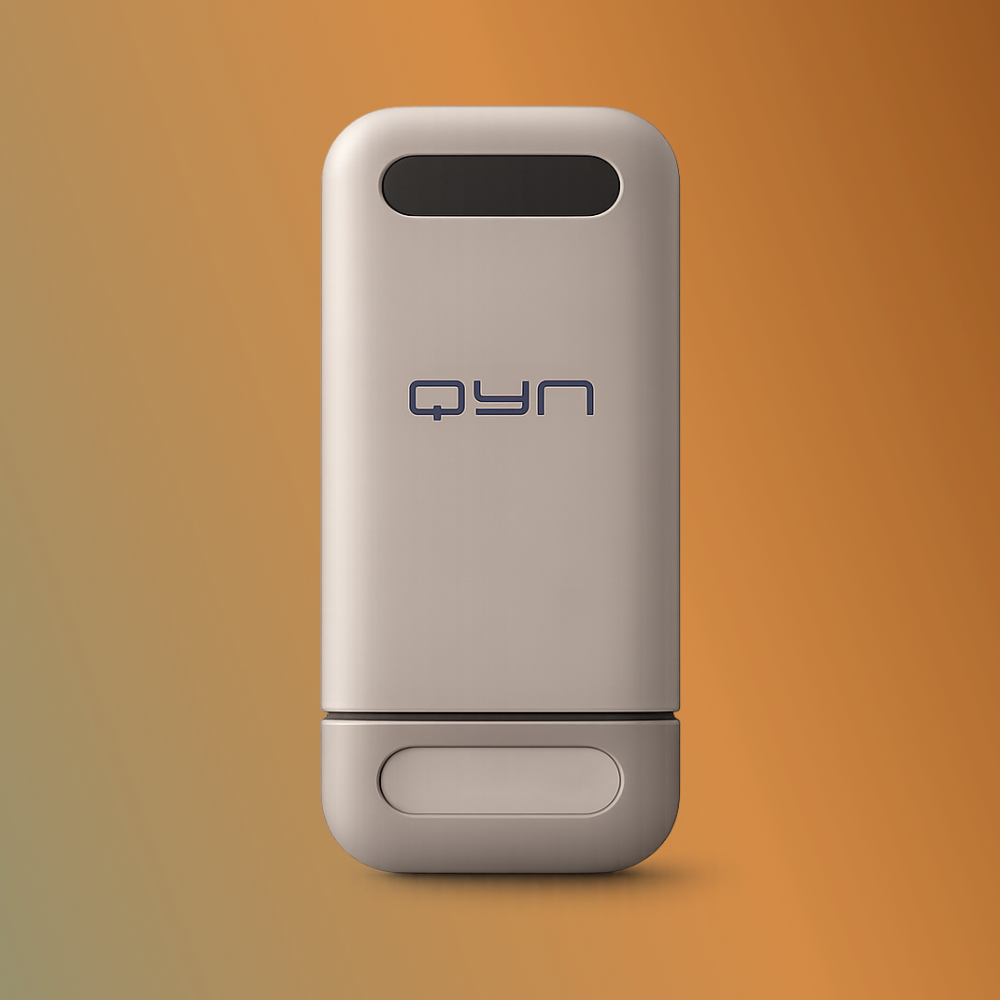
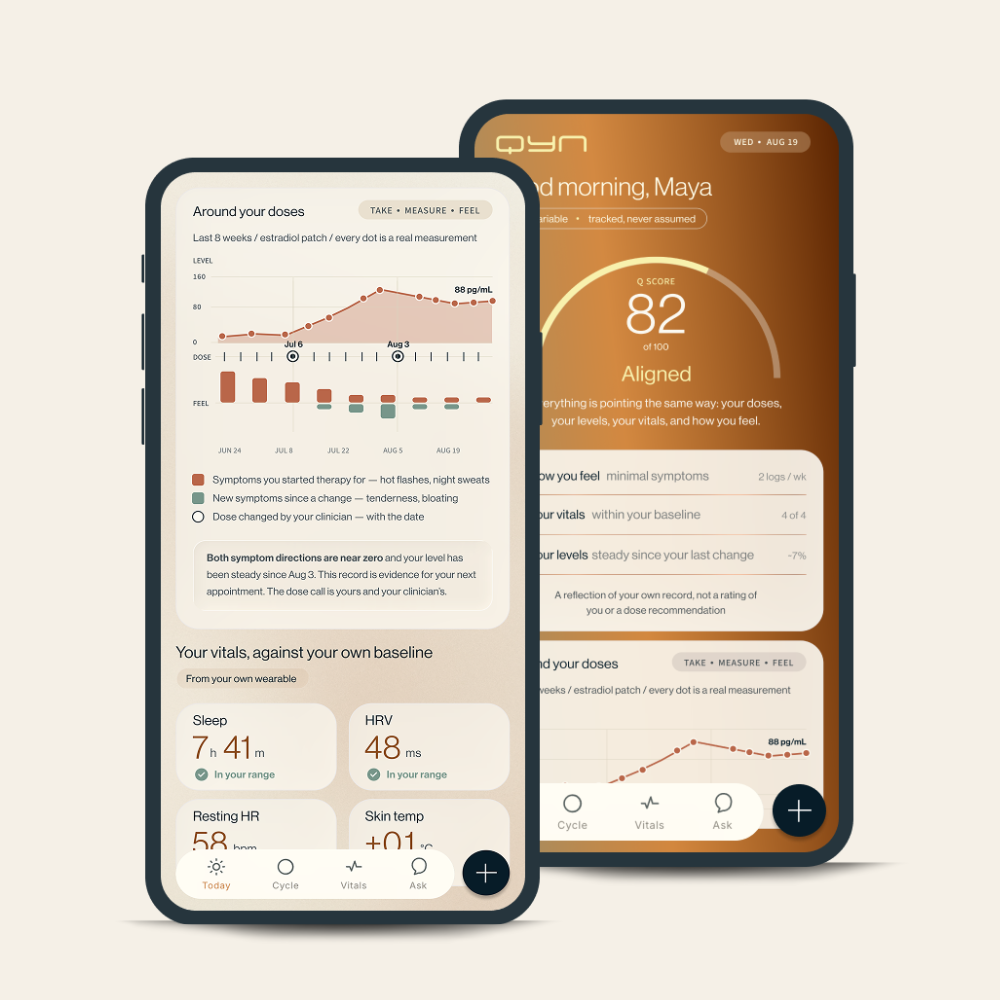
Qyn Labs is developing technology to measure hormones frequently from blood samples and track changes over time. The company aims to give people and their clinicians a clearer picture of hormone health, with more context than an isolated result can provide.
Tell us a bit about your background and your projects so far.
I'm the founder of Qyn Labs. We're developing technology to measure hormones frequently from blood samples and track how levels change over time. We want to give women and their clinicians a clearer picture of their hormone health.
I came to this work through robotics. At iRobot, I helped build a new category of consumer products. At Amazon Robotics, I designed systems that had to work at scale. In 2020, I joined Pison as head of product, working on electromyography, which measures muscle activity, and brain-computer interfaces, including work to monitor the progression of diseases such as ALS. Those roles taught me to ask two questions before trusting a system: what are we measuring, and how do we know the measurement is accurate? I bring those same questions to Qyn.
How did you get into this industry? Has it been an easy industry to get into, or have you had many challenges?
I wanted to return to a startup and work on a health problem that mattered to me. Pison gave me that opportunity. Working on ways to measure ALS progression was the most gratifying work I'd done.
While I was there, I struggled with my own hormone health. I was told it was common. Common wasn't an answer to what I was experiencing. With trusted medical guidance, I sought more data. Within 90 days, I had my hormones in check. That experience led me to start Qyn. I wanted other women to have better information when they faced similar questions.
My engineering background helped me enter the field. Building reliable measurements that women and clinicians can use is the harder work, and it's what we're focused on now.
How long did it take you to be where you are now? What was the biggest obstacle? What are the challenges of working in your industry?
My path here runs through robotics, health technology and several decisions to start again. I grew up in a military family in India, moving from base to base. Later, I moved to the US to study at Babson because I wanted to learn how to build a business.
Leaving an established career to start Qyn was a bigger decision. I had to decide whether I was ready, and my family and I had to decide whether we were willing to back the venture together. We chose to do it.
In hormone health, the technical challenge is getting reliable measurements often enough to understand change. Then we have to show where that information is useful in care. That takes careful testing and close work with clinicians.
What are your biggest achievements to date?
I'm proud of helping build consumer robotics at iRobot and seeing those products become part of everyday life. At Amazon Robotics, I learned how to design systems that remain dependable at scale.
The work at Pison also stays with me because of its relevance to people living with neuromuscular disease. Starting Qyn has given me the chance to apply that experience to a problem I've lived with myself.
What projects are you currently working on?
I'm focused on bringing Qyn to market. We're preparing for our first pilot, planned for early 2027, bringing clinicians on board and building the team. Our immediate job is to test the measurements carefully and understand how people would use the information.
I'd welcome conversations with clinicians working in hormone health, people developing related technologies and investors interested in the field.
Is the #WomenInTech movement important to you? If so, why?
Yes. I've been a woman in tech throughout my career, so it has always felt like part of my everyday life. I'm grateful that communities like Women of Wearables give people a place to meet and learn from one another.
I still wonder why we say 'women in tech' when we rarely say 'men in tech.' I'd like a career in technology to be unremarkable for a woman. Until then, I'm glad this community exists.
What will be the key trends in your industry in the next five years, and where do you see them heading?
I expect more people to have access to health measurements they can follow over time and bring into conversations with their clinicians. In hormone health, I'd like that information to help women ask more specific questions about what they are experiencing.
I anticipate AI playing a larger role in interpreting health data. Its usefulness will depend on the quality of the measurements and how carefully the tools are tested for the people using them.
I also hope women's health becomes a routine part of research, product development and clinical care, with funding to match. We should be designing for women's needs from the beginning.
What is the most important piece of advice you could give to anyone starting a career in this industry?
Spend time with the people who will use what you build. Ask what they need to understand, what gets in their way and what would make them trust a result.
In health technology, accuracy and usability have to work together. People need to understand what a measurement can tell them and where its limits are. Their experience should shape the product as much as the technical specifications do.
My advice is to learn both sides of the job: the discipline needed to validate a medical technology and the attention to daily use that makes a consumer product worth returning to.
Who are three inspirational women in your respective industry you admire?
Joanna Strober co-founder of Midi Health. I admire how she took her own experience of menopause seriously and built a company to address gaps in care.
Rana el Kaliouby, co-founder of Affectiva, for helping build the field of emotion AI.
Serena Williams, for her work as an investor and her commitment to backing founders and ideas that have been overlooked.
Find out more about Qyn Labs on their website.
Follow Qyn Labs on LinkedIn and Instagram.