
WoW Woman in Women's Health - Izzy Huzzey, Co-founder of Intara
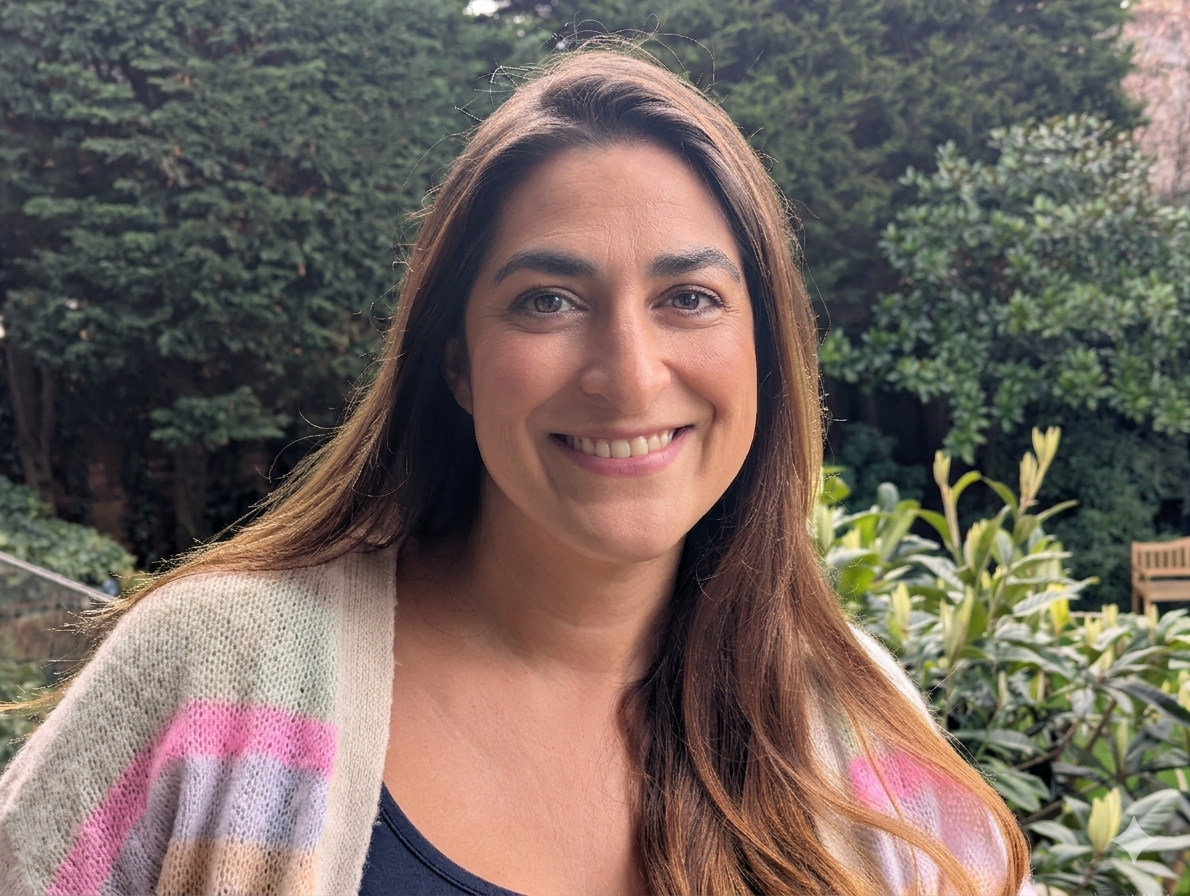
Izzy Huzzey is the co-founder of Intara, an online support platform for women following pregnancy loss or a traumatic birth. She has spent almost 20 years in healthcare marketing and communications, working with global pharmaceutical companies and leading international advertising agencies. She holds an MSc in Global Health and Development from UCL and a BSc in Immunology from the University of Edinburgh.
Izzy co-founded Intara with Lauren Greenwood, drawing on her own lived experience and her career in translating complex health information into something meaningful for people. She leads Intara’s strategy, communications, partnerships and platform operations, focusing on building relationships with charities and healthcare providers so that more women can access support through organisations they already trust. She is based in the UK and is a mother of three daughters.
Intara’s Grounding programmes combine Pilates-based movement, psychologist-led emotional support tools and expert advice from doctors, midwives and allied professionals. Designed for women following pregnancy loss or a traumatic birth, the programmes help women reconnect with their bodies and find strength for what comes next. Built around lived experience and expert input, Intara offers flexible access to physical and emotional support, wherever women are in their lives, helping them feel less alone.
Tell us a bit about your background and your projects so far.
My background is in healthcare and public health communications. I was the child who loved the adverts, and I always dreamt of a career as a real-life “Mad Woman”. After graduating with a degree in Immunology, I realised I could combine my passion for science with my love of advertising. I spent 10 years working for some of the biggest advertising networks, including Saatchi & Saatchi, McCann and Publicis, in London and China.
My work in China inspired a love of global health, which led me to pursue an MSc in Global Health and Development at UCL. My final project focused on pandemic vaccines, a timely choice given that the pandemic began just weeks later. This led to a move to AstraZeneca’s global communications team. Since then, I’ve worked with biotechs and pharmaceutical companies, shaping narratives, launching brands and building C-suite profiles through my freelance work.
While I love my work, I had always wanted to apply my knowledge to something more personal. That became Intara, which I co-founded with Lauren Greenwood after we had both experienced multiple pregnancy losses. We wanted to make sure that no woman had to work out how to heal alone, as we did.
How did you get into this industry? Has it been an easy industry to get into, or have you faced challenges?
My career hasn’t followed a classic route. I’ve moved from agencies to in-house pharma, to freelance consulting for biotechs, and now to founding a business in women’s health. It isn’t a trajectory I planned, but I’ve always followed opportunities, interests and interesting people, and I’m really pleased with where that has taken me.
What has struck me about women’s health is how friendly and supportive the industry is. When you’re dealing with such delicate issues, everything depends on trust and relationships, both of which take time to build. But the work is so exciting and valuable that I’m keen to become even more involved in this community.
How long did it take you to be where you are now? What was the biggest obstacle? What are the challenges of being in your industry?
We first came up with the idea for Intara around a year ago. We were discussing the gaps in the care we had received and imagining what it would have been like to receive the care we deserved. That led to a moment of realisation: if we wanted anything to change, we had to do it ourselves.
From that point, we worked almost non-stop to build, develop and create. It took us 10 months to reach our initial launch in July, and we’re excited to be seeing our first members sign up.
We’ve bootstrapped Intara and built everything ourselves. We’ve had to learn on the job and make sure everything, from the legal and financial aspects to the technical side of the platform, was right. It’s been a huge learning curve.
The biggest challenge for me is how quickly we can move with just the two of us, no team and no big budget. Intara depends on the work we put into it, and if we take a day off, everything stops.
What are your biggest achievements to date?
Just getting to launch has been huge for us, and we were so excited when we first went live. But every time we receive positive feedback from a healthcare professional or a woman signs up, we consider it a huge achievement. We know that every woman who comes to us has been through so much, and really, we wish she didn’t need us. But we’re proud to be able to offer support to help her through it.
What projects are you currently working on?
We’re working to build partnerships with key charities, clinics and experts, both in the UK and abroad. There are some really exciting opportunities in the works that will help us expand our reach and our offering.
We’re also planning what comes next for Intara. When we first conceived the idea, we imagined programmes that would support women throughout their fertility journeys, from finding support after a loss to trying again and navigating a subsequent pregnancy. Our Grounding programmes are just the start, and we hope to launch new offerings from next year.
Is the #WomenInTech movement important to you, and if yes, why?
Absolutely. I never thought I would end up being a woman in tech. I didn’t think it was for me, or that I could legitimately be here. But I think the movement has not only opened up opportunities but also given women permission to enter the space. It has brought women together, and it’s such a wonderfully supportive community.
In the future, I’d love to give back to the movement, perhaps by focusing on how we can encourage girls to build their skills and have the confidence to give it a go.
What will be the key trends in your industry in the next five years?
The women’s health space feels as though it’s on the edge of a huge boom. Women are increasingly recognising the importance of their health, hormones and data, and technology is creating opportunities to understand and optimise their health in ways that weren’t previously possible. I think we’ll see more ways to capture and make use of personal health data, better collaboration with GPs and more personalised medicine.
I really hope this extends to the fertility space, too. There are still so many gaps in knowledge and care. The fact that women in the UK can still face delays in accessing investigations and support after recurrent miscarriage is unacceptable, and I hope technology will help address these gaps in care.
What is the most important piece of advice you could give to anyone who wants to start a career in this industry?
Get started. Having something live is more valuable than waiting for the timing or the product to be perfect. Test an idea, learn from the response and improve as you go. You don’t need to build the biggest version on day one. Focus on one specific problem, and don’t underestimate what you already bring. You don’t need to be an expert in everything, so find people with complementary skills where you need them, and keep learning.
Who are three inspirational women in your industry you admire?
I’ve come across so many inspiring people since starting to work in women’s health. The ones who inspire me most are those who have identified a gap in care and built something practical to address it. These gaps have existed for years, often because women’s experiences weren’t talked about enough, and it takes courage and a lot of hard work to be the one who changes that.
Dr Jen Gunter is changing the way we talk about women’s bodies. She tackles subjects that have long been shrouded in myth and embarrassment with honesty and scientific evidence. Her work helps women become better informed, and I think that plain speaking is what women’s health has needed for a long time.
Valentina Milanova, founder of Daye, has challenged an entire category, rethinking period products to better meet women’s needs and improve sustainability. I admire both her ambition and the way her work shows what’s possible when you start with what women need, rather than accepting how things have always been done.
Finally, I’m inspired by the women who have built solutions out of their own painful experiences. They went through something difficult, found that the support they needed didn’t exist and, instead of accepting that, created it themselves. It takes courage to be open about what you’ve been through, and even more to turn that experience into something that means the next woman doesn’t have to face the same gaps in care. That is what drove Lauren and me to start Intara, and it’s what I admire most about the women building businesses in this space.

Find out more about Intara on their website.
Follow Intara on Instagram.
Connect with Izzy on LinkedIn.