WoW Woman in Women's Health - Holly Carruthers, Global Strategic Partnerships Manager at Women’s Health Horizons (WHH)
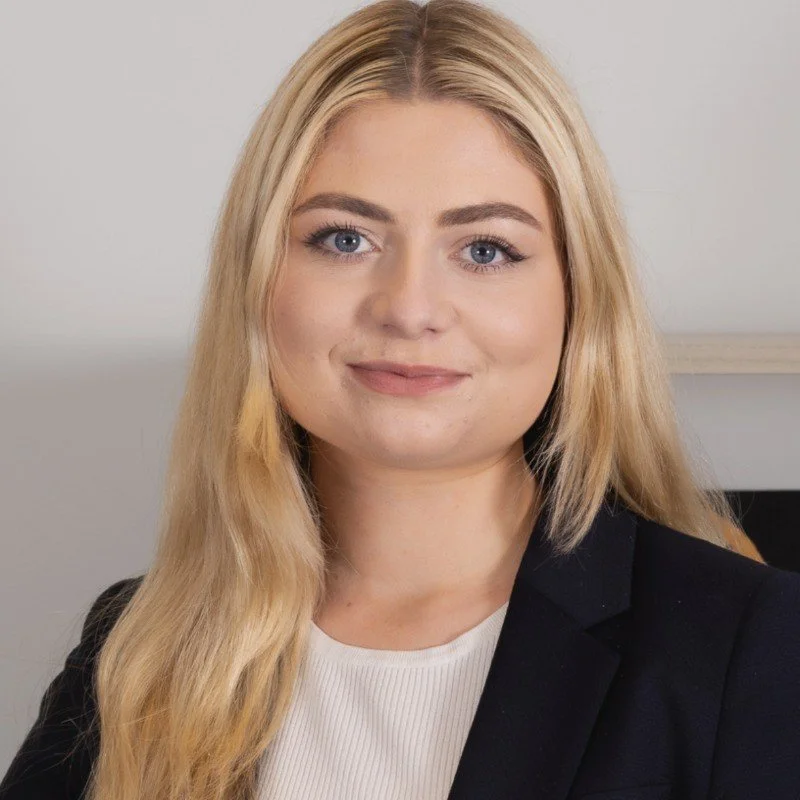
Holly Carruthers is the Global Strategic Partnerships Manager at Women’s Health Horizons (WHH), based in London, England.
She studied Economics at the University of Bath and began her career in asset management, developing strong analytical skills and a relationship-led approach to stakeholder engagement. She pivoted into women’s health to help close the gender health gap and accelerate evidence-based progress in an area that has historically been underfunded and underserved. At WHH, she works with private-sector partners across biotech, pharma, technology, investment, and advocacy to build practical, scalable collaborations that move from talk to action. She has supported WHH’s growth from its earliest stages and contributes to the organisation’s international expansion plan across multiple global markets in 2026.
Women’s Health Horizons (WHH) is a global platform and summit series accelerating meaningful progress in women’s health. WHH convenes a curated, senior audience across life sciences, FemTech, healthcare delivery, payers, providers, investment, policy, and advocacy to move from discussion to execution. Guided by a strategic advisory board of industry “super-connectors,” WHH designs solutions-first panels, workshops, and partner activations that help evidence-based innovations scale. WHH also supports sponsors with curated thought leadership and partnership opportunities tied to measurable impact. In 2026, WHH hosts one-day events in London, New York, Berlin, San Francisco, Montreal, Washington, D.C., and Asia.
Tell us a bit about your background and your projects so far.
I studied Economics at University and started out in asset management, where I learned to think analytically and to invest in building long-term, trusted relationships with stakeholders. Over time, I realised I wanted to use those skills somewhere with more direct human impact. Women’s health stood out immediately. It’s something I’d been personally curious about for years, and it also feels like we’re at a real inflection point.
My interest is personal as well as professional. Growing up, I watched my twin sister navigate ongoing cardiovascular health challenges and frequent hospital visits. Seeing the anxiety and stress that can come with long-term health issues has stayed with me, and it shapes the way I think about women’s health.
When I met Jason, Women’s Health Horizons was still in its early days. I wanted to help build it because I genuinely believe in the vision. He shared what brought him into the space, and it was clear that he was serious about allyship and about doing the work needed to move women’s health forward.
How did you get into this industry? Has it been an easy industry to get into or have you had many challenges?
It was a conscious pivot. The more I learned about the gender health gap, the harder it was to ignore. Not just outcomes, but in what gets researched, funded, and prioritised. I wanted to use my skills to help shift that.
It hasn’t been a frictionless transition. Women’s health sits at the intersection of healthcare, policy, research, investment and innovation, so there’s a lot to learn quickly. The biggest challenge was building credibility fast. What has helped is staying genuinely curious, asking questions and listening closely to expert advisors and advocates in the space.
How long did it take you to be where you are now? What was the biggest obstacle? What are the challenges of being in the industry you are in?
The biggest obstacle was making the leap to the unknown. I was set on a traditional path in finance and moved into a small start-up in women’s health, an objectively underfunded area that needs attention and work.
The wider industry challenge is that women’s health is finally getting attention, but attention doesn’t automatically translate into funding, resources, or a change in how women receive care.
There’s also a real risk of repeating the same conversations without truly finding ways to advance women’s health. To move forward, we need cross-sector collaboration that’s evidence-based, properly resourced, and designed for adoption in real-world systems.
What are your biggest achievements to date?
I’m proud of helping build Women’s Health Horizons from the very beginning, when it was essentially Jason and me doing 10–15 calls a day to turn an idea into something real.
I’m also proud of the role I played in shaping WHH’s growth trajectory: helping develop our 2026 global expansion plan while keeping the focus on action and outcomes (not just another conference circuit) and of course, Boston was a huge moment bringing together influential US women’s health stakeholders, speakers, sponsors, and attendees in a way that felt genuinely solutions-first.
What are the projects you are currently working on?
Right now, my focus is on strategic partnerships, building relationships that power WHH’s 2026 summit series and helping partners show up in a way that’s meaningful and impact-driven.
We’re working across the 2026 calendar:
London (March 10)
New York (March 18)
Berlin (May 6)
San Francisco (May 21)
Montreal (September 16)
Washington, D.C. (October 7)
Asia (November 2026)
Alongside the events, I’m also working with partners on our webinar and podcast series to move conversations forward to global audiences in a more accessible way.
Is the #WomenInTech movement important to you and if yes, why?
Yes, it’s not just a feel-good hashtag; it’s a practical one. If the people designing the tech don’t reflect the people using it, you end up with solutions that are possibly inventive, but not always
useful. More women in the room means better questions, better data, better products and fewer “we didn’t think of that” moments.
What will be the key trends in your industry in the next five years and where do you see them heading?
I think we’ll see AI become more embedded in healthcare workflows, and the industry will have to get serious about bias, because biased data becomes biased care. I also expect growing attention on climate and environmental factors as women’s health issues, and more scrutiny on information integrity, including how medically accurate women’s health content is moderated online.
What is the most important piece of advice you could give to anyone who wants to start a career in this industry?
Invest time and energy in relationships. Women’s health is collaborative by nature and progress often happens because you’ve earned trust and you can connect the right people at the right moment.
Who are three inspirational women in your respective industry you admire?
Three women I admire are Dr. Lara Zibners, Lauren Ruotolo, and Shelley Amster. They’re all exceptional at what they do, Lara turning lived experience into real clinical innovation, Lauren shaping narratives that shift culture and drive inclusion, and Shelley bringing decades of life sciences leadership and mentorship that helps ideas actually scale. But honestly, what stands out most is how generous they are with their time, experience and guidance. They champion WHH in rooms we're not in; they are incredibly smart and no-nonsense, and get things done. These women are incredible, but the beauty of this industry is that I could list 50 women I look up to, people doing extraordinary work to advance women’s health.
Find out more about Women’s Health Horizons (WHH) on their website.
Connect with Holly on LinkedIn.
If you want to share your story with us and be featured on our WoW Women blog, get in touch.