
WoW Woman in Health Tech - Isabella Bertold, health innovation investor at Relentless Venture Fund
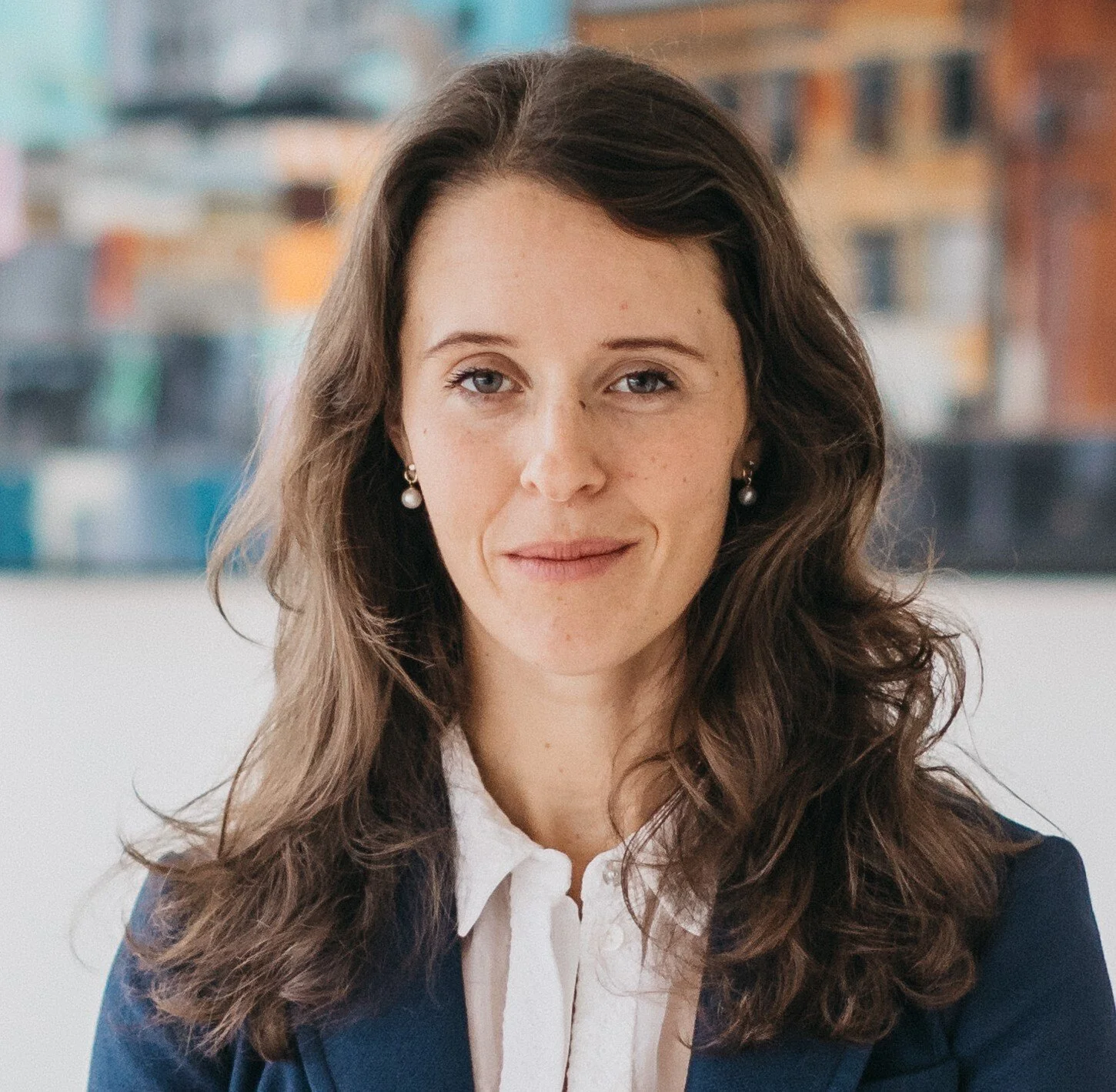
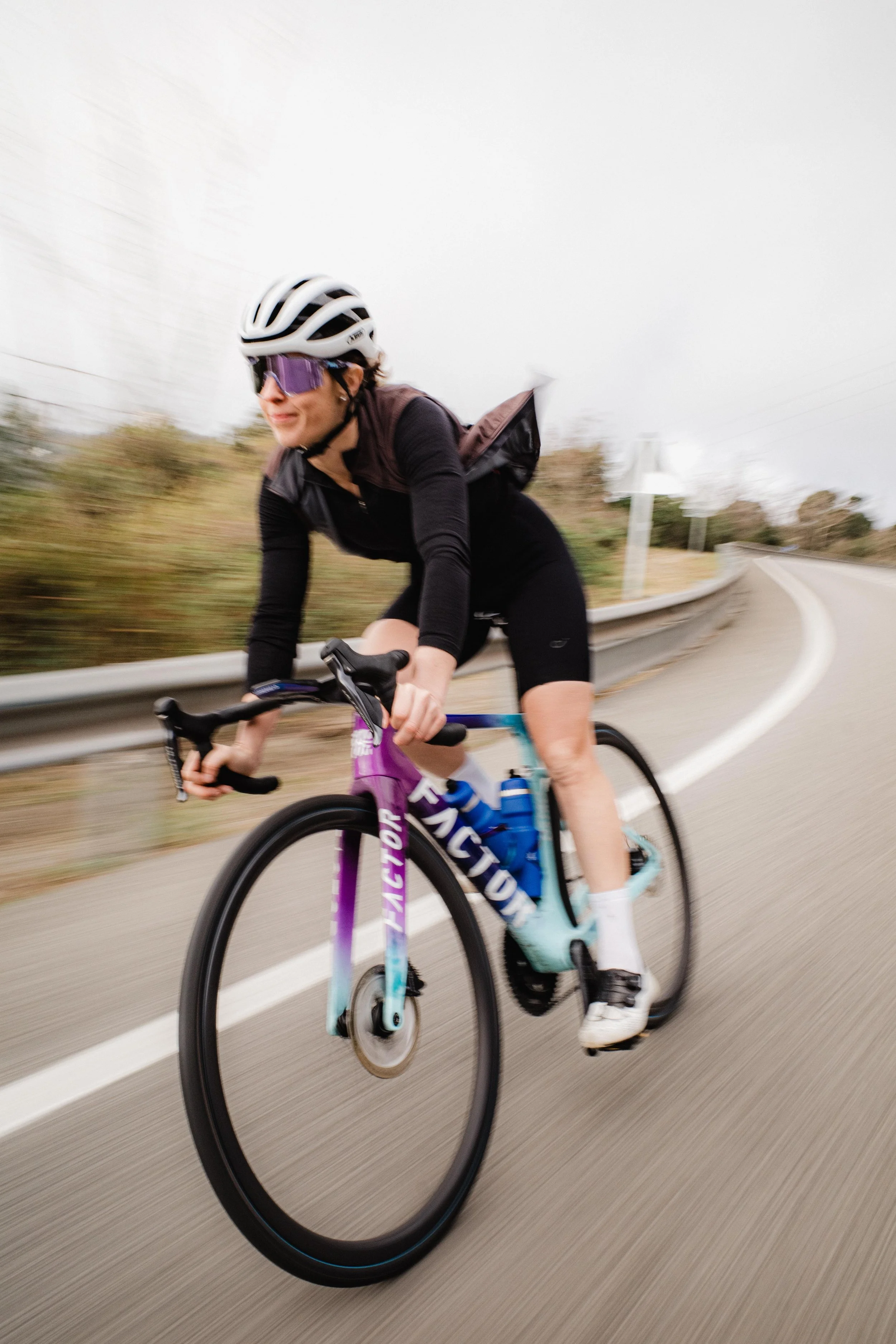
Isabella Bertold is a health innovation investor with Relentless Venture Fund who leverages her elite athletic background to support early-stage health technology companies. She invests in data-driven platforms focused on chronic condition management, precision monitoring, brain health, and accessible care delivery. Isabella's performance-driven approach stems from her distinguished sailing career as Canada's most decorated Laser Radial sailor, achieving a career-high world ranking of 2nd and two World Cup medals. As strategist for Canada's SailGP team, she led their historic 2023 Christchurch victory and captained Canada's first-ever women's America's Cup team in 2024. Currently competing as a UCI Professional Cyclist, you can follow Isabella’s adventures and perspectives on her personal adventures on Substack, The Coffee Shop Download.
Relentless has an unwavering commitment to invest in the commercialization of disruptive technology, products, and services that optimize access to care and facilitate a robust continuum of care. We invest in leading-edge clinical research and technologies that manage health risk factors and treat chronic conditions. As technology and mission-based investors, we are committed to the development of technologies, products and services that both enhance and promote an individual’s ability to stay optimally healthy and active over an entire lifetime.
Tell us a bit about your background and your projects so far.
Before healthcare and venture, my world was sports.
I qualified for the Canadian Senior National Team in Olympic sailing when I was 13, which, looking back, still feels a little surreal — and I’m still the youngest person to have done that. From that point on, life became a constant balance of training, competing internationally, and school. And because Olympic sports aren’t exactly well-funded, I also had to learn how to fund my own career. That meant pitching sponsors, building partnerships, and essentially becoming an entrepreneur as a teenager.
High-performance sport is really just applied human optimization. You’re always asking: how do we train smarter, recover faster, make better decisions with data? That mindset stuck with me.
After stepping away from sailing in 2019, I moved into professional road cycling, which pushed that human performance lens even further. High-performance endurance sport is very much about constantly experimenting, testing new tools, and looking for marginal gains. It’s innovation in real time.
During my final year of undergrad, it clicked that this perspective translated surprisingly well to healthcare. The same skills: goal setting, risk management, team dynamics, and spotting opportunities — are exactly what you need in early-stage innovation.
I hadn’t planned on venture capital specifically, but I joined a fund in 2016 focused on preventative chronic disease management, which at the time felt pretty ahead of the curve. That became my entry point into healthcare investing, and it’s still the work I’m most excited about today: backing technologies that help people stay healthier, not just treat illness after the fact.
How did you get into this industry? Has it been an easy industry to get into or have you had many challenges?
Honestly, it started with one conversation. I met someone who introduced me to Brenda Irwin, the Managing Partner at Relentless Venture Fund, and her reaction was basically, “You’re an athlete, I know what that mindset brings to a team.” That door opened quickly, and suddenly I was working on my first deal as an analyst, deep-diving into 3D bioprinting. So, in some ways, the entry felt serendipitous.
But building credibility in venture, especially coming from a non-traditional background, hasn’t always been easy. You have to prove your value fast, learn a new language, and get comfortable making decisions with incomplete information. What helped most was realizing that my athletic background wasn’t a detour; it was actually an advantage. Sport taught me resilience, pattern recognition, and how to perform under pressure, which turns out to be pretty useful when you’re evaluating startups and making early bets.
So, it wasn’t linear, but it’s been very aligned.
How long did it take you to be where you are now? What was the biggest obstacle? What are the challenges of being in the industry you are in?
It definitely didn’t happen overnight. My career has been pretty non-linear — from sport to business to healthcare innovation, and each phase probably took longer than I expected at the time. But looking back, that progression is actually what shaped how I think and make decisions today.
One constant through all of it has been mentors. At every stage, as an athlete and now in business, having people a few steps ahead of me to ask questions, sanity-check ideas, or share hard-earned lessons has made an enormous difference. I genuinely don’t think I’d be where I am without that support. It’s something I value a lot and try to pay forward.
In terms of obstacles, one of the biggest challenges has been not getting put in a box. As a woman working in health innovation, there’s often an assumption that you should only focus on “female” problems — femtech deals, female founders, women’s health only. And while those areas absolutely matter to me, diversity shouldn’t mean specialization by default. It should mean representation everywhere — across sectors, roles, and decision-making tables.
The broader challenge in this industry is that the gaps are connected. Fewer women founders, less funding to those founders, fewer women investors, it all feeds into itself. So, the work isn’t just about adding one woman to a team. It’s about building diverse boards, leadership teams, and investment groups so better decisions get made across the board.
That’s the kind of ecosystem I’m trying to help create.
Is the #WomenInTech movement important to you and if yes, why?
Yes, very much so. It’s not just something I talk about; it’s something I try to actively support in how I work every day. For me, it really comes down to diversity and outcomes. The gender gap isn’t theoretical, it shows up in very real ways. We still have a huge data gap in women’s health, fewer female founders building healthcare companies, less funding going to those founders, and fewer women on the investing side making capital allocation decisions. And all of those gaps reinforce each other.
If women aren’t in the room designing products, running companies, or writing checks, we end up with solutions that miss half the population.
So, supporting women in tech isn’t just about fairness, it’s about building better technology and better healthcare. More diverse teams ask different questions, spot different problems, and ultimately create products that serve more people. That’s the kind of ecosystem I want to help build.
What will be the key trends in your industry in the next five years and where do you see them heading?
Healthcare innovation is such a broad space that it’s easy to point to the big, obvious themes: AI in drug discovery, breakthroughs in chronic disease, all of that. But the trends I’m most excited about are actually a bit quieter and more human.
The first is patient empowerment. We’re finally seeing healthcare move out of the clinic and into people’s daily lives. Between wearables, at-home diagnostics, and AI integrated into care, individuals have more visibility into their own health than ever before. And it’s not just about tracking; people want to act on that information. They want to prevent problems, optimize performance, and make smarter day-to-day decisions. In some ways, endurance sport is a preview of where healthcare is going: continuous data, real-time feedback, and personalized insights instead of once-a-year checkups.
The second trend is closing the gender data gap. For a long time, women’s health has been under-researched and under-measured. Now, with more data coming from wearables and digital health platforms, we’re finally starting to understand how physiology and treatment responses differ. That’s opening the door to more personalized, equitable care, and it’s something I care a lot about, both personally and professionally.
Those two shifts, putting more control in patients’ hands and building better, more representative data, feel like they’ll shape the next chapter of healthcare more than any single technology.
What is the most important piece of advice you could give to anyone who wants to start a career in this industry?
Don’t wait for permission or perfect confidence. If you see an opportunity and think you have an answer, raise your hand — confidence follows action, not the other way around.
What are your biggest achievements to date?
On the sporting side, reaching a career-high world ranking of #2 and competing at the highest levels of professional sailing will always mean a lot to me, but one of the moments I’m proudest of was leading Canada’s entry into the inaugural Women’s America’s Cup.
Beyond results, I’m also proud of how I’ve used my platform, advocating for plastic reduction in sport and pushing for more visibility and investment in female athletes.
Professionally, achievements feel different because everything is so team-driven. But there are a few full-circle moments that really stick. Aspect Biosystems was the first company I ever did investment diligence on, and recently, they announced an expanded partnership with Novo Nordisk to work toward a curative treatment for Type 1 diabetes. Seeing a company you believed in that early take steps like that is incredibly rewarding; it’s a reminder that this work can have a real, tangible impact on people’s lives.
What are the projects you are currently working on?
“Projects” is actually a great way to describe this phase of life. Alongside my work in healthcare innovation, I’m still racing professionally in road cycling, with my season kicking off in February, so a lot of my time is spent training and competing. Beyond that, I’m increasingly focused on female athlete health, specifically how we fund better research and, just as importantly, translate that research into real-world action. I’m exploring a few early initiatives around that this season and sharing more of the journey on my Substack, The Coffee Shop Download.
Who are three inspirational women in your respective industry you admire?
I feel really lucky to work alongside and learn from so many strong women across both investing and sport. In a lot of ways, it’s the collective energy that inspires me most day to day.
On the investment side, it would be hard not to highlight the influence that Brenda Irwin, Managing Partner of Relentless Venture Fund, has had on my path in venture. She combines real conviction with genuine mentorship, and she’s shown me what thoughtful, values-driven leadership looks like in this industry.
And I’m also inspired daily by the female founders building in women’s health and preventative care — tackling problems that have been overlooked for decades and pushing the entire system forward. It is also always a special moment when I see other athletes enter the start-up ecosystem.
And on the sporting side? Lindsey Vonn. Not just because of what she achieved competitively, but because of how she’s continued to evolve beyond sport. She’s redefining what longevity, ambition, and reinvention can look like. She’s brought a new wave of energy to what it means to set big goals.