WoW Woman in Women's Health - Dr Jill Palko, Board-certified OB/GYN and founder of Dr Jill At Your Cervix
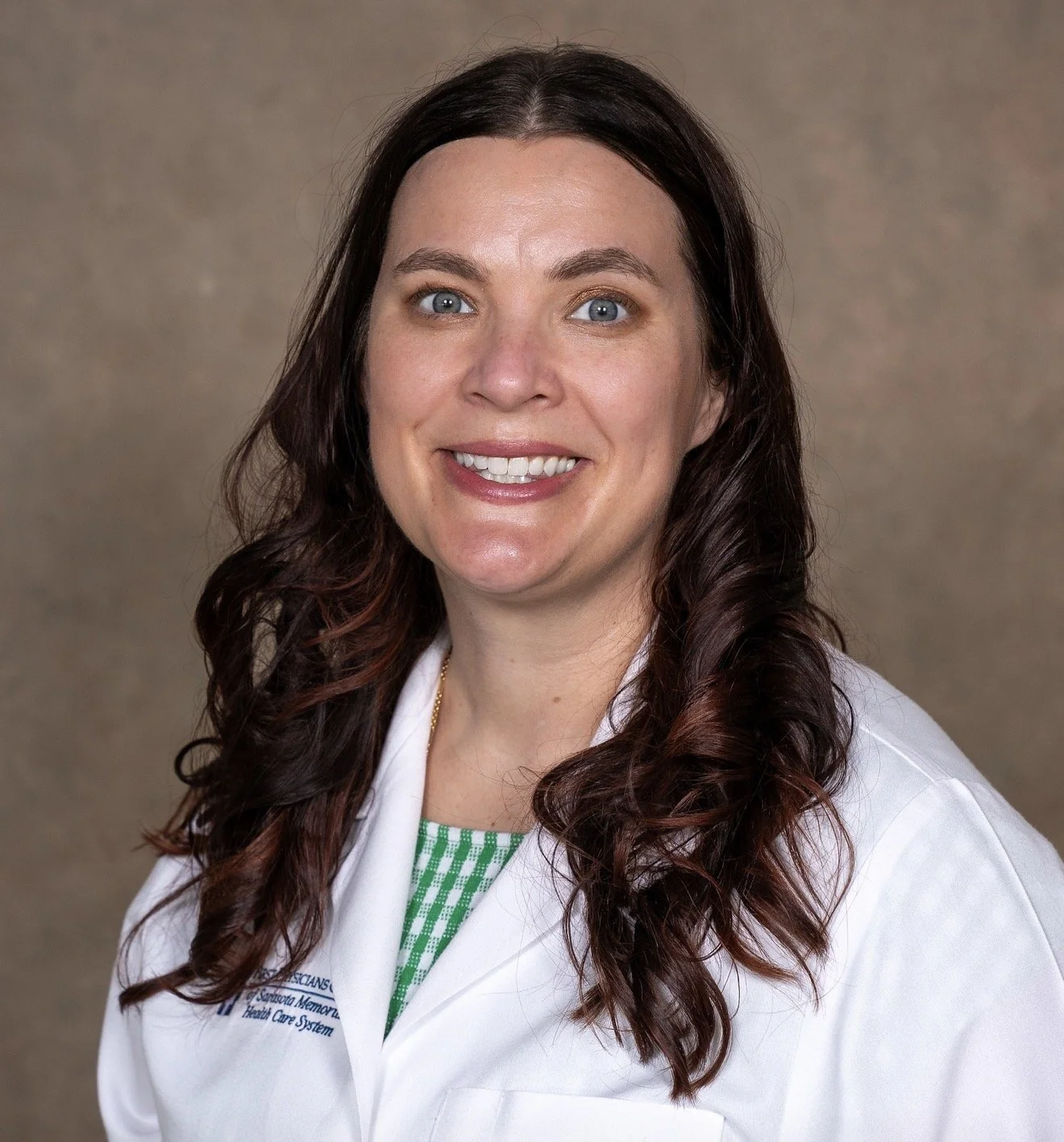
Dr Jill Palko is a board-certified OB/GYN (MD from Rush Medical College in Chicago), with residency at MetroHealth/Case Western and the Cleveland Clinic, finished in 2014. She spent twelve years in clinical practice, from high-risk obstetrics to menopause care, in Chicago and now Southwest Florida, where she works as an OB hospitalist and locum tenens physician. Her second act is at the intersection of women's health and innovation: through her company, Dr Jill At Your Cervix, LLC, she advises femtech startups, audits AI women's health platforms, and reviews products for healthcare brands. She's also a Clinical Analytics Specialist for Elsevier, the resident OB/GYN on the daily fertility podcast The Daily Try, and she writes about women's health on Substack.
Dr Jill At Your Cervix, LLC is a women's health consultancy—the bridge between medical innovation and the women it's meant to serve. Dr. Palko works with femtech startups as a physician advisor, audits the accuracy of AI women's health platforms, and reviews supplements, medications, and devices for healthcare brands. She also creates plain-language, evidence-based health content through medical writing, a Substack newsletter, and a daily fertility podcast segment. Because understanding your own body shouldn't require a medical degree.
Tell us a bit about your background and your projects so far.
I'm a board-certified OB/GYN — MD from Rush Medical College in Chicago, residency at MetroHealth/Case Western and the Cleveland Clinic, finished in 2014. I spent twelve years in clinical practice, from high-risk obstetrics to menopause care, in Chicago and now Southwest Florida, where I work as an OB hospitalist and locum tenens physician. My second act is at the intersection of women's health and innovation: through my company, Dr Jill At Your Cervix, LLC, I advise femtech startups, audit AI women's health platforms, and review products for healthcare brands. I'm also a Clinical Analytics Specialist for Elsevier, the resident OB/GYN on the daily fertility podcast The Daily Try, and I write about women's health on Substack.
How did you get into this industry? Has it been an easy industry to get into, or have you had many challenges?
I got into it sideways, the way most physicians do — I kept seeing the gap between what innovation promised women and what women could actually understand or use. Nobody handed me a roadmap; I built the advisory and consulting work myself, one relationship at a time. The challenge isn't the medicine, it's credibility in rooms that don't usually include practicing clinicians — and being a woman with an opinion in tech and business spaces that are still learning how to listen to one.
How long did it take you to get to where you are now? What was the biggest obstacle? What are the challenges of being in the industry you are in?
Twelve years of clinical practice came first, and the innovation work has been building over the last few years. The biggest obstacle was the pivot itself — going from a well-defined identity (the doctor in the delivery room) to an undefined one (physician advisor, consultant, communicator) with no template to follow. The industry's challenges are real: women's health is still underfunded relative to its impact, the pace of tech outruns the evidence, and misinformation moves faster than good information.
What are your biggest achievements to date?
Twelve years of showing up for women in delivery rooms — there is no feeling like being part of someone's birth story, and I've been lucky enough to do that thousands of times. And being trusted by women in such an important and vulnerable part of their lives.Professionally, building a second career from scratch as a physician advisor and communicator, and being trusted by startups, publishers, and podcast listeners to translate complex medicine into plain language.
What are the projects you are currently working on?
Advising several women's health startups, auditing AI accuracy for women's health platforms (including stress-testing what algorithms tell women at 2 a.m.), clinical analytics work for Elsevier, answering listener questions on The Daily Try, and writing on Substack. Plus my clinical shifts — I still practice, and I think that keeps everything else honest.
Is the #WomenInTech movement important to you, and if yes, why?
Yes. Women's health has been understudied, underfunded, and under-innovated for decades, and the people building solutions should include the people who live the problems. Women in tech — especially health tech — aren't a nice-to-have; they're how we get products that actually fit women's lives.
What will be the key trends in your industry in the next five years, and where do you see them heading?
AI in women's health — enormous potential, but accuracy and bias need physician oversight, which is exactly the work I'm doing now. At-home diagnostics will keep expanding (we're already seeing it in cervical screening and fertility). Menopause care is having its moment and it's overdue. And wearables will get more serious about cycle, pregnancy, and menopause physiology instead of treating women as small men with different hormones.
What is the most important piece of advice you could give to anyone who wants to start a career in this industry?
Talk to patients — or users, or whoever you're building for — before you build anything. The best technology in women's health fails when it's designed around assumptions instead of real lives. And if you're a clinician thinking of stepping into this space: your clinical experience is your moat. Don't undervalue it.
Who are three inspirational women in your respective industry you admire
This might sound cheesy, but my honest answer is: all of them. Every woman with the courage to put herself out there and build something new in this industry has my admiration. Narrowing it to three just doesn't feel right.
Find out more about Dr Jill At Your Cervix on their website.
Connect with Dr Jill Palko on LinkedIn.