WoW Woman in Mental Health - Laura Earnshaw, founder and CEO of myHappymind
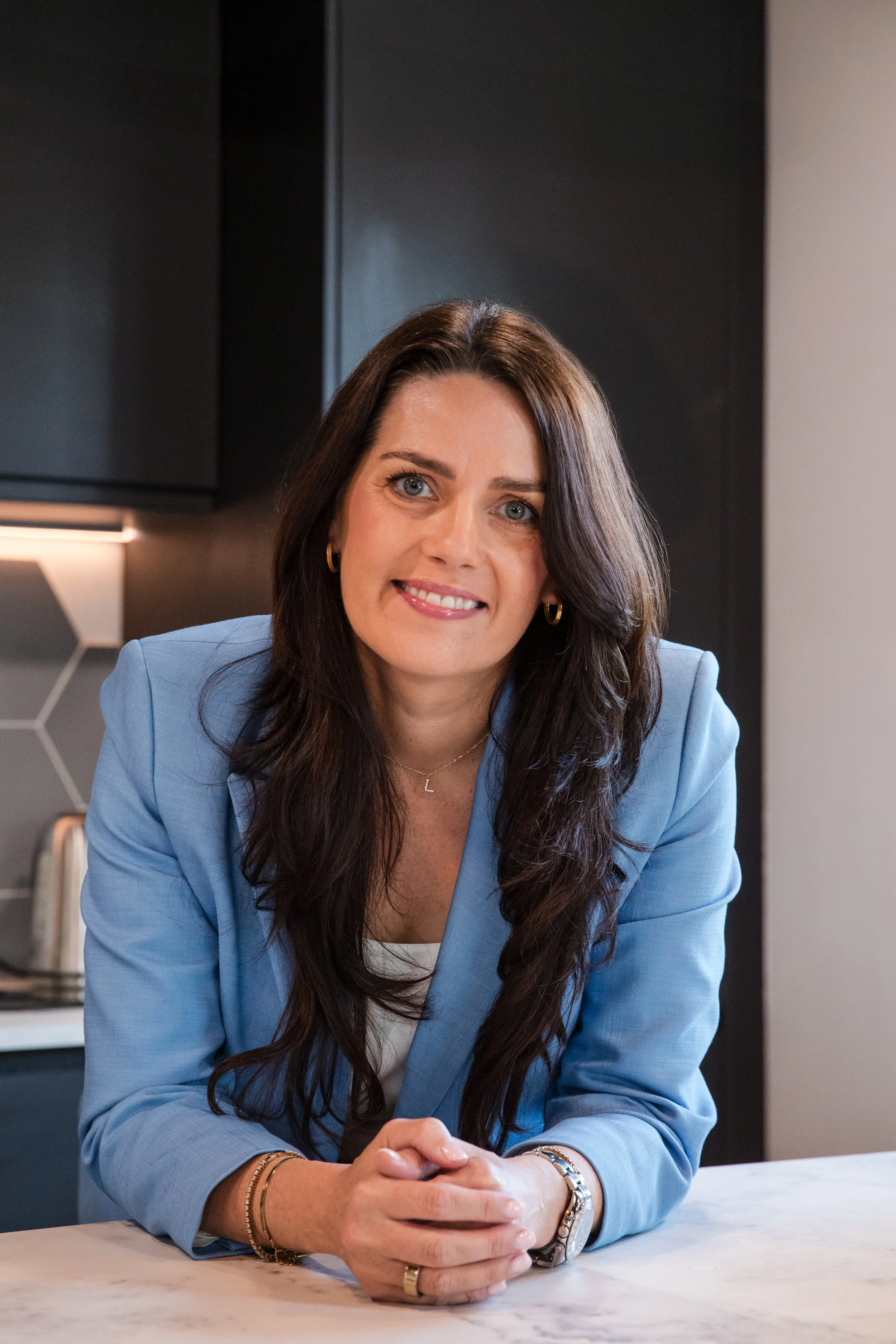
Laura Earnshaw is the Founder and CEO of myHappymind, an award-winning programme transforming how schools and families support mental health and character education. A best-selling author and Fellow of the NHS National Innovation Accelerator, Laura also serves on the boards of the Mental Health Foundation and the Mental Health Network at the NHS Confederation. Recognised with the prestigious King’s Award for Enterprise, she is a leading voice in prevention-based well-being, combining neuroscience, psychology, and practical tools to help children, staff, and families thrive. Laura speaks internationally on mental health, resilience, and the power of positive education.
myHappymind is an award-winning programme transforming how schools, early years settings, and families support positive mental health. Backed by the NHS and UK Government, and used by over 2,000 schools, it is grounded in neuroscience and positive psychology. The fully digital, teacher-delivered curriculum helps children build confidence, resilience, and self-regulation through engaging lessons, journals, and soft toys. With dedicated staff well-being resources, a parent app, and specialist toolkits for neurodiversity and speech and language, myHappymind delivers whole-school culture change. Winner of the King’s Award for Enterprise and the BESA Impact and Evidence Award, it offers a globally relevant, evidence-based solution for well-being education.
Tell us a bit about your background and your projects so far.
I’m the Founder and CEO of myHappymind, an award-winning, NHS-backed mental health and wellbeing movement that now supports thousands of schools across the UK.
I founded myHappymind after seeing first-hand how often emotional wellbeing is misunderstood, overlooked, or left until it reaches a crisis point. Too many children and adults were being expected to just cope, without ever being taught how their minds work or how to manage emotions in a healthy, practical way. That gap became impossible for me to ignore, and I’ve been working to change it ever since.
While awareness of mental health has grown, there has been far less focus on early intervention or on teaching the everyday skills and habits that support wellbeing for life. Support too often arrives once challenges have escalated, rather than helping children build resilience, understanding and confidence from the very start.
That belief is what led me to create myHappymind. It’s a movement rooted in prevention and grounded in neuroscience and positive psychology, using accessible, digital-first programmes to equip children, teens, families and school communities with practical tools for wellbeing that last.
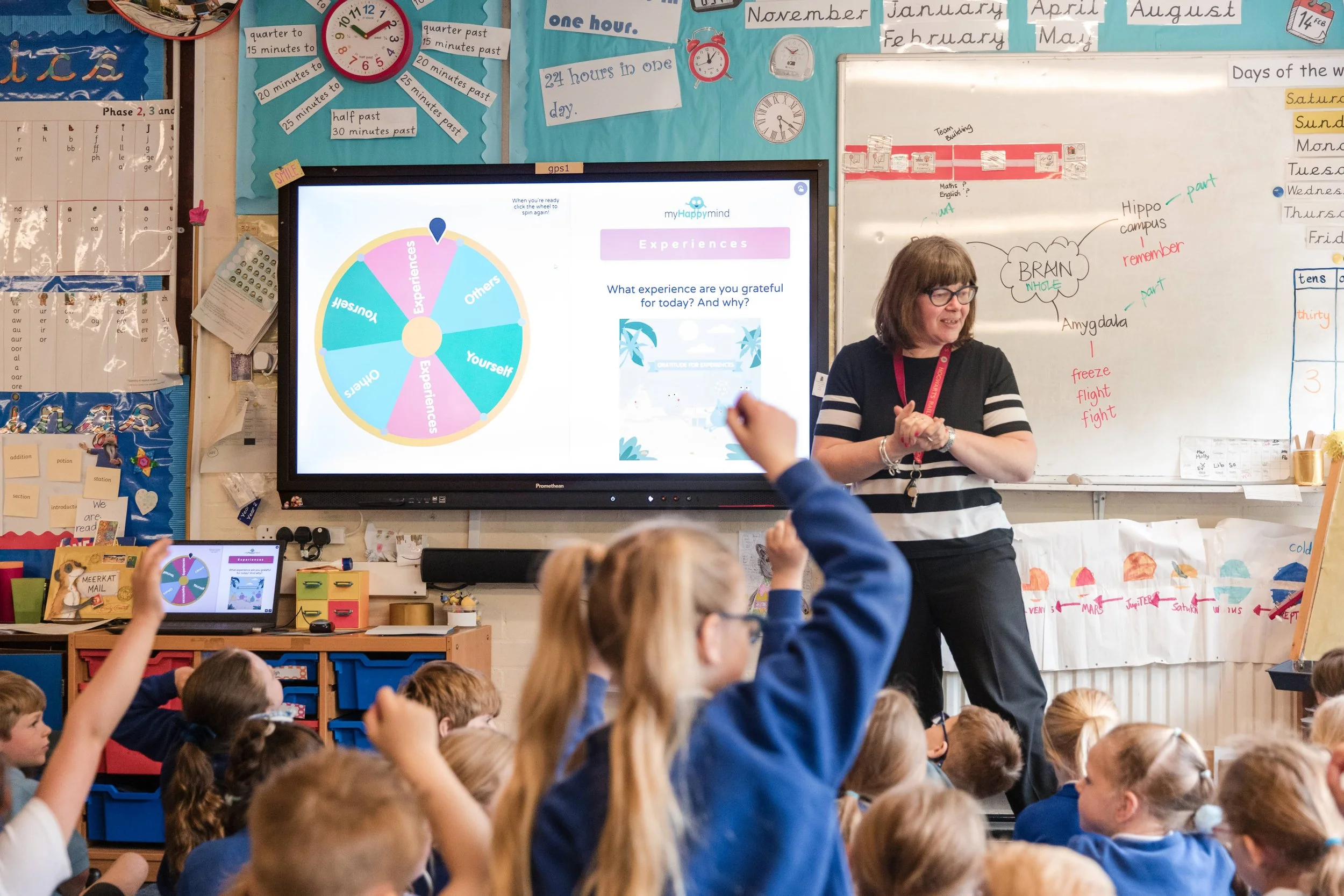
Today, myHappymind supports over a million children across more than 2,000 schools and 40 Local Authorities, working alongside educators and families every day. We see the impact in calmer classrooms, stronger relationships and more connected, compassionate school communities.
At the heart of my work is a deep belief in prevention, inclusion and equity. I believe mental health education should be as normal and universal as learning to read or write, and that every child deserves the opportunity to develop the skills, language and confidence to understand their mind, manage their emotions and thrive, both now and in the future.
How did you get into this industry? Has it been an easy industry to get into or have you had many challenges?
I didn’t come into this work with a background in tech, so there has definitely been a steep learning curve. I’ve had to learn as I go, ask a lot of questions and get comfortable with not having all the answers straight away.
It hasn’t always been easy, and there have been plenty of challenges along the way, but I’ve also seen firsthand how powerful tech can be when it’s used with purpose. For me, it has never been about the technology itself, but about what it makes possible, reaching more children, supporting more schools and creating change at scale.
I hope my journey shows other women that you don’t need to fit a traditional mould or have a technical background to work in this space. With curiosity, courage and the right support around you, tech can be a powerful force for good, and there is space for more women to help shape how it’s used.
How long did it take you to be where you are now? What was the biggest obstacle?
I started myHappymind in 2016, so we’ve been on this journey for nine years now. It’s been very much a process of learning, testing and evolving rather than a straight line.
One of the biggest challenges was truly understanding the problem families and schools were facing and then figuring out how to create something that would genuinely work in real life and real school environments. For schools and families, they are busy, under pressure and stretched for time, so whatever we built had to be practical, accessible and easy to use, not another thing added to an already full plate.
Getting that right took time, iteration and a lot of listening. We’ve continually evolved the programmes by working closely with schools, teachers and families, learning what works, what doesn’t and where we can do better. That willingness to listen and adapt has been one of the most important parts of our growth and continues to shape where we’re heading next.
What are the challenges of being in the industry you are in?
There are real challenges in the spaces we work in. For our schools and teachers, they are under huge pressure, with limited time, stretched budgets and increasing expectations placed on them every day. Finding funding and capacity for mental health and wellbeing work can be difficult, even when the need is clearly there. At the same time, we’re seeing an escalation in mental health challenges among children, driven by wider societal and external factors that sit far beyond the school gates. Education and health services are both feeling that strain, often having to respond once issues have already reached crisis point.
Working at the intersection of education and health means navigating those pressures carefully. It reinforces why early intervention, practical tools and support that fits into real-world settings are so important, and why collaboration across schools, families and health systems is essential if we want to create lasting change.
What are your biggest achievements to date?
One of my biggest achievements is building myHappymind into an NHS-backed programme. Gaining that backing was a significant milestone and a real validation of the science, integrity and impact behind our work. It represents years of collaboration, evidence-building and commitment to doing this properly, not just at pace, but with care.
Winning the King’s Award for Innovation this year, and having the opportunity to meet the King, has also been a huge honour and an important moment for our whole team.
But alongside those milestones, genuinely, the achievements that matter most to me happen every day. Hearing from schools and families about children who are better able to cope with life’s challenges is what truly drives me. Those everyday wins, where wellbeing skills genuinely change the direction of a child’s life, are what keep me focused on reaching as many children as possible with mental health and wellbeing education.
What are the projects you are currently working on?
Looking ahead to 2026, our focus is on expanding the reach of myHappymind so more children can benefit from early, preventative mental health education. That includes continuing to grow across the UK, both through individual schools and through partnerships with the NHS and Local Authorities, as well as growing our schools programmes’ reach internationally.
Alongside that, we’re working on an exciting event for our existing myHappymind schools. It’s designed to bring our community together, celebrate the incredible work happening in schools and share learning, inspiration and connection across our network of schools.
Is the #WomenInTech movement important to you and if yes, why?
Yes, it really matters to me. I want women to know that no matter their background, confidence or experience with technology, tech can be a powerful force for good. It can be used to solve real problems, improve lives and create meaningful change.
The #WomenInTech movement helps open doors, shift perceptions and show that you don’t have to fit a traditional mould to build or lead in this space. When more women feel able to step into tech with purpose, the impact goes far beyond the technology itself.
What will be the key trends in your industry in the next five years and where do you see them heading?
There’s a lot happening at the intersection of mental health, education and technology. We’re seeing rapid developments in AI, which bring both opportunity and responsibility. Used well, technology can help extend reach and improve access, but it’s not a silver bullet for the complex, human challenges facing children and schools. It doesn’t replace the need to build understanding, skills and supportive relationships. Prevention and education will remain critical.
At the same time, continued pressure on public spending means schools and services will be asked to do more with less. This will drive a growing need for innovative, evidence-based solutions that are scalable, practical and focused on early intervention. I see the sector moving towards approaches that prioritise prevention, empower communities and create sustainable impact, rather than reactive fixes.
What is the most important piece of advice you could give to anyone who wants to start a career in this industry?
Stay relentlessly focused on the problem you’re trying to fix and the impact you want to have. If you obsess over creating something that genuinely helps people and solves a real need, the rest starts to fall into place.
Above all, listen carefully, stay curious and be willing to adapt. This work is complex and human, and the best solutions come from listening hard, learning as you go and keeping your purpose front and centre.
Lastly, don’t wait until you are ready. You never will be.
Find out more about myHappymind on their website.
If you want to share your story with us and be featured on our WoW Women blog, get in touch.