WoW Woman in MedTech - Claire Dixon, co-founder and CEO of Neuraura
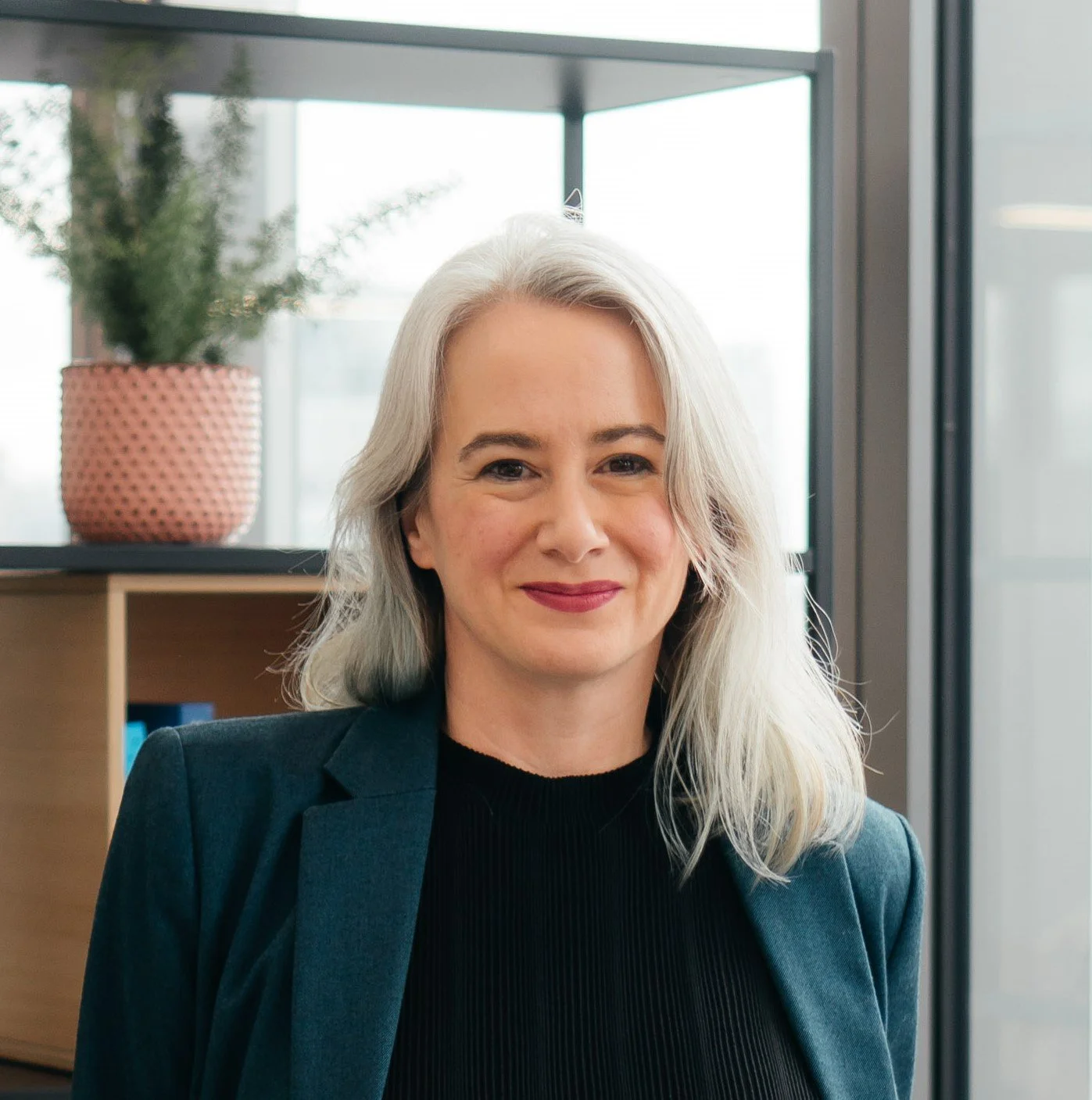
Claire Dixon is the CEO and co-founder of Neuraura, a seed-stage medical technology company based in Western Canada.
Neuraura is developing LoOoP, a novel platform for the treatment of PCOS. Claire is passionate about reshaping how chronic, underserved conditions are understood and supported through technology. Claire brings more than 25 years of international leadership, strategy and operational experience to her role. She holds an MBA from Harvard Business School and a MEng/MA (Cantab.) in Mechanical Engineering from Cambridge University.
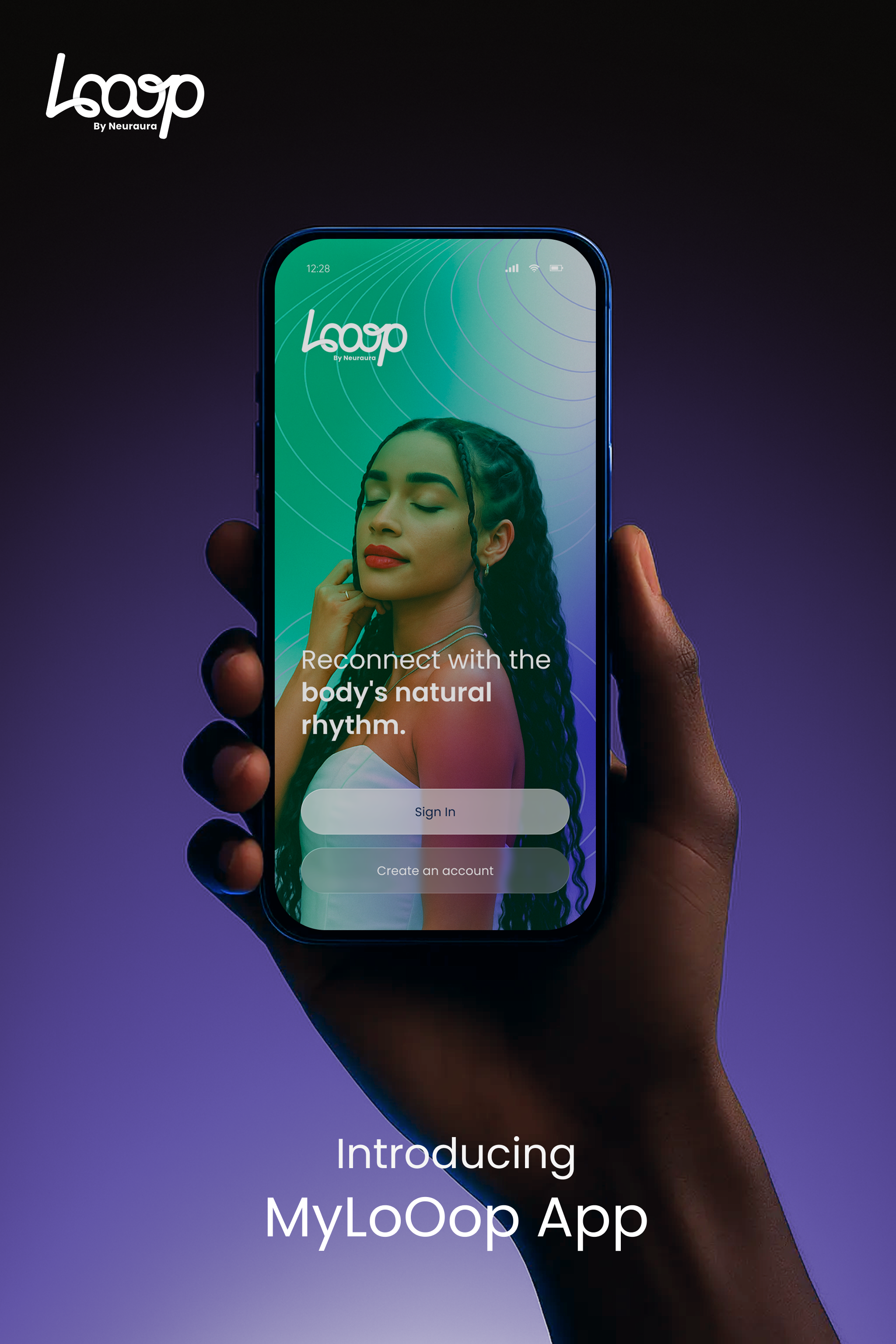
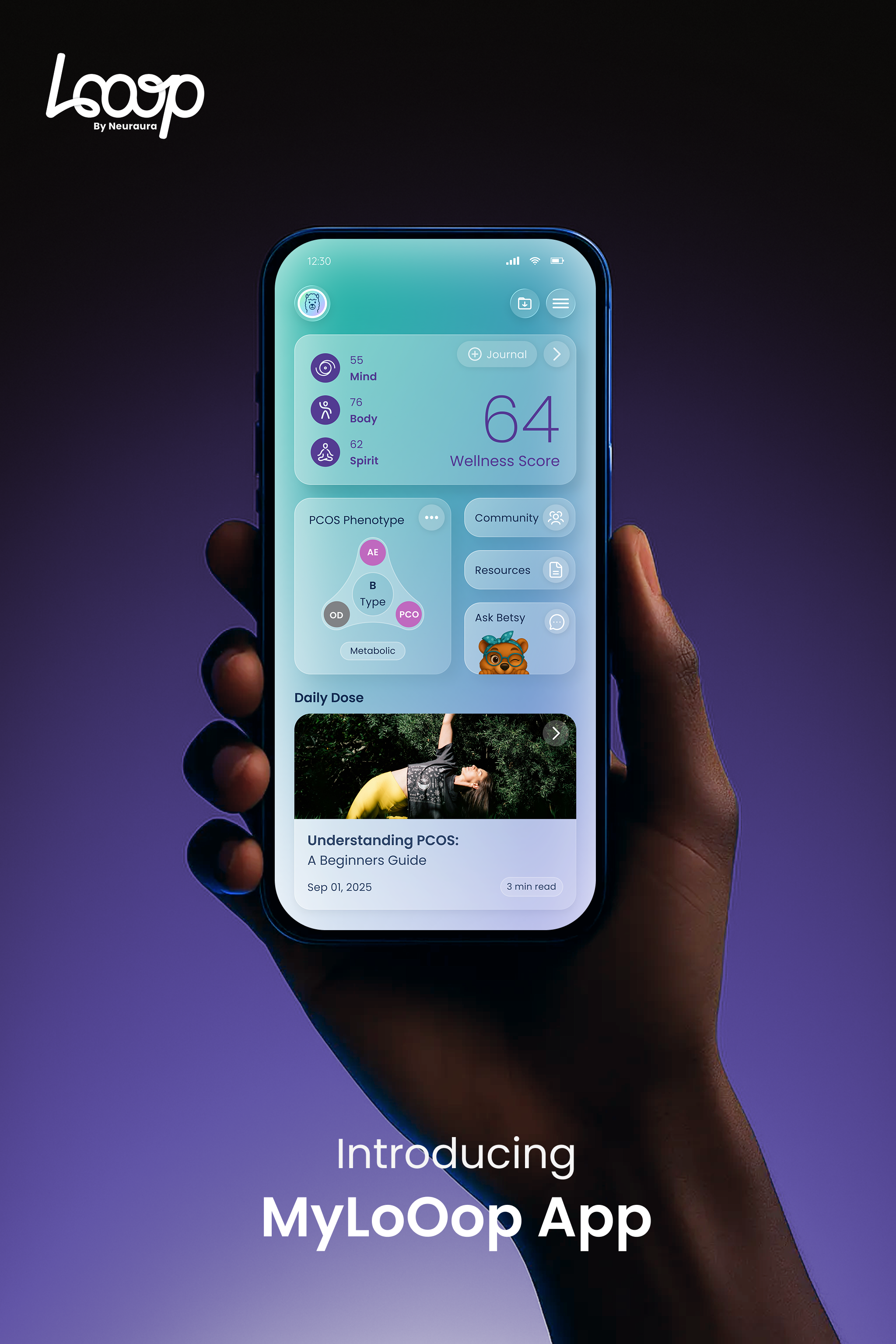
MyLoOoP is a web-based health platform designed to support individuals with PCOS by addressing persistent gaps in information, clarity and patient experience. The beta version now available brings together curated, evidence-informed resources and structured learning pathways into one accessible dashboard designed to reduce overwhelm.
Neuraura will be releasing its next iteration of the digital platform in the coming weeks, integrating journaling/symptom tracking and our AI chatbot, Betsy.
The LoOoP device (under development) will be the first new treatment option for PCOS in 70 years.
Tell us a bit about your background and your projects so far.
I bring lived experience to my role in women’s health as I can trace the impact of PCOS across my personal health journey from my first migraine at age 8 to now, battling multiple co-morbidities in peri-menopause. Prior to pivoting the company into women’s health 3 years ago, I’d never even heard of PCOS. This is shocking when you consider my own almost decade-long journey with infertility and pregnancy loss.
I refer to myself as a lapsed engineer. I find it a genuine advantage to bring a beginner’s mind to understanding PCOS and its impact. Whereas it’s historically been treated as “just” a reproductive disorder, I intuitively pull at the connections to bring to light for myself and others the broader health impacts.
Entrepreneurship is a 3rd career for me and I’m able to bring a broad foundation of strategy, operations and marketing experience to the demands of being an early-stage founder. In some ways it’s like coming home as, in retrospect, all of my family are entrepreneurs, but I didn’t join the dots for a long time as I’d followed a more academic/professional path.
How did you get into this industry? Has it been an easy industry to get into or have you had many challenges?
Moving into this industry has been an incredible experience. It’s unlike any other space because the challenges we face – the gaps in information, diagnosis and care – are endemic. Whether you’re in Canada or in any other country in the world, I hear the same underlying themes around stigma, bias, and gaps in research and funding. It’s an incredible community of innovators, funders and supporters and I’m proud to be part of it.
At Neuraura, we love to turn challenges into opportunities. We’ve intentionally chosen PCOS as one of the most common, profound and underserved conditions. With impacts on almost all aspects of health, it’s also one of the most complex. There is a lot more awareness over the last couple of years and I believe 2026 is the year that capital will start to flow more abundantly into PCOS and other chronic health conditions.
How long did it take you to be where you are now? What was the biggest obstacle?
Our team has a strong commitment to evidence-based information and care. As such, we couldn’t start building solutions without confidence in their impact. That means taking the time to do the work, to dig deeper and gather the evidence.
What are the challenges of being in the industry you are in?
Part of our mission has to be a broader role in education. We want to provide individuals with PCOS with the tools to engage more effectively with the system of care they are in. We also have to reach those who are providing that care and, in PCOS, that spans a wide variety of clinical disciplines and healthcare stakeholders. Shifting outdated narratives around women’s health is both the challenge and the mission.
What are your biggest achievements to date?
Launching LoOoP’s web-based platform has been my most meaningful achievement to date. Beyond the product itself, I am proud of contributing to broader conversations around PCOS education and women’s health innovation.
What are the projects you are currently working on?
I am currently focused on expanding LoOoP’s platform capabilities, refining user engagement and retention strategies, and building long-term strategic partnerships.
We are continuously strengthening our educational pathways to ensure they remain accessible, structured, and aligned with evidence-based information.
Is the #WomenInTech movement important to you and if yes, why?
Yes, deeply. Representation shapes what problems get prioritised and funded.
Women’s health has historically been overlooked in technology and research.
The #WomenInTech movement is important because it increases visibility, funding access, and leadership opportunities for women building solutions that directly impact other women.
What will be the key trends in your industry in the next five years and where do you see them heading?
I believe we will see stronger integration between consumer-facing digital health platforms and traditional care systems. AI-assisted personalisation in health education will grow significantly, but trust and regulatory clarity will become even more important.
The future of FemTech will require transparency, evidence alignment, and thoughtful design that prioritises user safety.
What is the most important piece of advice you could give to anyone who wants to start a career in this industry?
Start with the problem, not the product.
Health tech requires empathy, patience, and systems thinking.
Understand regulatory frameworks early.
Building trust is foundational in healthcare, and innovation without responsibility will not scale sustainably.
Who are three inspirational women in your respective industry you admire?
Being from Canada, I have to give a shout-out to Rachel Bartholemew, one of the founders of Femtech Canada and the CEO and founder of Hyivy. Rachel is a huge inspiration and has been an incredible friend to us on our journey so far.
I’d also love to call out Susan Singer, founder and CEO of Salura Health. Susan is another one of those incredible people who has taken her own experience and combined it with a strong commercial background to make a positive change in the world.
Finally, I’ll take the opportunity to thank another friend, Danika Kelly, CEO and founder of MyNormative. She’s one of the driving forces behind the Persons’ Project and also somehow found time to be one of the leaders behind Bill S-243, enshrining our rights to healthcare in Canada.
Find out more about MyLoOoP on their website here.