
WoW Woman in Health Tech - Nora Rodden, founder and CEO of Nervana

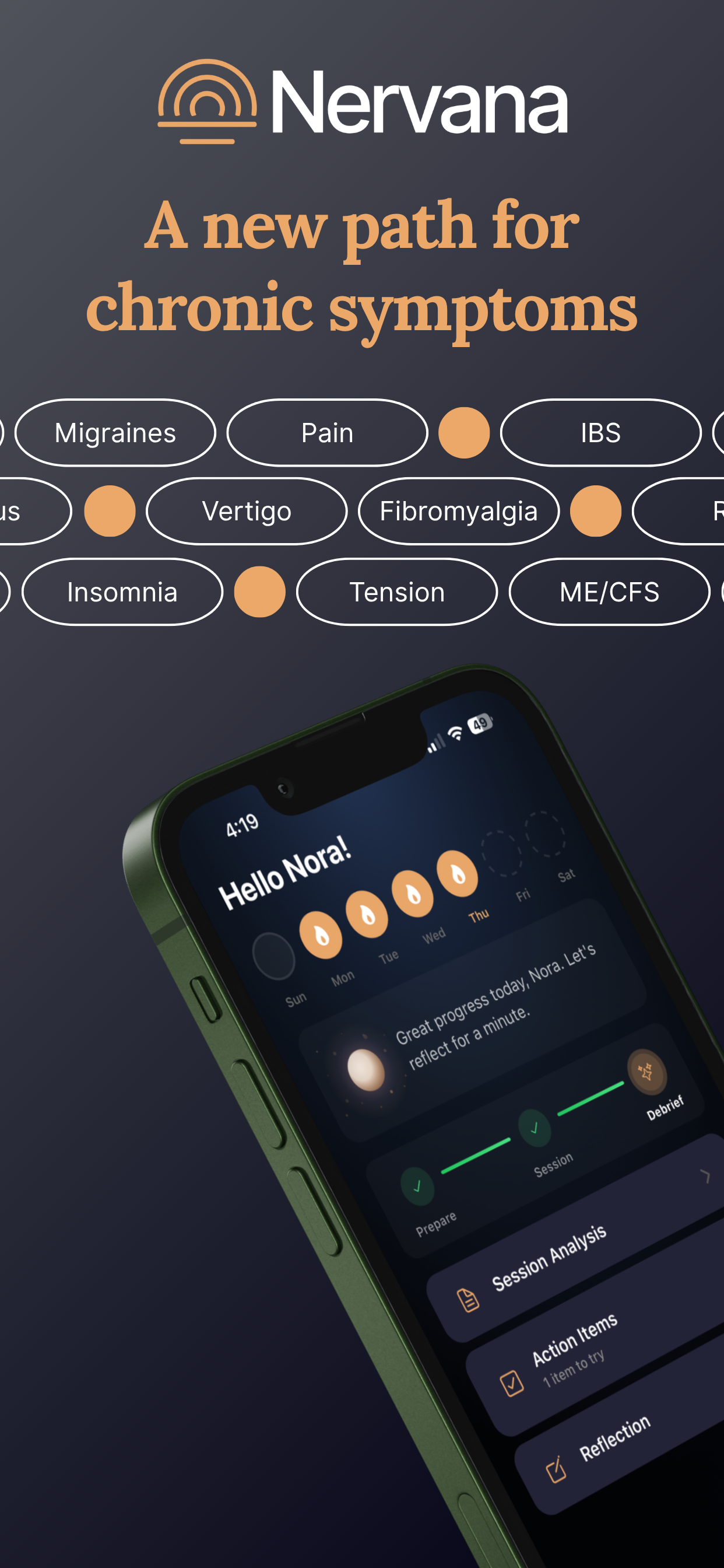
Nora Rodden is the Founder and CEO of Nervana, a digital health company that helps people better understand their brain–body connection and learn skills that may reduce the impact of chronic neuroplastic symptoms, such as pain, IBS, fatigue, migraines, sleep issues, and more.
Based in San Francisco, she brings deep experience across biotechnology, healthcare strategy, operations, and digital health to Nervana. Before founding Nervana, Nora led strategy and operations at Bay Area biotech startups, Addition Therapeutics and Alector. She created Nervana after recovering from years of chronic back pain, digestive issues, and insomnia through a nervous system recovery approach. Nora is passionate about chronic symptom recovery, neuroscience, women’s health, patient empowerment, and reducing the stigma around mind-body approaches.
Outside of work, she is a trained yoga teacher and enjoys spending time outdoors with her husband and friends. Nora holds an MS in Biotechnology from Harvard University, an MBA from Harvard Business School, and a BS in Biology from Cornell University.
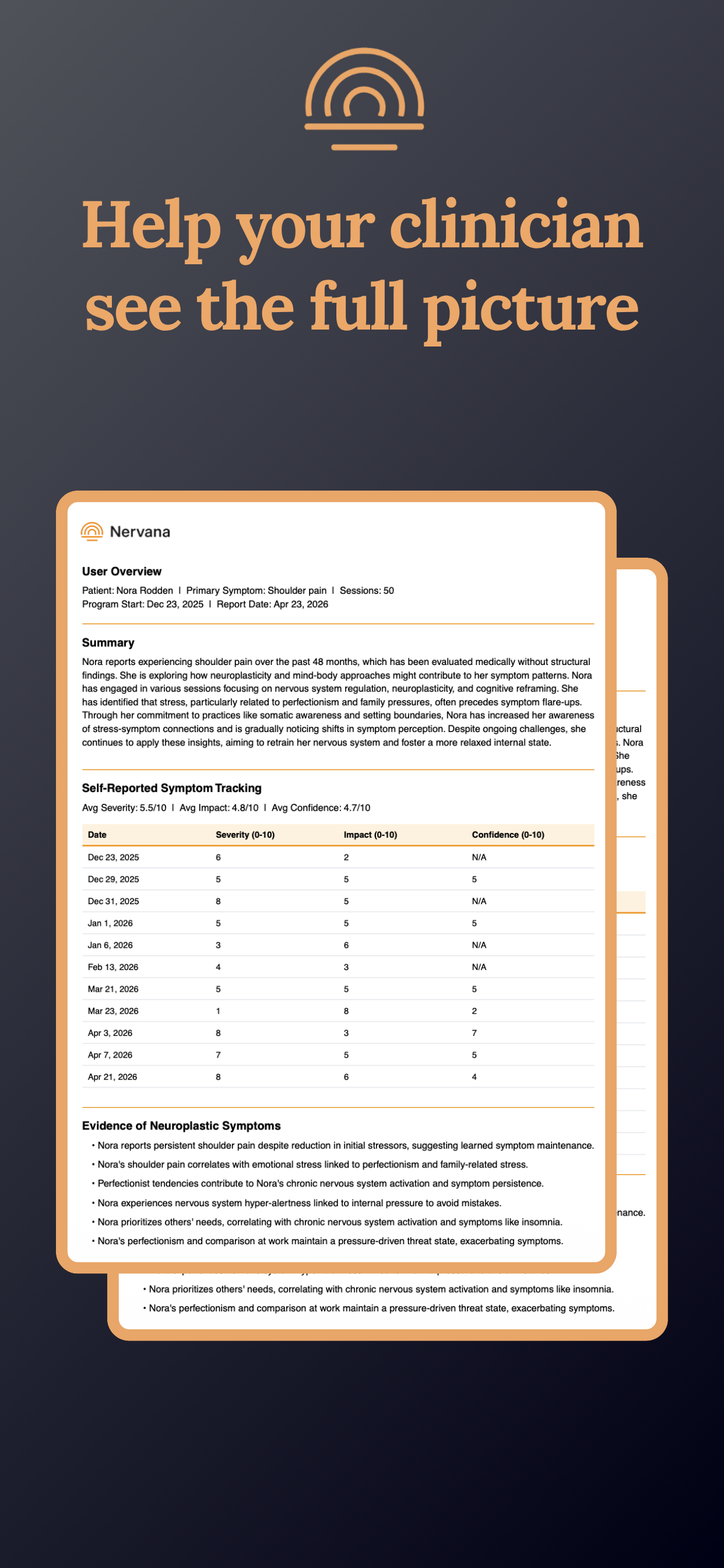
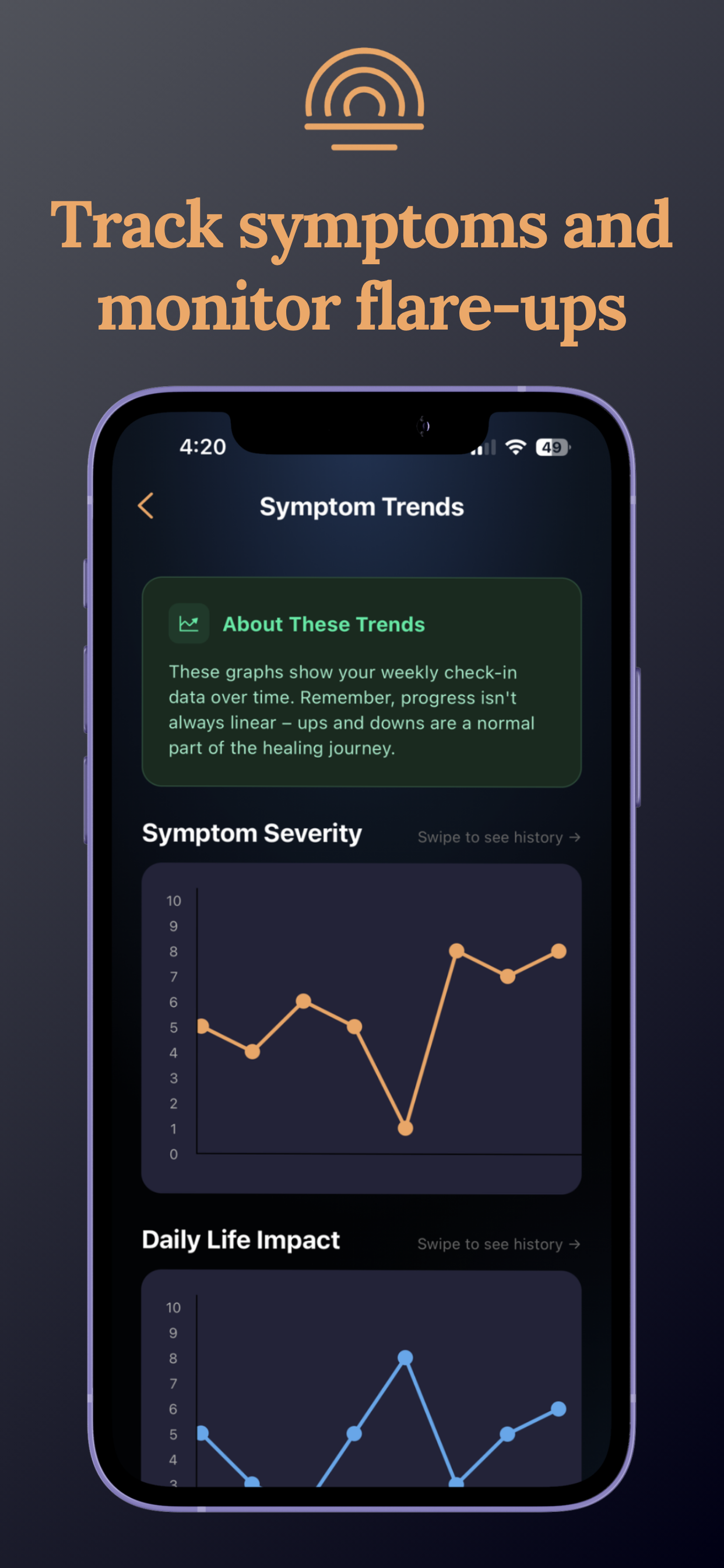
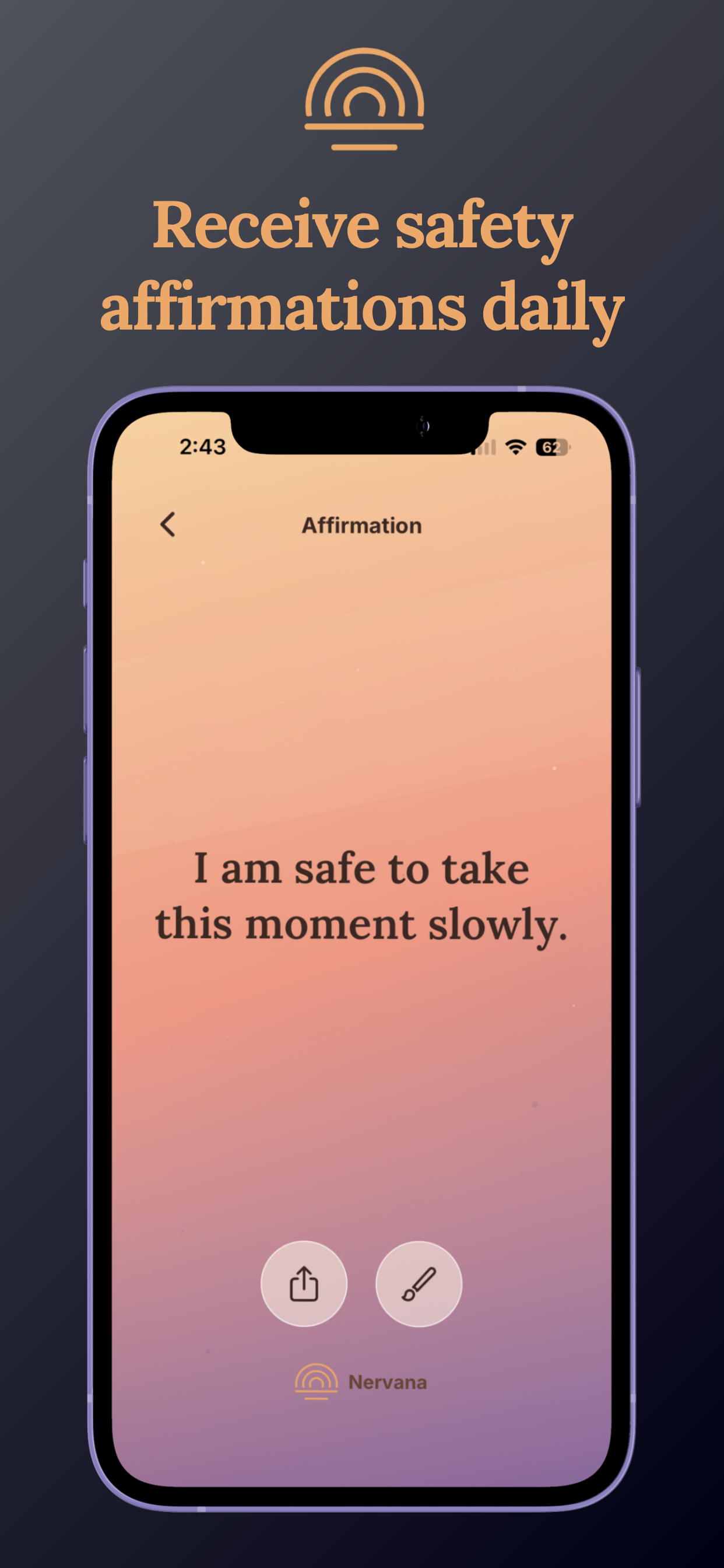
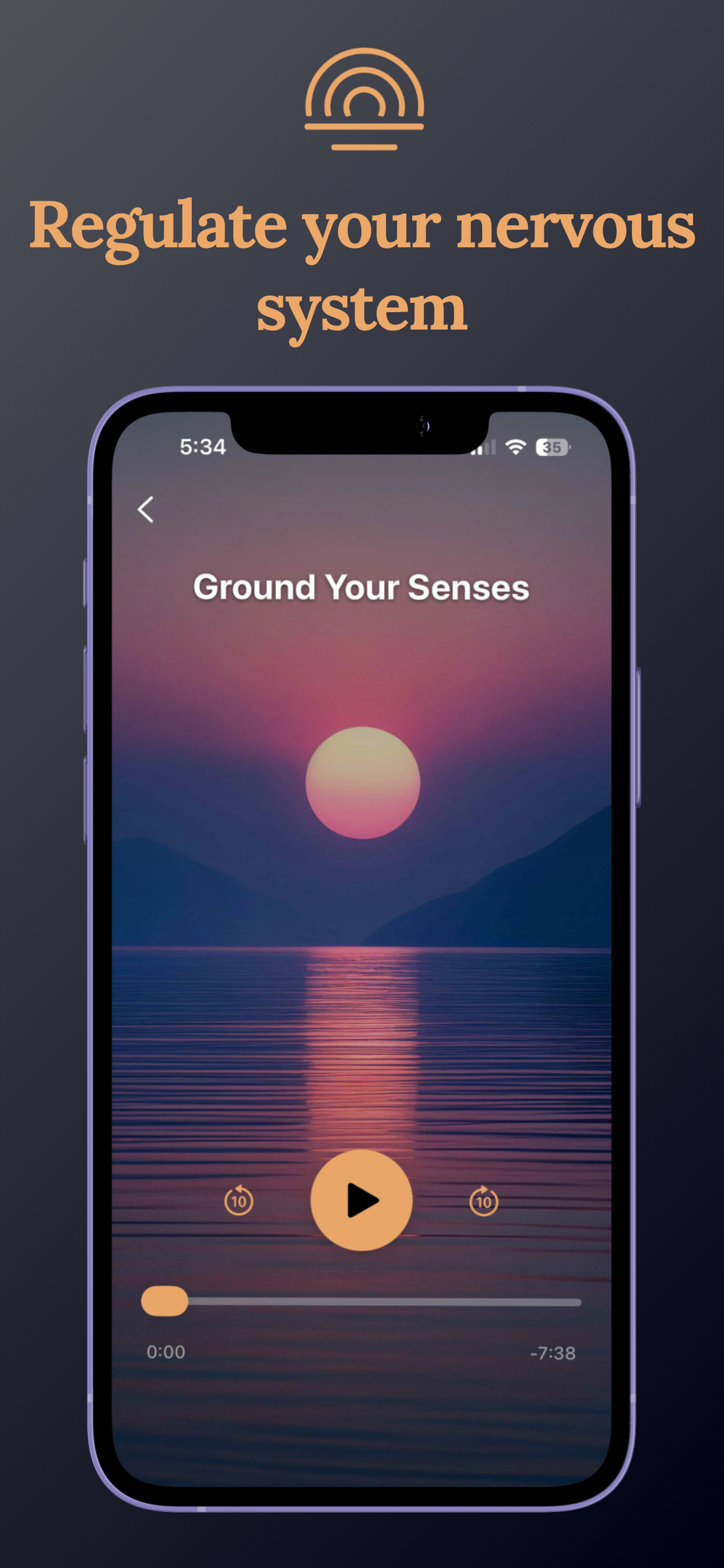
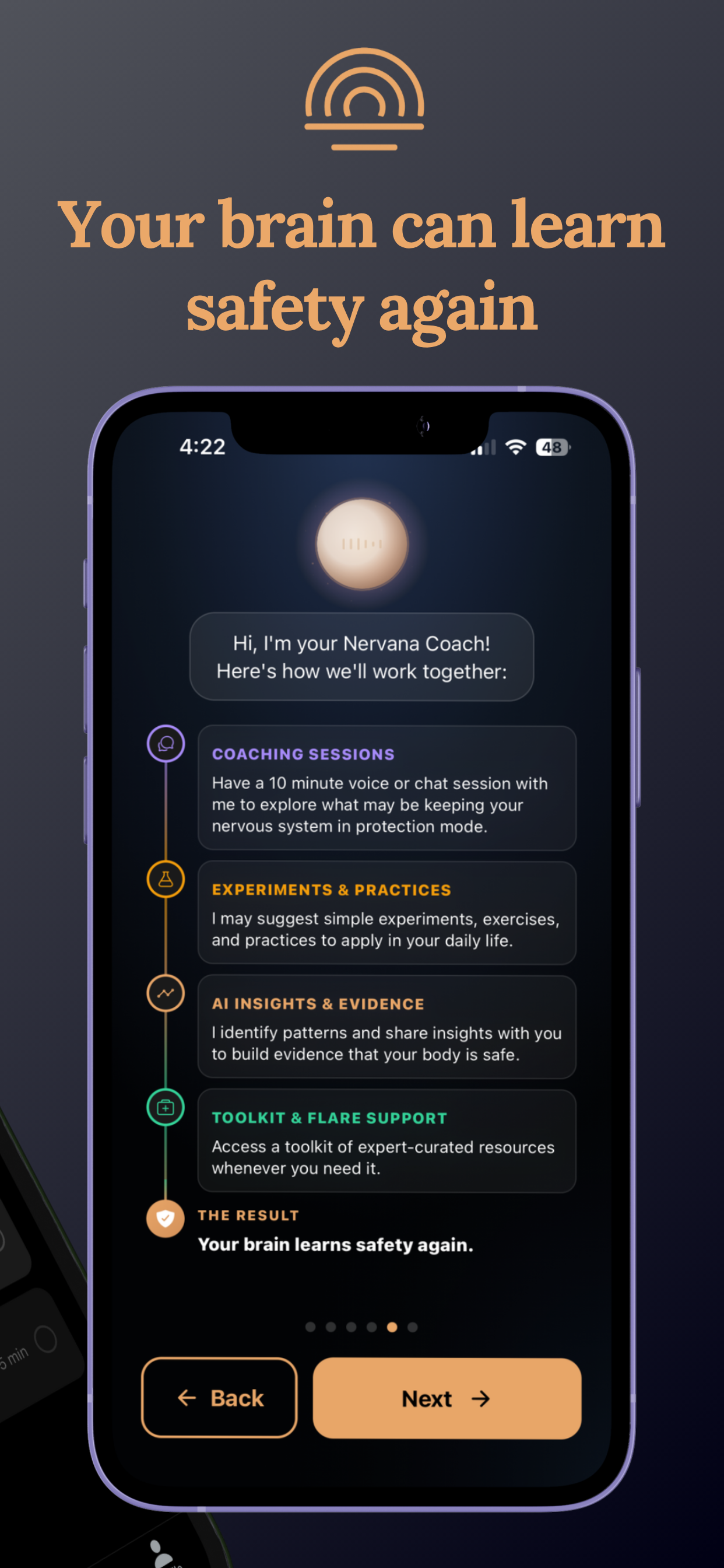
Nervana is a digital health company helping people with chronic pain and other persistent symptoms retrain their brains and nervous systems for relief. Through its AI-powered mobile app, Nervana combines neuroscience education, nervous system regulation, guided exercises, symptom pattern insights, and personalized AI coaching to support recovery from neuroplastic symptoms such as pain, IBS, migraines, fatigue, insomnia, and anxiety. The Nervana team worked with more than 400 clinicians and drew on decades of clinical research to develop its tools. Also built from founder Nora Rodden’s personal recovery experience as well as grounded in evidence-based mind-body approaches, Nervana makes specialized support more accessible between appointments and in everyday life, offering people clearer tools, greater hope, and practical support for daily healing.
Tell us a bit about your background and your projects so far.
My background sits at the intersection of science, healthcare, technology, and lived experience. I’m the Founder and CEO of Nervana, a digital health company helping people with chronic pain and other persistent symptoms retrain their brain and nervous system for relief. Before starting Nervana, I earned an MS in Biotechnology and an MBA from Harvard and worked in biotech strategy and operations at Bay Area startups.
But the real origin story is personal. When I was a senior at Cornell University, I was hit by a car while walking to class. I was rushed to a trauma center and had microfractures in my back and a concussion. The doctors said I was lucky and that I should heal in a matter of weeks. While my injuries did eventually heal, the chronic pain I felt in my back did not. Over the next five years, I tried everything under the sun to manage my pain, including steroid injections, physical therapy, chiropractic treatment, acupuncture and even nerve ablation. Later in life, I developed chronic digestive issues and insomnia, too, which I became obsessed with trying to fix. I spent thousands of dollars, tried every treatment, and nothing worked. I felt like I was playing whack-a-mole with my chronic symptoms, and the healthcare system continuously failed me.
While at Harvard, I came across a clinical trial for chronic back pain that introduced me to emerging pain neuroscience, emotional processing, and nervous system regulation. I was sceptical, but eventually learned that sometimes, after an injury, illness, stress, or trauma, the brain and nervous system can continue producing symptoms even after the body has structurally healed. Once I began retraining my nervous system from the inside, my pain, GI symptoms, and sleep issues improved dramatically. I couldn’t believe that no doctor had ever introduced me to this approach, and I wanted the world to understand the remarkable role our minds can play in healing.
That is what led me to build Nervana, a science-based app for people who feel like they have tried everything else for their chronic symptoms. Nervana combines mind-body education, a trained AI coach, guided exercises, nervous system regulation tools, and symptom-pattern insights to make this work more accessible and practical.
How did you get into this industry? Has it been an easy industry to get into, or have you had many challenges?
I got into this industry because I was once the patient I am now trying to help.
For years, I was very much inside the traditional medical model. I was looking for the physical thing that was wrong and trying to fix it. That made sense to me, especially with my science background. I had been hit by a car, so of course I assumed there was something still wrong in my body if I was feeling persistent pain. But after years of treatments, diagnoses, and specialists, I still did not have my life back.
The hard part was not just recovering. It was learning how to explain this field in a way that felt credible and compassionate. When you tell someone that the brain and nervous system may be involved in their pain, it can easily sound dismissive if you are not careful. I know that because I felt defensive at first, too. The accident was real. The pain was real. I needed someone to explain that my symptoms were not “imaginary”; they were real physical experiences generated or amplified by a nervous system that had learned danger.
So no, it has not always been easy. The biggest challenge has been building trust in a space where many people have already felt dismissed by the medical system. My job is not to convince people before they are ready. It is to make the information accessible, grounded in science, and compassionate so that when someone is ready, they can find a path forward.
How long did it take you to be where you are now? What was the biggest obstacle? What are the challenges of being in the industry you are in?
In some ways, it took five years of symptoms to get here. In another way, it took my entire career studying biology and biotechnology, working in biotech startups, training as a yoga teacher, going through my own recovery, and then realizing that what I needed most did not really exist in an accessible format.
The biggest obstacle was probably fear, both my own fear as a patient and the broader fear that surrounds chronic symptoms. When you have chronic symptoms, it is very easy to become hypervigilant. You scan your body constantly. You wonder whether every movement, food, stressor, or sensation is a sign that something is wrong. That fear can become part of the symptom loop.
As a founder, the biggest obstacle has been translating something deeply personal into something scalable, safe, and scientifically grounded. We are working in a space that requires nuance. People need appropriate medical evaluation. Structural issues, such as broken bones or genetic conditions, do exist. At the same time, there is a huge group of people whose symptoms persist after the body has healed, or whose symptoms do not match the level of structural findings. Those people often fall through the cracks, left searching online for cures and hope.
The industry challenge is that nervous-system and mind-body approaches are still not always integrated into mainstream care. That is changing, but slowly. Digital health companies also have to prove real value, integrate with clinical workflows, and meet rising expectations around evidence, safety, and reimbursement.
What are your biggest achievements to date?
My biggest achievement is recovering and then turning that experience into something that can help other people.
On a personal level, getting my life back after years of pain, GI symptoms, and insomnia changed everything. I know what it feels like to wake up and immediately scan your body. I also know what it feels like to stop the anxiety loop and finally feel safe in your own body. That shift is a huge part of why I do this work.
Professionally, I’m proud that we built Nervana with both compassion and scientific rigor. Nervana is grounded in approaches like Pain Reprocessing Therapy, Psychophysiologic Symptom Relief Therapy, and Emotional Awareness and Expression Therapy, and our provider-facing work is designed to help clinicians reinforce this work between visits.
I’m also proud that Nervana is making this support more accessible. Not everyone can afford specialized mind-body care, not everyone has a clinician nearby who understands neuroplastic symptoms, and many people need support in the moments between appointments, when they are actually living with their symptoms. Nervana’s goal is to help people move from fear to understanding and from feeling broken to empowered.
What are the projects you are currently working on?
Right now, my main focus is Nervana.
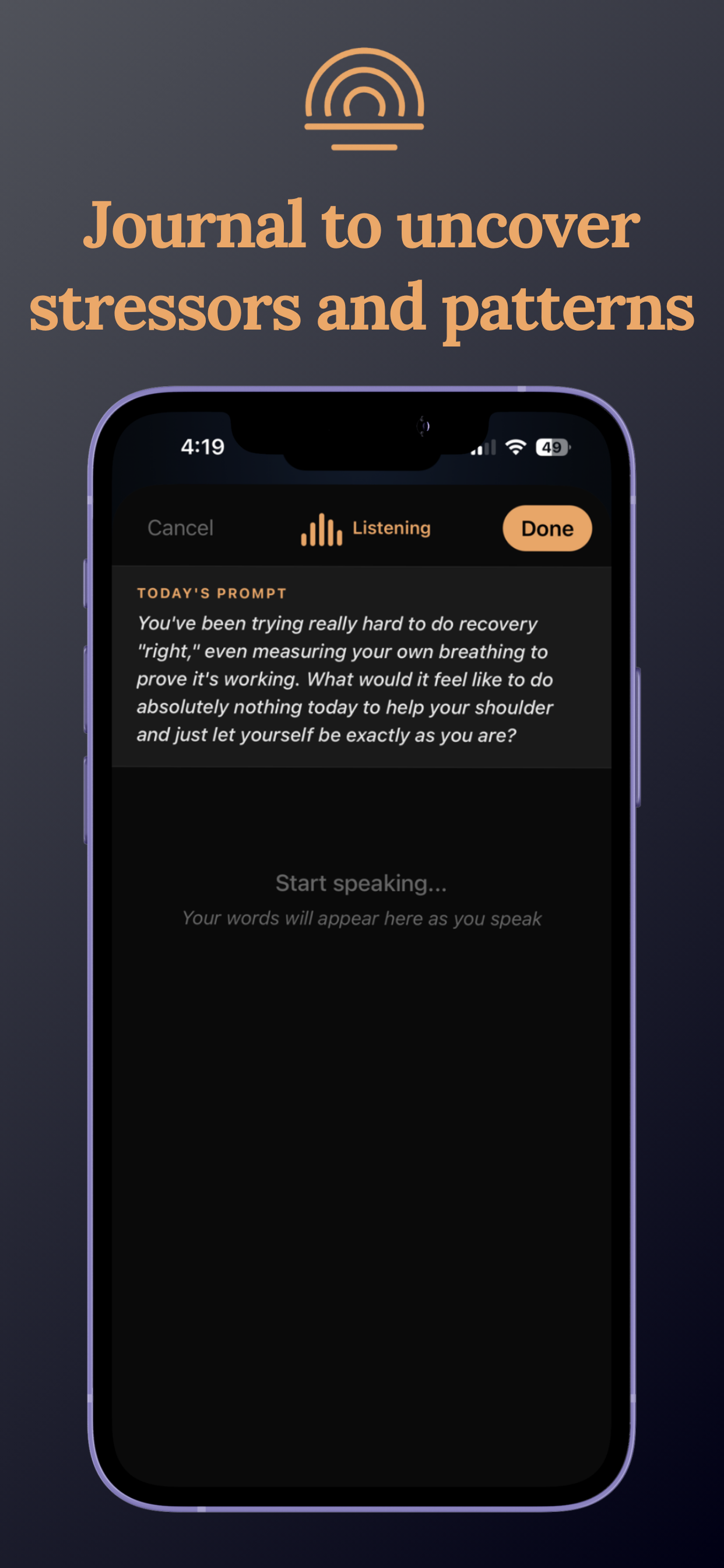
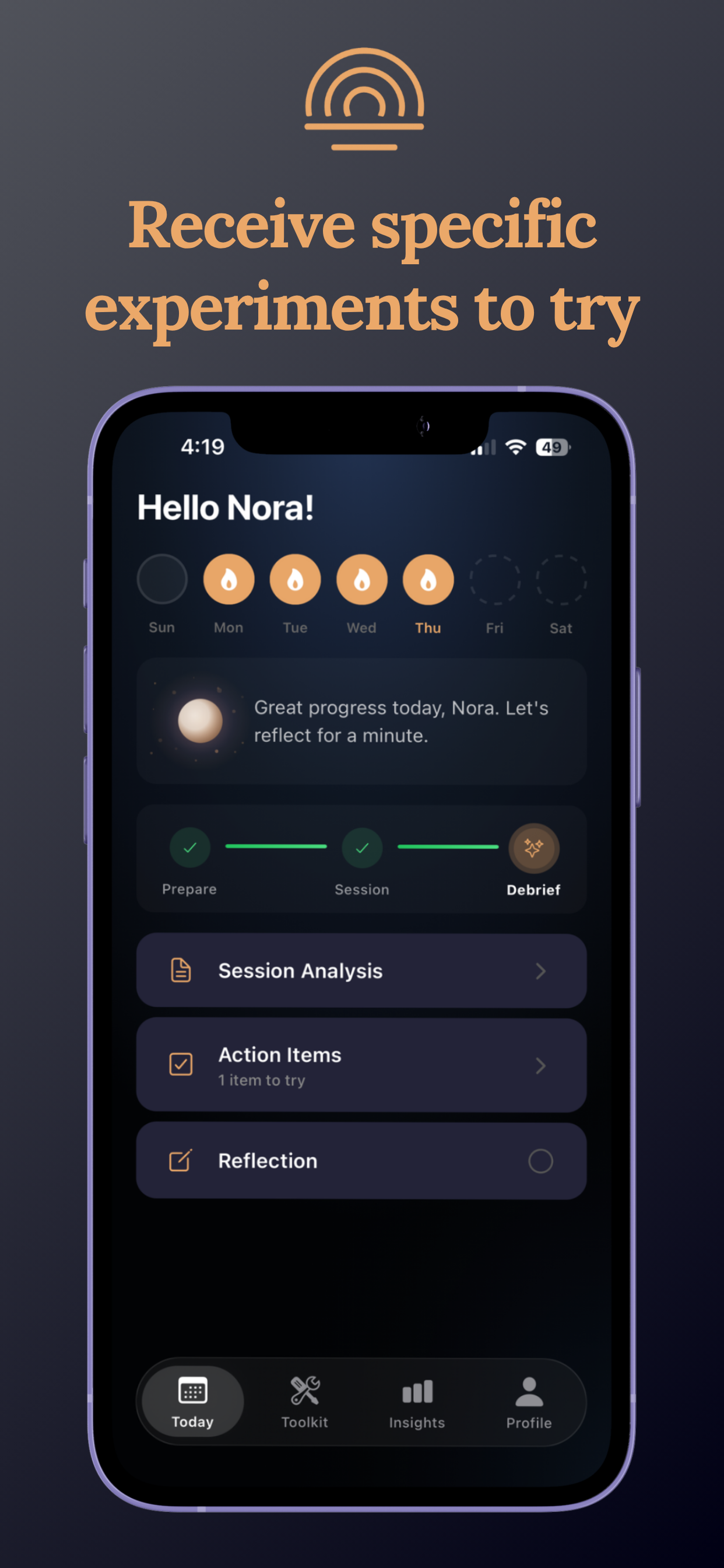
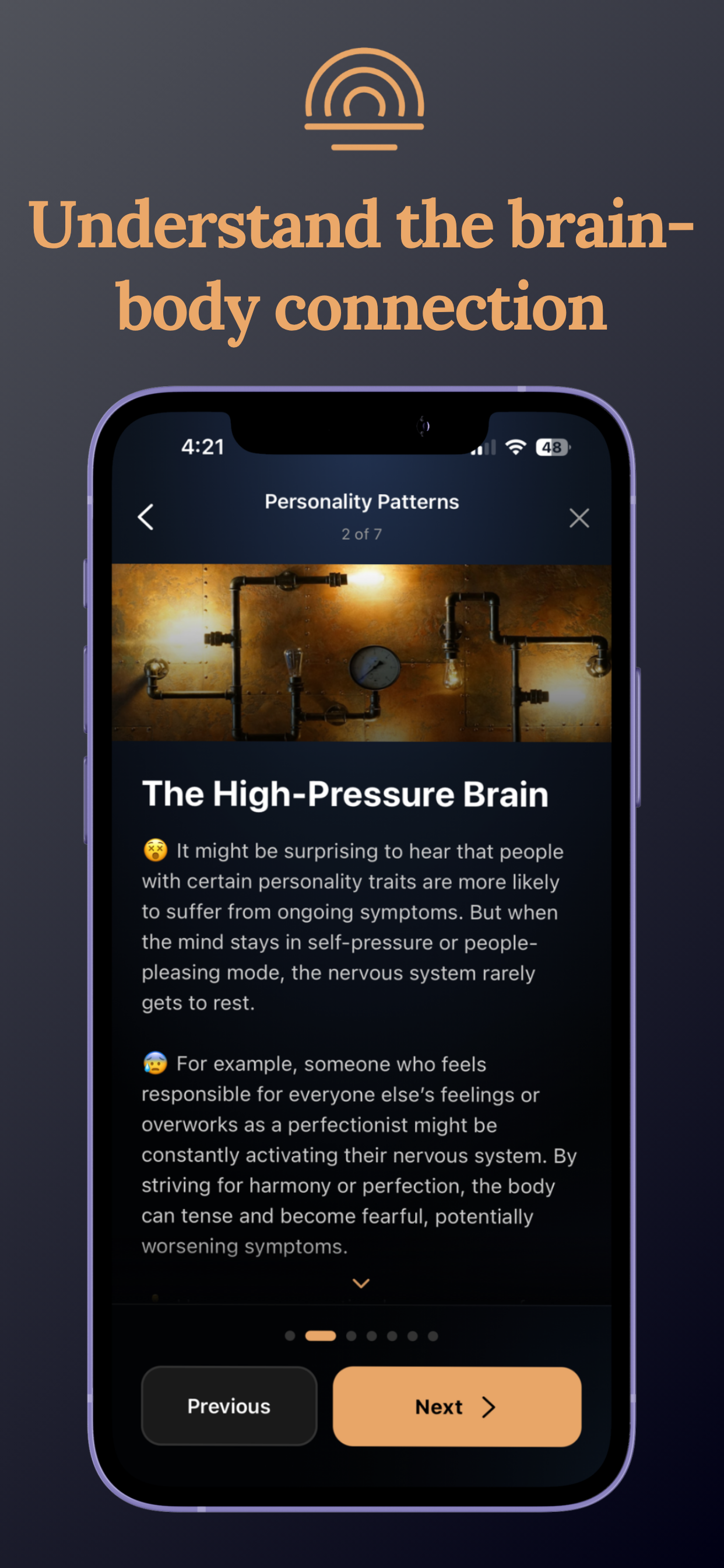
We are building a structured, science-based recovery experience for people with chronic symptoms such as pain, IBS, insomnia, migraines, fatigue, brain fog, and other persistent symptoms that may have a neuroplastic or nervous-system component. The app helps users understand the fear-symptom loop, notice symptom patterns, work with an AI Nervana Coach, use guided writing to uncover stress and emotional patterns, and practice grounding and somatic tools that help the body feel safer.
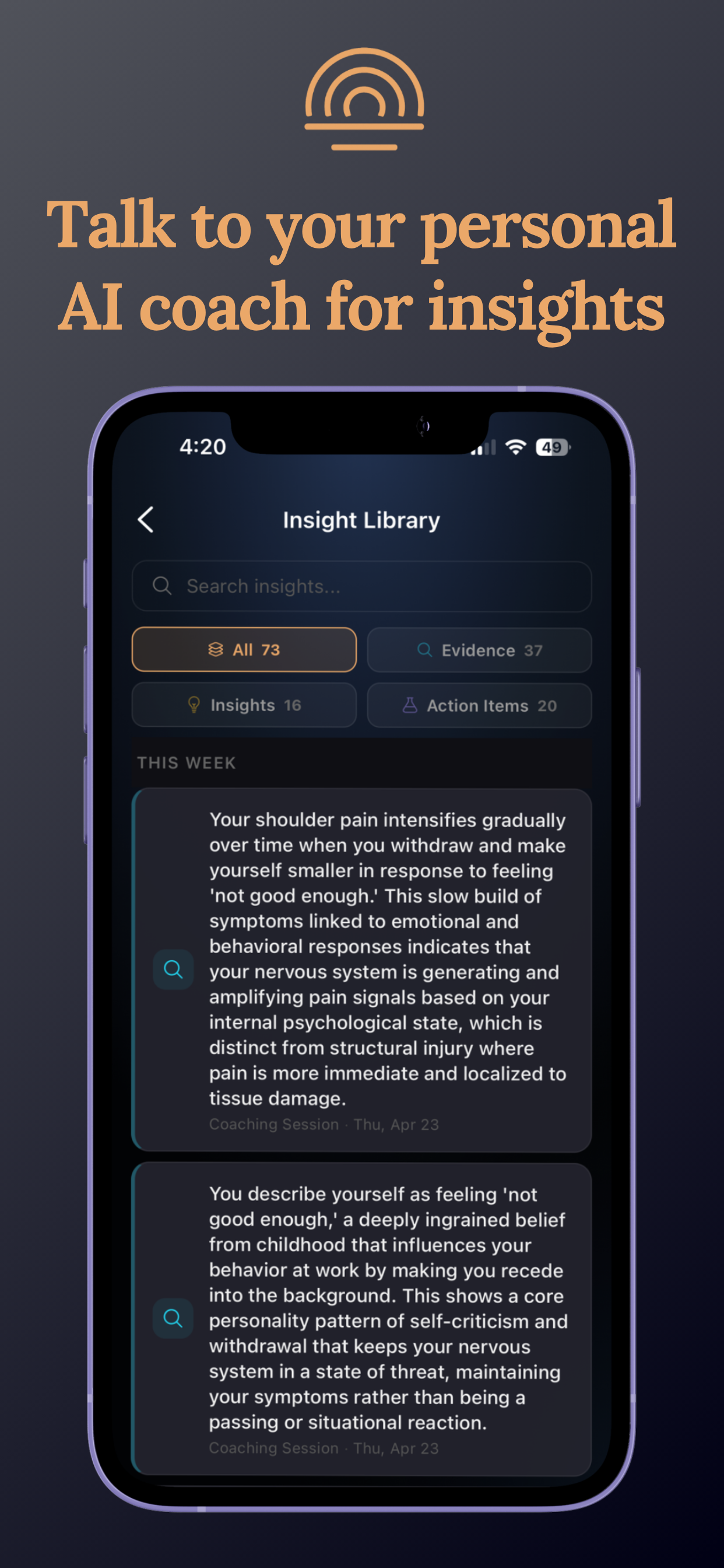
I am especially excited about the AI coach because it allows support to become more personal and responsive. A lesson or meditation can be helpful, but many people need to talk through what is happening in their real life, such as the flare before a work meeting, the symptom that appears around a certain person, or the fear that comes up when they try movement again. Nervana is designed to meet people in those moments and help them practice safety, curiosity, and outcome independence.
We are also working with providers so Nervana can become a bridge between clinical care and daily life. My hope is that this becomes a tool clinicians can confidently recommend and that patients can use to keep practising between sessions.
Is the #WomenInTech movement important to you and if so, why?
Yes, absolutely.
For me, #WomenInTech is not just about representation, although representation matters enormously. It is also about what gets built, who it is built for, and whose pain is taken seriously.
In health care, women’s symptoms have too often been minimized, misunderstood, or dismissed. Many chronic conditions that disproportionately affect women, such as pelvic pain, migraines, autoimmune-like symptoms, fatigue, IBS, endometriosis, menopause-related symptoms, and many others, have historically been under-researched and surrounded by shame and silence.
When women are building health technology, we are more likely to ask different questions. Who has been ignored? Who has been told “everything looks normal” while still suffering? Who cannot access care because it is too expensive, too stigmatized, or too specialized? To me, #WomenInTech is about building a future where technology expands access, deepens empathy, and reflects the real complexity of people’s lives.
What will be the key trends in your industry in the next five years and where do you see them heading?
I think the biggest trend will be the shift from generic digital health tools to highly personalized, AI-supported care. Consumers are already using AI for health questions in a very self-directed way. Many AI users are engaging with generative AI weekly or more often, and especially around health questions.
The next phase will need to be safer and more specialized. In chronic pain and chronic symptoms, people do not just need information. They need tools that understand fear, hypervigilance, nervous system dysregulation, emotional processing, and the day-to-day reality of symptoms. I think we will see more AI coaches and digital therapeutics that are not replacing clinicians but extending care between appointments.
The second trend is integration with the medical system. Digital health products will increasingly need to show evidence, fit into provider workflows, integrate with existing care pathways, and prove that they improve outcomes without adding burden. I think the industry is tired of point solutions or niche wellness employer benefits, so it’s on startups to figure out how to prove value for larger health systems and payors.
The third trend is whole-person care becoming more mainstream. The brain, nervous system, immune system, gut, hormones, emotions, and life experiences are deeply connected. For chronic symptoms, the future is not “it is physical” versus “it is psychological.” It is both and more. I believe we will see more care models that combine neuroscience, behavioral health, somatic tools, pain education, and medical evaluation in a truly integrated way.
What is the most important piece of advice you could give to anyone who wants to start a career in this industry?
Start with the problem, not the technology.
It is easy to get excited about AI, apps, wearables, biomarkers, or whatever the newest tool is. But in health care, especially in chronic symptoms, the most important thing is understanding the person you are trying to help. What have they already tried? Where have they felt dismissed? What do they need in the moment when symptoms are scary? What would make them feel safe enough to try something new?
I would also tell people to become comfortable with nuance. In this field, oversimplification can be harmful. Pain can be real and neuroplastic. A person may need medical evaluation and nervous system retraining. Technology can be powerful and still needs guardrails. Patients can be desperate for hope and also understandably sceptical.
My practical advice is to learn the science, listen to patients, work with clinicians, and not build from ego or get too obsessed with the product; it’s more about the outcomes and feelings the product creates for customers.
Who are three inspirational women in your respective industry that you admire?
One of the most meaningful parts of building Nervana has been meeting so many incredible women in the mind-body and neuroplastic symptom recovery space. I have spoken with hundreds of clinicians, coaches, researchers, and practitioners, and I am constantly inspired by the women who are doing this work with both scientific rigor and deep compassion.
Three women I’ve grown to admire are Dr. Melissa Tiessen, Dr. Rachel Hollander, and Dr. Rita Gupta.
Dr. Melissa Tiessen is a clinical psychologist whose work in chronic pain and Pain Reprocessing Therapy (PRT) really reflects what I admire most about this field: hope grounded in science. She began her career in interdisciplinary chronic pain care, where the focus was often on helping people manage pain rather than recover from it, and later trained in approaches including PRT and neuroplastic pain recovery. I admire the way she talks about pain as changeable and helps people reconnect with who they are beyond their symptoms.
Dr. Rachel Hollander is someone I respect deeply because she brings together the perspectives of a physician, a mind-body practitioner, and someone with her own recovery story. She is board-certified in Family Medicine, has an MPH, and now focuses on helping people recover from chronic pain and other neuroplastic symptoms through video visits and mind-body health coaching. She also reviewed Nervana early in its development, which I deeply appreciate.
Dr. Rita Gupta is another practitioner I admire. She is a board-certified physician in Family Medicine and Integrative Medicine, with training in Pain Reprocessing Therapy, Emotional Awareness and Expression Therapy, mindfulness, and neuroplastic pain recovery. What I love about her work is that she combines medical credibility with warmth and emotional depth. Her approach validates that symptoms are real while helping people understand how the brain, body, emotions, and nervous system can interact to create or maintain chronic symptoms.
What inspires me about all three of these women is that they are helping change the narrative around chronic pain. They are not telling people, “It’s all in your head.” They are saying “your symptoms are real, your suffering matters, and your nervous system may be capable of learning safety again.” That combination of validation, science, and hope is exactly the kind of future I want Nervana to help build.
Find out more about Nervana on their website.
Try Nervana for free here.