WoW Woman in Health Tech - Dr Rachael Grimaldi, co-founder and Chief Medical Officer of CardMedic
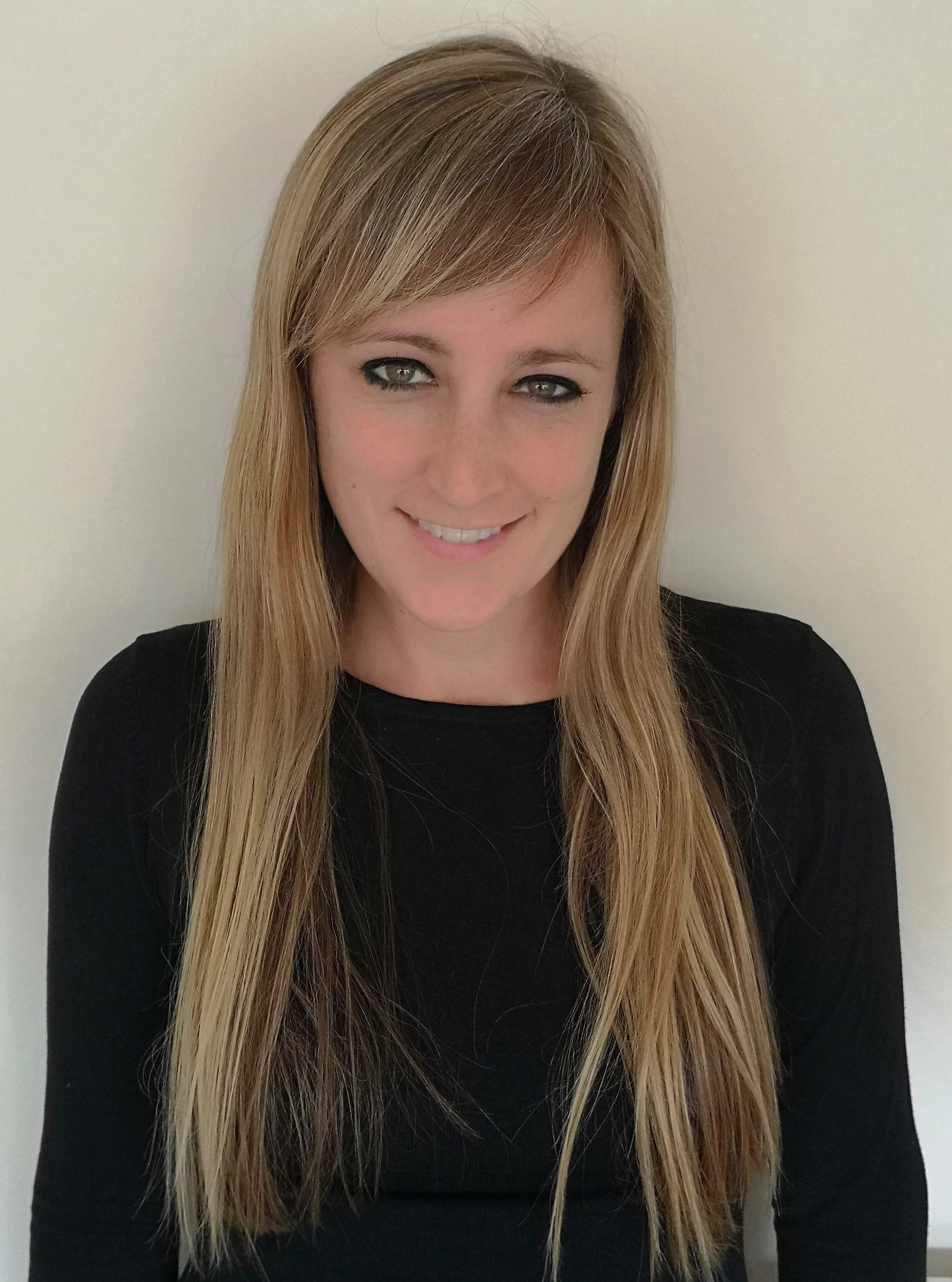
Dr Rachael Grimaldi is an adult and paediatric NHS anaesthetist and Co-Founder and Chief Medical Officer of CardMedic, as well as an NHS Clinical Entrepreneur and Innovation Accelerator Fellow. She has secured £1m funding from SBRI Healthcare and Innovate UK to scale CardMedic and support national patient safety initiatives such as Martha’s Rule. Named as Start-up Entrepreneur of the Year in the Great British Entrepreneur Awards and Grand Winner of She Loves Tech, her work has been recognised by Fast Company, Forbes and NHS England for its impact on patient safety and health inequalities. She has also won several prizes for her previous work on ICU Handover. Based in the UK and until recently the Associate Medical Director of the Brighton Marathon, she continues to practise clinically while leading CardMedic and advocating for inclusive, equitable healthcare.
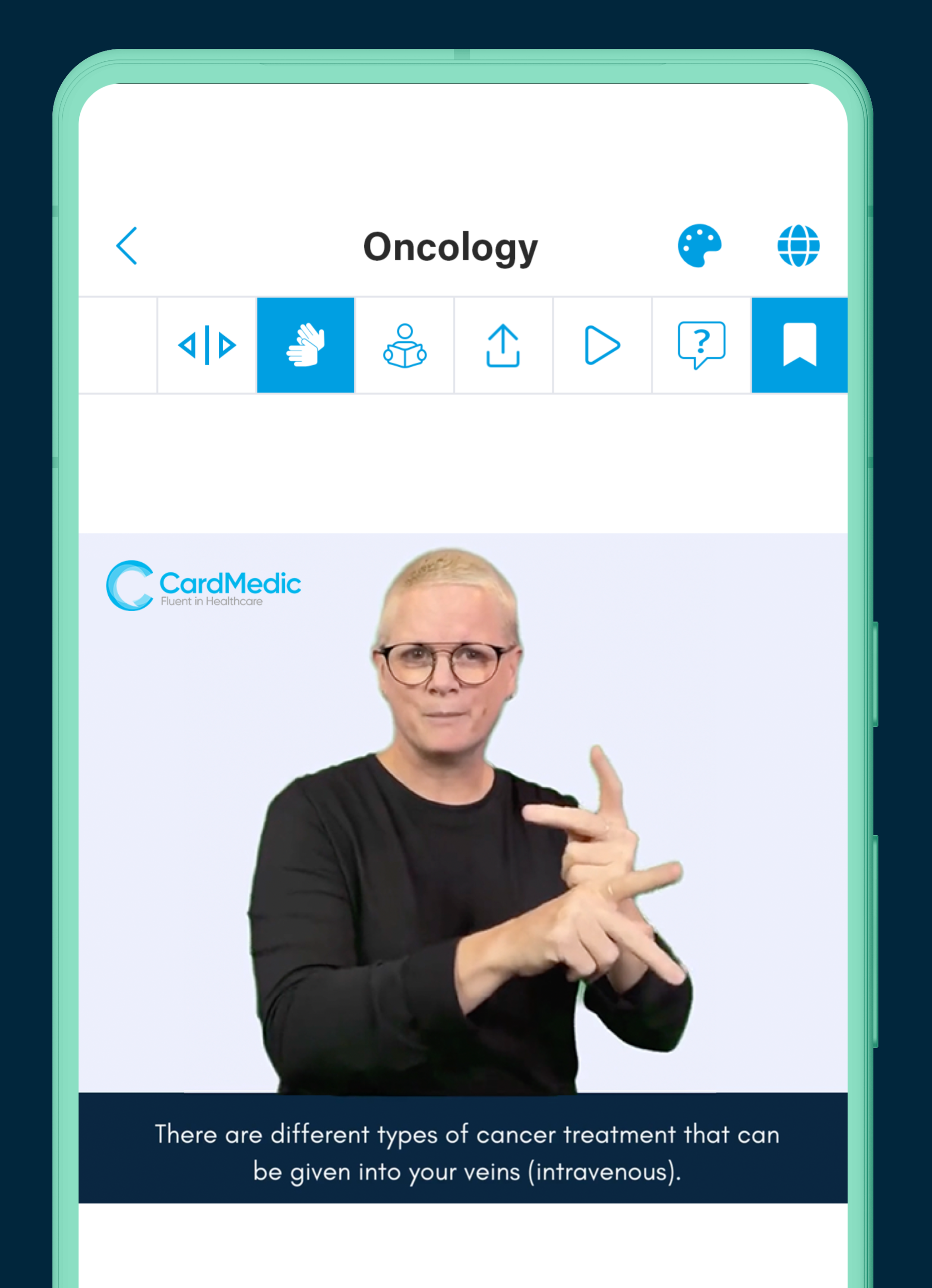
CardMedic is a multi-award-winning communication tool designed to improve the transfer and understanding of vital information between healthcare staff and patients, across any barrier – whether visual, hearing or cognitive impairment, foreign language or PPE. Used by thousands of healthcare professionals in organisations across the UK and US, CardMedic gives frontline staff instant access to live interpreters and 1000s of clinically interpreted interactions in 200+ languages, and features multi-lingual live chat, AI video, and content in sign language, easy read and read aloud formats. CardMedic is available in multiple NHS Trusts across the UK and growing.
Tell us a bit about your background and your projects so far.
I’m Dr Rachael Grimaldi, an adult and paediatric NHS anaesthetist, Co-Founder and Chief Medical Officer of CardMedic, and a Fellow on the NHS Innovation Accelerator and NHS Clinical Entrepreneur Programme. My work combines clinical practice with digital health innovation. CardMedic, the solution I co-founded, is a digital healthcare communication platform designed to overcome language, cognitive, and sensory barriers at the point of care. It has grown rapidly since its 72-hour launch during the COVID-19 pandemic, now supporting tens of thousands of users across the UK, US, and internationally. I’ve also been involved in patient safety projects, including developing safer ICU handovers, and served as Associate Medical Director for the Brighton Marathon.
How did you get into this industry? Has it been an easy industry to get into or have you had many challenges?
My journey into digital health stemmed from my experience as an NHS anaesthetist. During the pandemic, I read about a patient who couldn’t understand clinicians through PPE (personal protective equipment), and I realised this reflected a long-standing problem in healthcare: communication barriers that create inequities. This inspired me to co-create CardMedic with my husband, Tim. Getting into health tech has been exciting but challenging, particularly balancing clinical work with building a start-up, navigating NHS procurement processes, and fundraising, which can be time-consuming and complex.
How long did it take you to be where you are now? What was the biggest obstacle? What are the challenges of being in the industry you are in?
From the initial concept to launching CardMedic took just 72 hours. However, building it into a scalable, multi-award-winning platform has been an ongoing journey over several years. One of the biggest obstacles has been navigating NHS procurement, which can be slow, and securing funding while maintaining focus on clinical and product development. Challenges in this industry include ensuring solutions are evidence-based, widely adoptable, and genuinely address patient needs while also scaling sustainably in healthcare systems.
What are your biggest achievements to date?
I’m proud of taking CardMedic from an idea to a clinically validated, internationally used platform. We’ve won multiple awards, including US MassChallenge and She Loves Tech, and have been recognised by Fast Company as one of the Most Innovative Companies in the World. CardMedic is now implemented in over 10% of NHS Trusts, and recognised within NHS England’s Patient Safety and Health Inequalities Reduction Framework. Personally, combining clinical practice with building a social impact start-up that directly improves patient safety and equity is incredibly rewarding.
What are the projects you are currently working on?
Currently, we’re scaling CardMedic across the NHS and internationally, as well as integrating it into electronic health records and developing innovative interpreter services with language service providers to ensure healthcare teams have the most effective communication support platform possible. We’re also expanding multilingual content and improving accessibility for neurodivergent patients. Our goal is to create an end-to-end communication platform that ensures equitable, safe, and patient-centred care for everyone, regardless of language or ability.
Is the #WomenInTech movement important to you and if yes, why?
Absolutely. Representation matters. As a woman co-founding a tech start-up in healthcare, I know first-hand how critical it is to have role models, mentorship, and networks that empower women to enter and thrive in technology. Initiatives such as #WomenInTech help break down barriers, highlight success stories, and ensure the sector benefits from diverse perspectives—something that ultimately drives innovation and better outcomes for patients.
What will be the key trends in your industry in the next five years and where do you see them heading?
Digital health will continue to focus on improving access, equity, and patient-centred care. I predict we will see more integration of AI and language services and seamless integration into electronic health records. There should be a stronger emphasis on addressing social determinants of health and reducing inequalities, as these use up precious healthcare resources. Technology will increasingly enable patients to make informed decisions about their care. I see health tech increasingly combining clinical expertise with innovation to deliver scalable, globally relevant solutions.
What is the most important piece of advice you could give to anyone who wants to start a career in this industry?
First, make sure you are passionate about the problem you are trying to solve — it will take all your time and energy. Second, surround yourself with people who complement your skills; you don’t have to have all the answers. Finally, don’t over-plan: get your solution into the world quickly to gather honest feedback, then iterate and improve.
Who are three inspirational women in your respective industry you admire?
Many inspirational women are working in our industry. Here are just three of the ones I know:
Gemma Poole, a fellow NHS Clinical Entrepreneur, is committed to reducing health inequalities. As Founder of The Essential Baby Company, she is advancing maternal health projects for Black and Brown women and birthing people, while delivering equity-driven training for healthcare and birthing professionals. Her work on maternity care equity and inclusion, as well as her contribution to NHS innovation discussions, are awe-inspiring.
Another fellow NHS Clinical Entrepreneur, Ruby Jackson, is a pioneering midwife who is dedicated to tackling structural racism in maternity care. Ruby shares my passion for using innovation to improve health equity. Her Melanatal app is a digital health tool that helps clinicians and birthing people recognise maternal and neonatal conditions, such as jaundice, cyanosis, and pre-eclampsia, on Black and Brown skin.
And then there’s the brilliant Rachel Murphy, whose entrepreneurial experience is invaluable, not just practically but personally, to founders like me. As a twice-exited founder, she now leads The Grafter, which provides us with unparalleled guidance and insight as we scale our business in health technology. Her support has been nothing short of extraordinary.
Find out more about CardMedic on their website.
If you want to share your story with us and be featured on our WoW Women blog, get in touch.