WoW Woman in Health Tech - Dr. Anna McKeogh, co-founder of RMDY Room
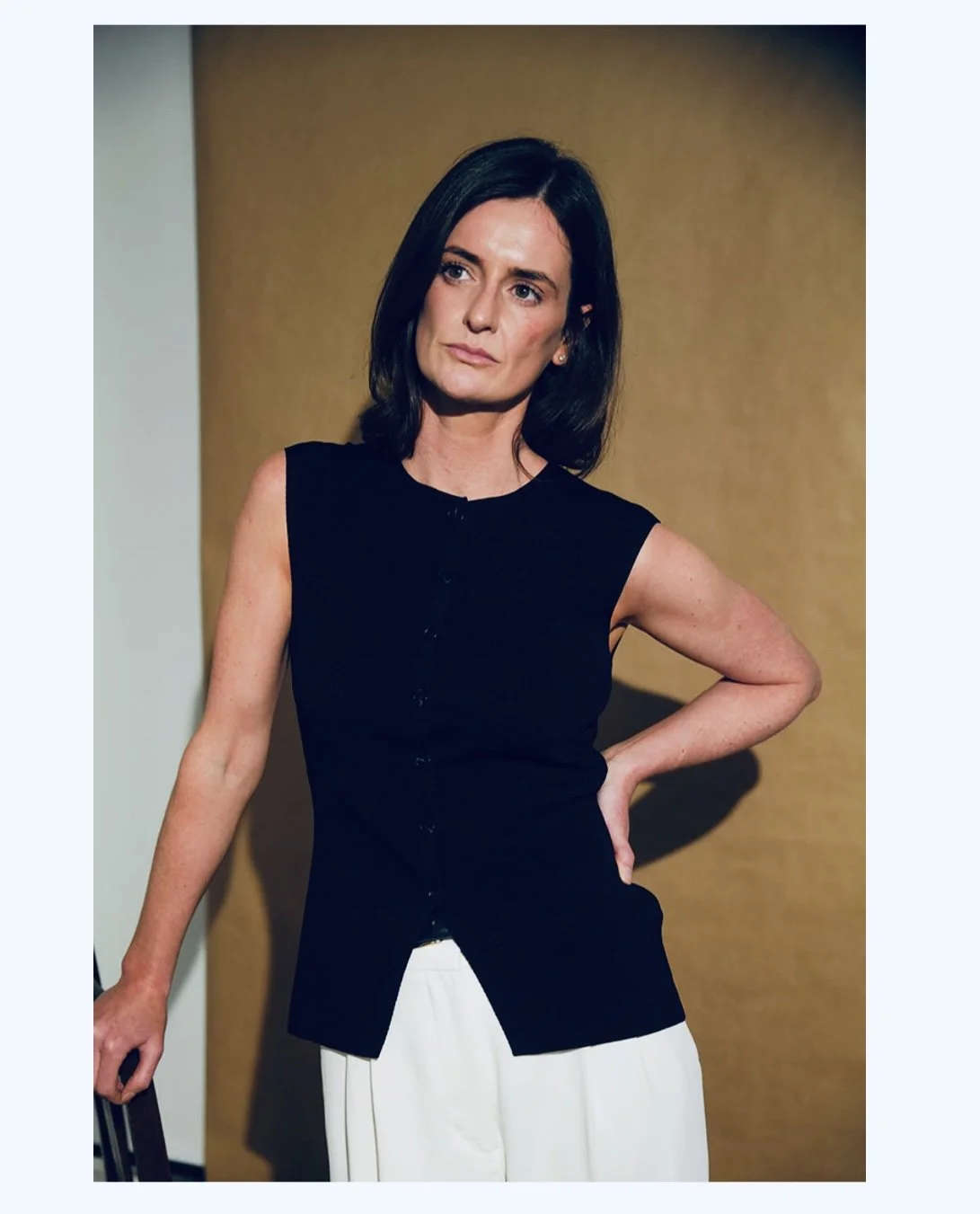
Dr. Anna McKeogh is a London-based GP & Population health lead, with a passion for making healthcare feel more human and accessible. Originally from Ireland, her career has taken her across the UK and Australia, shaping her global perspective on wellbeing. She holds an undergraduate degree in Medicine, completed postgraduate clinical training in General internal medicine before moving to General Practice, and earned a Master’s in Public Health. She has also pursued further learning in AI in healthcare at Massachusetts Institute of Technology, reflecting her interest in the future of medicine.
Alongside her clinical work, she is the Co-Founder of RMDY Room, a platform rethinking how we connect with health and wellness services. Anna believes that good health starts long before the doctor’s office, rooted in lifestyle, balance, and everyday habits. Her approach is influenced by her yoga teacher training in India, where she explored the connection between mind and body. A former member of the Irish showjumping team and a keen marathon runner, she brings discipline and resilience into every aspect of her life. She blends scientific expertise with a modern, holistic approach to care, focusing on prevention and patient empowerment.
RMDY Room is a digital healthcare and wellbeing marketplace designed to make accessing trusted care simple, transparent, and intuitive. Founded by NHS GPs, the platform connects patients with vetted healthcare and holistic providers, allowing them to discover services, compare pricing, read reviews, and book seamlessly in one place. It responds to a growing need for more flexible, hybrid healthcare—bridging the gap between NHS and private options. RMDY Room also supports clinicians by increasing their visibility without adding to their workload, enabling them to focus on delivering care. Ultimately, it aims to create a more connected, patient-centred healthcare experience.
Tell us a bit about your background and your projects so far.
I’m a GP and Population Health Lead based in London, and I care deeply about making healthcare feel more human and accessible.
Originally from Ireland, my career has taken me across the UK and Australia, which has really shaped how I think about health and wellbeing.
I trained in Medicine, started out in General Internal Medicine, and eventually moved into General Practice. Along the way, I also completed a Master’s in Public Health and spent some time studying AI in healthcare with the Massachusetts Institute of Technology, which sparked my interest in where medicine is heading next.
Alongside my clinical work, I co-founded RMDY Room, a platform designed to make it easier for people to find and connect with trusted health and wellness services.
At the heart of it all, I believe good health starts long before you ever step into a doctor’s office. It’s built through everyday habits, balance, and lifestyle. My perspective has also been shaped by yoga teacher training in India, where I explored the connection between mind and body.
Outside of medicine, I used to compete as part of the Irish showjumping team, and I still love running marathons. Those experiences have definitely shaped my mindset, discipline, resilience, and consistency carry through into everything I do.
I try to bring all of this together in my work, combining science with a more modern, holistic approach to care, with a strong focus on prevention and helping people feel more in control of their health.
How did you get into this industry? Has it been an easy industry to get into or have you had many challenges?
I didn’t set out to move into med tech, it really grew naturally from my work as a GP.
Working closely with a colleague (who’s now my co-founder), I started noticing a shift in how patients were accessing care. More and more people were mixing NHS and self-funded options, often because of long wait times or difficulty getting access.
At the same time, I kept running into the same problem, there wasn’t a single place I felt confident sending patients who were looking for more holistic support. It became a real frustration in day-to-day practice.
As we started speaking to more healthcare providers, it became clear the problem went both ways. There are so many brilliant practitioners out there, but many struggle with visibility, building a website, managing their presence, and doing all of that on top of a busy clinical role.
That’s really where the idea for RMDY Room came from. We wanted to create something that makes it easier for patients to find trusted providers, while also supporting clinicians so they can focus on what they do best, delivering care.
Moving from clinical medicine into med tech and building a business definitely hasn’t been straightforward, but I’ve really enjoyed the process of learning as I go. At the core of it all is a simple goal: making healthcare more accessible, transparent, and connected.
How long did it take you to be where you are now? What was the biggest obstacle? What are the challenges of being in the industry you are in?
My journey to where I am now has been pretty fast-paced, but also very intentional.
Over the past six months, my co-founder and I have been focused on building something we’re genuinely proud of, a product that really reflects both our clinical experience and our vision for healthcare that is easy to access.
One of the biggest challenges has been visibility. We really believe in what we’re building, but getting the word out in such a busy and fast-moving med tech space hasn’t always been easy. A big part of the journey has been finding that balance between growing at the right pace and staying true to what we set out to do.
Working at the intersection of healthcare and tech definitely comes with its complexities. There’s a lot to navigate from regulation, to building trust with both patients and providers, to constantly adapting as needs evolve.
What are your biggest achievements to date?
My biggest achievement so far has definitely been building RMDY Room.
In a pretty short space of time, my co-founder and I have taken it from a simple idea we noticed in clinical practice to something real that people can actually use. I’m really proud of how far we’ve come, especially knowing it’s solving a genuine gap in healthcare.
For me, it’s been about bringing together clinical insight and innovation, and finding better ways to help people access the care they need.
But beyond the platform itself, the whole journey has meant a lot, learning as we go, adapting, and building something meaningful from the ground up. That, in itself, feels like a big achievement.
Is the #WomenInTech movement important to you and if yes, why?
The #WomenInTech movement is something that really matters to me. I’ve been lucky to work alongside some incredible women along the way so far.
At the same time, I’m very aware there’s still a gap, especially when it comes to female founders and access to funding and it’s something I’d really like to see change.
Being part of this space feels both exciting and important. For me, it’s not just about building something impactful, but also about being part of a wider shift, creating more visibility, support, and opportunities for other women coming into the industry.
What will be the key trends in your industry in the next five years and where do you see them heading?
Over the next five years, I think we’ll see a big shift in UK healthcare, moving away from hospital-based, reactive care towards something that’s more community-based, preventative, and digitally enabled.
That’s already pretty clear in the direction the NHS is heading, with a focus on three big changes: care moving out of hospitals and into the community, a shift from analogue to digital, and a stronger emphasis on prevention rather than just treating illness. It also means more care happening closer to home and giving patients more control.
I also think we’ll continue to see people becoming more informed and proactive about their health. With ongoing access challenges, there’s a growing demand for faster, more transparent ways to get care, clearer information, and the flexibility to combine NHS and self-funded options when needed. That’s naturally increasing the need for trusted platforms that help people find the right provider and understand their choices more confidently.
In the complementary and integrative health space, I see things moving away from “fringe wellness” and towards something much more credible and evidence-based, focused on whole-person care.
We’re already seeing this shift in patient behaviour. A 2026 BMJ Open survey found that around 66% of UK adults had used some form of complementary or integrative medicine in the past year, which shows this is already quite mainstream, even if services haven’t fully caught up yet.
Where I think this is heading is towards much better integration. Things like lifestyle medicine, nutrition, mind-body approaches, and recovery support sitting alongside conventional care in a more joined-up, coordinated way, especially where there’s strong evidence and clear outcomes. This really aligns with the wider NHS focus on prevention and more holistic models of care.
As all of this grows, trust, compliance, and quality will become even more important.
What is the most important piece of advice you could give to anyone who wants to start a career in this industry?
My advice is pretty simple: just start.
There’s never going to be a perfect moment or a fully mapped-out plan, and that’s okay, what really matters is taking that first step.
For me, getting into health tech has been about talking to people, making connections, and figuring things out as I go. You learn a lot more by doing than by waiting until everything feels certain.
The best place to start is with a real problem, something you’ve seen or experienced yourself. If it matters to you, that’s more than enough.
Once you get going, things tend to build from there. Momentum comes, opportunities open up, and the next steps start to feel a lot clearer.
Who are three inspirational women in your respective industry you admire?
I take a lot of inspiration from women doing incredible things across tech, AI, and digital healthcare.
One that really stands out to me is Melanie Perkins; Canva. Her story really resonates, starting with a simple, widely shared problem and turning it into something with global impact.
In women’s health, I really admire Deirdre O’Neill; Hertility, for tackling the long-overlooked gaps in reproductive health and bringing more attention to an area that’s been underserved for so long.
I’m also really inspired by Tania Boler; Elvie, who’s completely redefined women’s health products and broken taboos through smart, thoughtful design.
What connects all of them, for me, is their ability to spot real problems, often ones that don’t get enough attention, and build solutions that genuinely make a difference in people’s lives.
Find out more about RMDY Room on their website.
Follow Dr. Anna McKeogh on Instagram.

If you want to share your story with us and be featured on our WoW Women blog, get in touch.