
Oli secures $6.5M to advance predictive maternal and fetal monitoring ahead of market entry
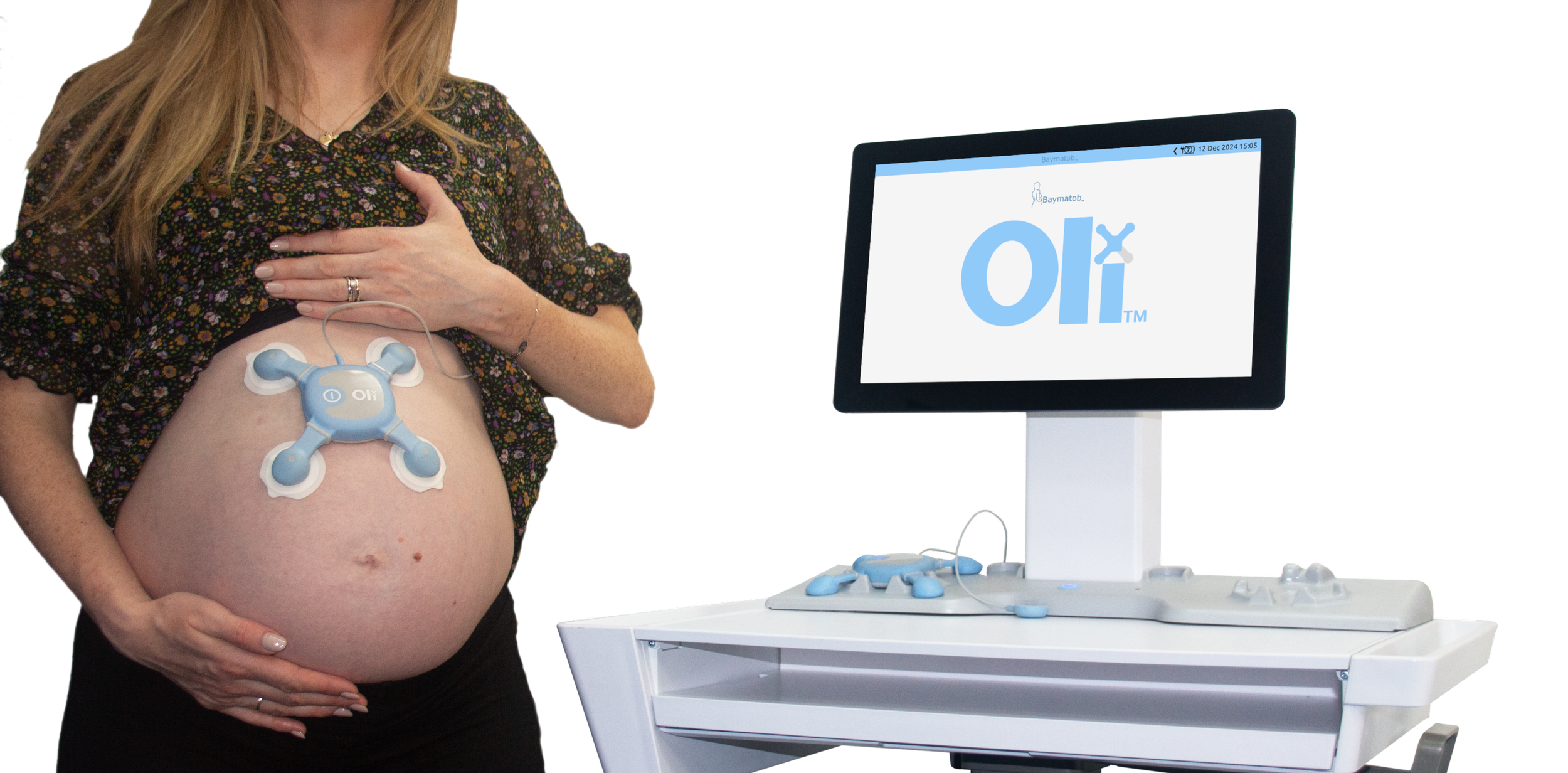
Oli, a wireless, wearable device that monitors maternal and fetal signals, has secured $6.5 million in funding to accelerate development of its technology and support regulatory and clinical progress across Australia and the United States ahead of launch.
The funding will support the completion of pivotal clinical trials underway across seven sites in Australia and the United States, the advancement of regulatory submissions with the Therapeutic Goods Administration (TGA) and the U.S. Food and Drug Administration (FDA), as well as business operations, and the establishment of manufacturing operations and headquarters in Australia.
The Series A3 round, backed by Scale Investors, Clare Ventures and The University of Sydney, follows a $1.8 million Series A2 in 2024 and a $4.7 million Series A in 2022. To date, Oli has raised $13 million in private capital, alongside more than $9.5 million in non-dilutive grants.
“This funding marks a significant step forward in our mission to improve maternal and fetal outcomes at scale. In birth rooms today, the monitoring meant to protect the room is failing the people in it - losing contact with mother and baby, misfiring, and demanding constant attention from the team it was supposed to free. The care is there, the expertise is there, but what’s been missing are the predictive signals - early enough, clear enough, and trusted enough to act on,” said Tara Croft, CEO at Oli.
“Oli was built for everyone in the birth room - the mother and baby, the clinicians and the facility. It signals what’s coming and when it’s time to act, before an emergency arrives. But otherwise, it works quietly in the background, allowing each moment to unfold without interruption, resulting in a birth with less noise, more clarity and an experience that belongs to the people in the room,” added Croft.
Founded in 2018 by mechatronic engineer Dr Sarah McDonald, following the traumatic birth of her second child, Oli was created to address a critical gap in maternal and fetal care. Despite advances across healthcare, maternal and fetal monitoring has remained largely unchanged for over 60 years. Clinicians still rely on the same three rudimentary biomarkers, using retrospective information, with risk assessed on admission and often not updated until something has already gone wrong.
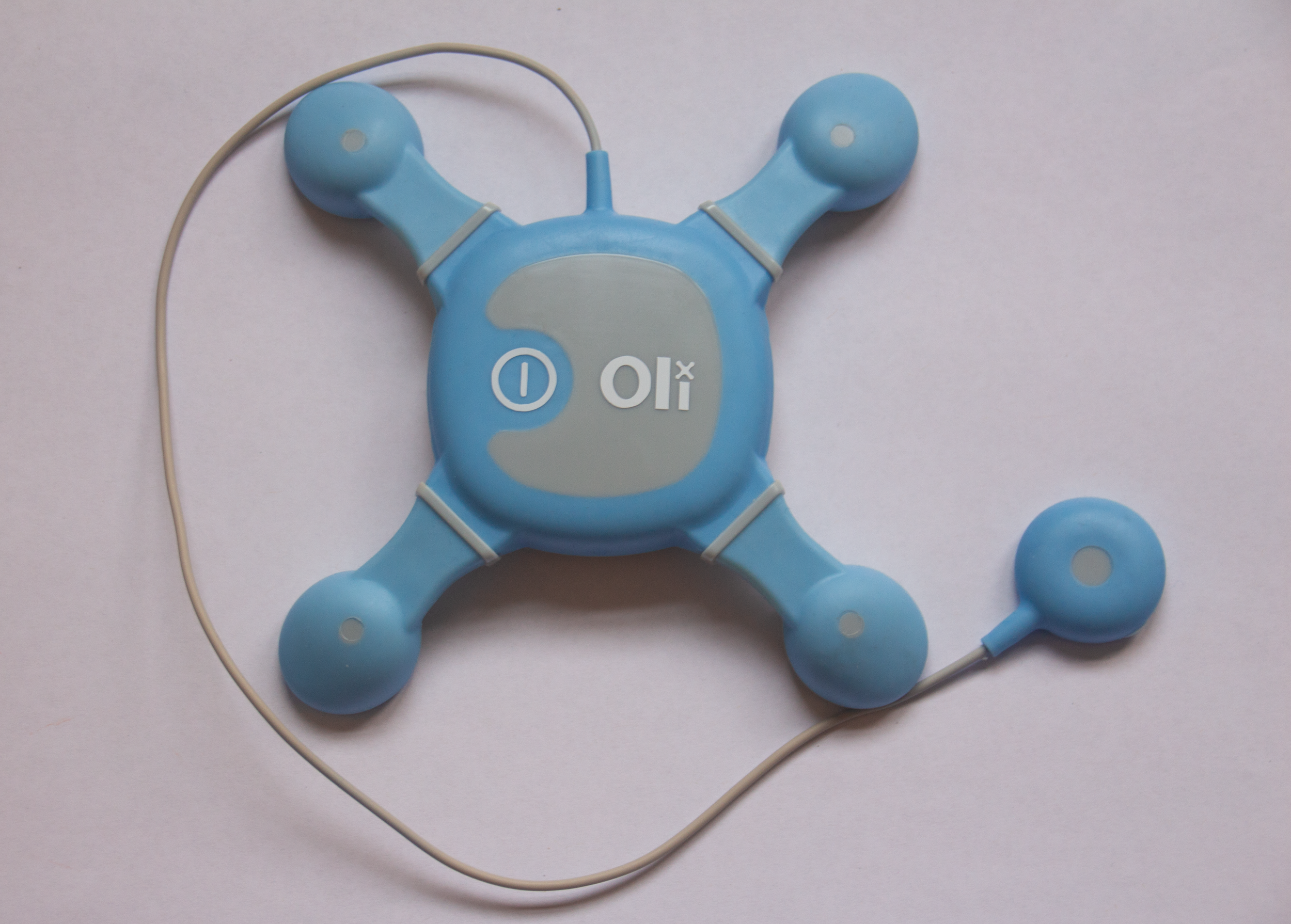
At its core, Oli is a wireless, wearable device that captures millions of physiological data points across 10 biosensors - maternal and fetal, simultaneously - without interrupting movement, position, or the natural progression of labour. This data is processed through its patented Predictive Maternal-Fetal Signal technology, translating raw inputs into live clinical signals that update as labour progresses, identifying early patterns that precede serious complications. Every birth Oli attends makes the Maternal Intelligence Platform more comprehensive as it aggregates data and signals across births, refining predictive accuracy further over time.
Oli aims to have the ability to analyse up to fifteen conditions and complications across pregnancy and birth, including postpartum haemorrhage (PPH), fetal distress, stillbirth risk and labour progression.
"Birth is not a crisis to be managed, but it carries risks that deserve to be seen. All of them, in real-time. That's what Oli’s predictive technology is achieving - no more blind spots in maternal and fetal care," added Croft.
Oli’s first clinical application focuses predominantly on PPH, defined as excessive bleeding following childbirth, typically over 500 mL after a vaginal birth. PPH is one of the leading causes of maternal death globally, with a mother dying every seven minutes as a result, despite up to 93% of these being considered preventable with earlier intervention.
Oli’s technology is designed to predict the onset of PPH before it begins, in contrast to today’s approach, whereby the condition is typically diagnosed only after significant blood loss has occurred. Early warning using Oli can be provided at least one hour before birth, and in some cases up to nine hours prior, enabling preventative and proactive care.
For PPH, early clinical simulations completed in 2023 indicated that Oli could improve clinical response times by up to 58% and reduce severe interventions such as hysterectomies and blood transfusions by up to fifty per cent.
Oli is currently undertaking multi-site pivotal clinical trials across Australia and the United States, in partnership with leading hospitals and research institutions, to further validate its technology at scale and support regulatory approval.
Oli’s dual-market strategy positions Australia as a key launchpad for clinical adoption and innovation, while targeting the significant scale opportunity in the United States, where rising maternal mortality and PPH rates are driving urgent demand for data-driven, preventative care solutions.