
Breaking the Endometriosis Diagnosis Deadlock: Austrian Startup Diamens Raises Funding to Pioneer the First Menstrual Blood-Based Diagnostic Test
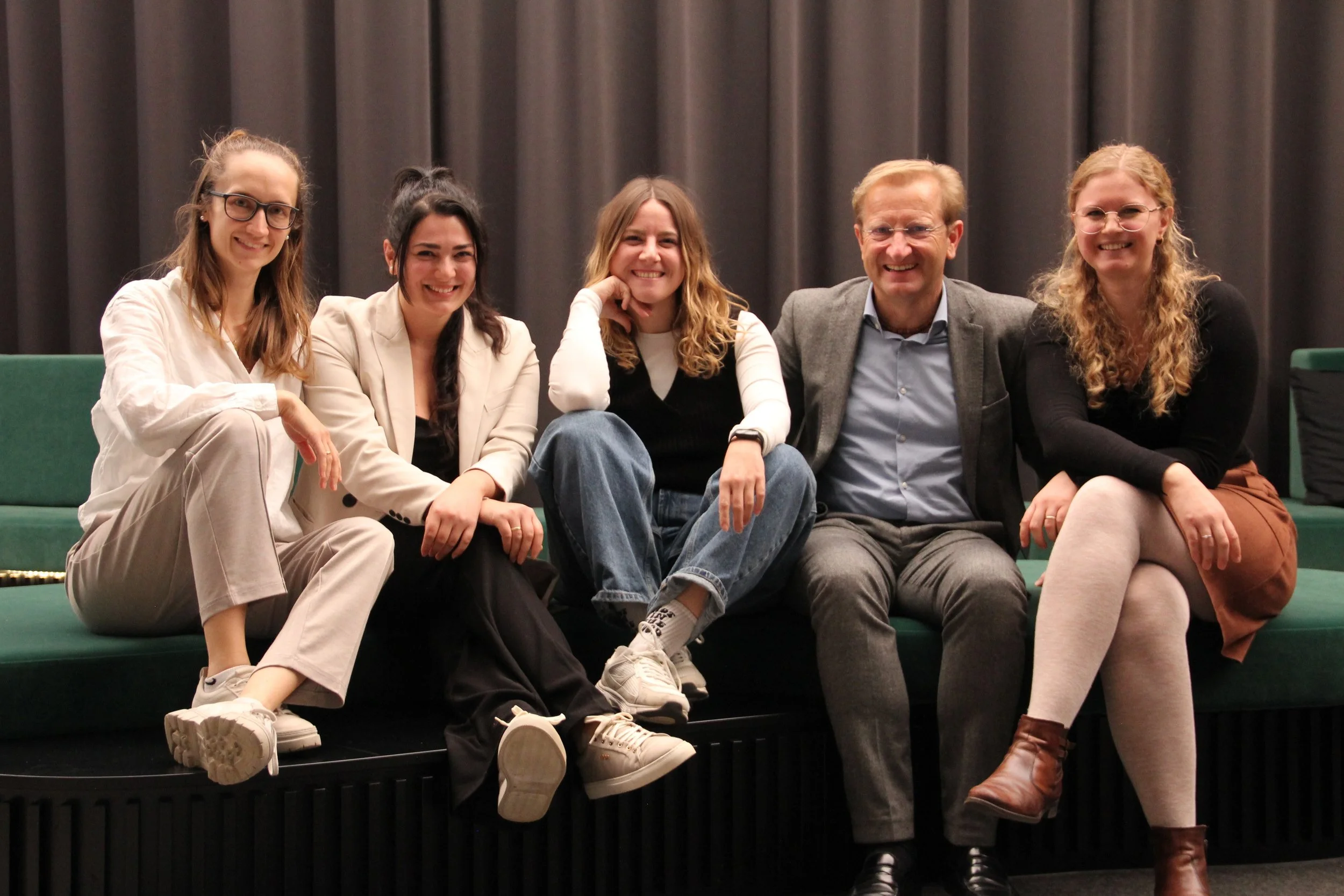
Austrian HealthTech startup Diamens is setting a new benchmark in women’s health. The female-led company has successfully closed its financing round to accelerate the certification of the world’s first molecular diagnostic test for endometriosis using menstrual blood. The round is led by eQventure, with support from VP Venture Partners (Zurich), FS Life Science Investment (Düsseldorf), and VGW Beteiligungs GmbH (Linz).
When Pain Becomes the norm: The unseen Burden of Endometriosis
Endometriosis is more than “just menstrual pain”. It is a chronic, often systemic condition affecting the lives of nearly 190 million women worldwide – about one in ten. The disease induces growth of endometrium-like tissue outside the uterus, leading to chronic pain, inflammation, organ adhesions, and infertility.
But the real tragedy is not only the pain, but also the long delay until diagnosis and the resulting reduced quality of life: on average, those affected go through a seven-year odyssey of misdiagnoses and misunderstanding while suffering from chronic symptoms. Today, laparoscopy under general anesthesia remains the diagnostic gold standard – a costly, invasive procedure many hesitate to undergo. Yet early diagnosis is critical: timely treatment can significantly reduce symptoms, protect organ function, and improve long-term quality of life.
A Diagnostic Breakthrough Hidden in Plain Sight: Menstrual Blood
Diamens turns a traditionally overlooked material into a powerful diagnostic tool: menstrual blood.
“Menstrual blood is a molecular fingerprint of the uterus—yet its diagnostic potential has been completely overlooked in modern diagnostics,” says Clara Ganhör, COO and Co-Founder of Diamens.
The startup’s bioinformatics pipeline enabled the identification of robust molecular markers for endometriosis, which were subsequently validated in menstrual blood samples. The test is designed for convenient use: patients collect a small menstrual blood sample at home, which is then analyzed in a laboratory using PCR – a method that proved itself millions of times over during the COVID pandemic.
The result? Clarity without surgery, anaesthesia, or endless delays, and a critical gateway to appropriate care.
“Diamens is addressing an urgent need: a scientifically outstanding team is tackling a major gap in healthcare with a highly scalable solution,” says Bernhard Ungerböck, Partner at eQventure. “The combination of urgent medical relevance, technical sophistication, and market potential is exactly what we are looking for. We are convinced that this test will redefine the gold standard in gynaecology.”
From Research to Readiness: Funding the Next Milestone
The newly secured investment, combined with public grants from programs such as the Austrian FFG Basisprogramm, will directly support clinical validation and European certification.
“In our ongoing multicenter study, we’re already seeing consistent positive feedback around sample collection and shipping,” explains Marlene Rezk-Füreder, CEO and Co-Founder. “The time has come to make women’s health radically accessible and data-driven.”
Science, Vision, and Clinical Expertise
Diamens was founded by a team of experienced scientists, entrepreneurs, and clinicians: Marlene Rezk-Füreder (CEO), Eva Scharnagl (CTO), Clara Ganhör (COO), and Angelika Lackner (CSO) lead operations and bring expertise in biomedical research, informatics, regulatory strategy, and business development.
Univ.-Prof. Dr. Peter Oppelt (CMO), a leading European endometriosis expert, serves as the team’s clinical lead.
About Diamens
Diamens FlexCo is a female-led HealthTech startup founded in Linz, Austria, in 2024. The company is pioneering menstrual blood-based diagnostics with the goal of transforming how gynaecological conditions are detected and treated.
Diamens has been widely recognized in the European startup landscape, receiving awards including “Spin-off of the Year” at the EY Scale-up Award 2025 and the Brigitte Bierlein Women’s Prize.