
WoW Women in FemTech - Maria Porcellato, Carolyn Plican and Dr. Mary Ellen Haggerty from EndoDiagnosis
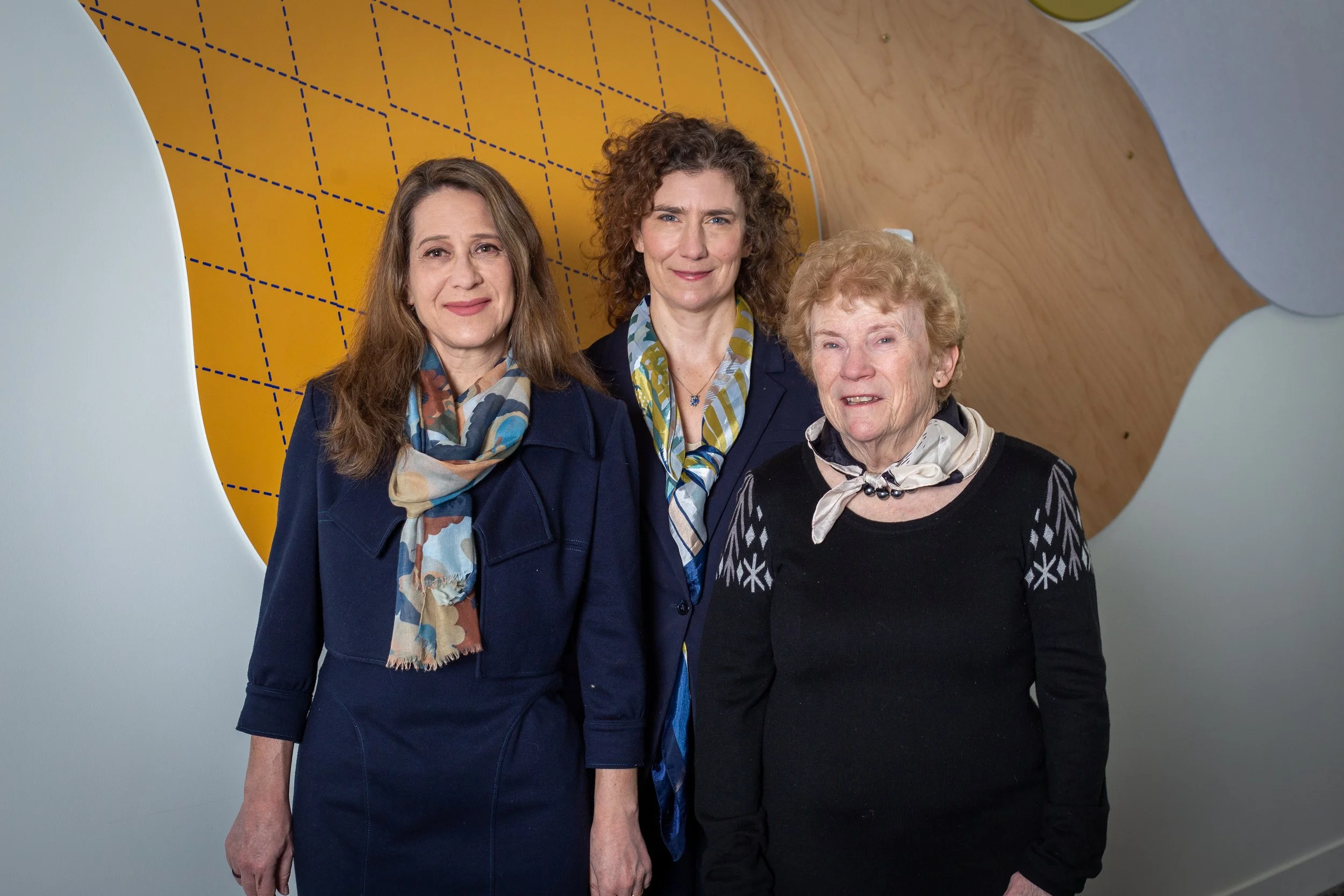
Maria Porcellato (CEO), Carolyn Plican (COO), and Dr. Mary Ellen Haggerty—an Alberta-based, women-led healthcare team—knew from personal and professional experience that the Canadian healthcare system was failing women. They first took action by becoming endometriosis advocates and later brought diagnostic solutions to Canada by becoming the Canadian distributor for ENDOSURE, the world’s first Tier 1 non-surgical endometriosis diagnostic test. With its head office in Edmonton, Alberta, the team was the first to introduce this medical device into Canadian gynecology clinics. Their mission is to raise awareness of endometriosis, improve access to diagnostics and treatment, and help stop disease progression.
EndoDiagnosis is a Canadian medical device distributor featuring Femtech, including ENDOSURE, the world’s first tier-one, non-invasive endometriosis diagnostic test. Their mission is to provide access to early and rapid endometriosis diagnosis, treatment and awareness to stop complications of disease progression.
Tell us a bit about your background and projects so far.
Everyone on our team has a background in healthcare, more specifically in the field of restorative fertility. As mothers and clinicians, we are also women advocating for other women. Our different strengths and experiences in medicine, business, and digital analytics were crucial in making the decision to start a medical device distributorship. Early projects we took on to grow and develop the company were the Endometriosis: A to Z podcast, working and meeting with endometriosis influencers and advocates, speaking on endometriosis at the University of Calgary’s Cumming School of Medicine spring conference, sponsoring a student advocate and business development officer through the Université Laval as part of the Quebec Trade Mission Program, and lastly the Ontario Endo Road Show. Our focus has been on women with endometriosis, because for them it means finding an answer, precision medicine management, limiting the deterioration of their quality of life and protecting future fertility.
How did you get into this industry? Has it been an easy industry to get into or have you had many challenges?
Volunteering at a restorative fertility medical conference is what gave us exposure to the ENDOSURE diagnostic technology. It also introduced us to a number of other FemTech-related companies and devices. With our backgrounds in women’s health, we knew that ENDOSURE was a game-changer for women with endometriosis, dropping the diagnostic gap from 5.3 years to 30 minutes. We also knew that there were many other great medical devices, services and collaborative opportunities for future consideration. We jumped on the chance to visit the ENDOSURE manufacturer to learn more. There was considerable overlap with our clinical knowledge and business experience, which gave us the confidence and courage to move forward. However, becoming a medical device distributor did not happen overnight. The learning curve has been enormous, and there was a lot of groundwork that had to be done. We met many challenges, especially those that were out of our wheelhouse. We surrounded ourselves with people we could trust to overcome our obstacles. It was a matter of courageously taking the first step, focusing on the positives we had each day, and building on our successes. Did we make mistakes? Of course, we did, but more importantly, we learned from them. Through them, we became stronger and more determined. With one in ten women suffering from endometriosis, we recognized the possibility to scale and help many more women than we ever imagined. It was an opportunity we could not pass up.
How long did it take you to be where you are now? What was the biggest obstacle? What are the challenges of being in the industry you are in?
We had a head start with our careers and experience, so it did not take as long as expected. In addition, we had a number of friends and family who were successful in business and gave us great advice. You can never be shy to ask questions and must be willing to learn new things. We began by becoming an advocacy group for women with endometriosis. Both of us had daughters who struggled with this chronic disease. We saw firsthand how difficult it was for women to be taken seriously about their pain, let alone get a proper diagnosis and treatment. We made the decision to incorporate in August of 2024, and by December of 2024, EndoDiagnosis became the manufacturer’s agent for ENDOSURE. Every day, we were a step closer to our goal through gaining more experience and networking with government, businesses, and clinicians. We celebrated our daily successes, no matter how small. It was apparent that a medical device distributorship would provide more flexibility and opportunities, so we decided to take on this role in July 2025. One of the biggest obstacles we faced was the Canadian publicly funded and struggling medical system. Changing the mindset of clinicians that there was a better way for endometriosis diagnosis and resistance to change were and still remain our biggest challenges. Raising awareness that endometriosis diagnosis is no longer surgery-dependent is a big shift in thinking. While everyone seems to agree that early diagnosis is essential in preventing progression and complex disease in things like cancer, it’s strangely not so when it comes to endometriosis.

What are your biggest achievements to date?
Our biggest achievement so far has been being the first company to bring non-invasive diagnostic endometriosis technology to Canada through two gynecologist-led clinics that provide ENDOSURE testing. These two medical specialists have championed this technology, laying the foundation for more clinics to begin offering this rapid and life-changing diagnostic test. Some of the women who have accessed the ENDOSURE test have already gone on to have it surgically removed and achieved pregnancy goals as a result. In such a short period of time, it has had a profound effect on women and their families.
What are the projects you are currently working on?
We are currently working alongside a number of different partners to raise endometriosis awareness through educational programs. YEG Parents magazine to educate and bring awareness to the public through the Women’s Health Symposium. This is a public event being planned for April 2026 to educate and showcase femtech devices and women’s gynaecological health solutions. Partnering with Health Cities to bring forward women’s health technology to communities across Alberta is our next big project this spring. Lastly, EndoDiagnosis is in the process of developing a charitable arm to further help women in need.
Is the #WomenInTech movement important to you and if yes, why?
We are a part of FemTech Canada, which aims to “inspire and support entrepreneurs in women's health innovation by connecting companies with the resources they need”. By nature, women share and lean on each other when times are tough, and healthcare is no exception. In this case, the support network and opportunities to discuss and learn from each other are so valuable and greatly appreciated. There is nothing harder than trying to contact decision makers to grow your business. This group provides a venue to communicate freely and meet a lot of wonderful women, all with a common goal.
What will be the key trends in your industry in the next five years and where do you see them heading?
In the next five years, key trends in the medical device industry will need to focus on prevention, at-home diagnosis, and treatment solutions. Public health care systems, in particular, are heavily burdened with wait lists. Spending is out of control and unsustainable. Instead of playing the gatekeepers, the health care system should be thinking of ways to close health gaps by working together with patients. Clearly, the current model for health care is not helping women. We need to change course or experience more of the same.
What is the most important piece of advice you could give to anyone who wants to start a career in this industry?
The most important piece of advice I could give is to practice true reciprocity. When service to others is the priority, everyone wins. Over the years, I have observed movements or groups that are designed and structured to benefit only a few. Avoid draining your finances, time and energy on too many group meetings and conferences. Donate more of your time and resources one-on-one through simple yet very effective actions like making warm introductions or promoting their work through your contacts, online platforms, website, or at a conference. If we help each other even in small ways, success will follow as a result of embracing the spirit of generosity and gratitude.
Who are three inspirational women in your respective industry you admire?
The first of many inspirational women to come to mind is our medical advisor, Dr. Mary Ellen Haggerty. I have great admiration for her as the first female physician in Canada to bring forward restorative fertility solutions through a program that truly listened and healed women. Other physicians and clinicians, including myself, were inspired by her to continue this work. Secondly, Dr. Kathleen Copeland overcame multiple life-threatening endometriosis complications, such as cancer, and has raised awareness on the role of eating disorders in endometriosis. It is through her contributions that the restorative fertility field continues to be successful in educating and training health care professionals. Lastly, Georgia Craig took an extremely sad situation with her daughter, Courtney, and turned it into something positive through her advocacy work. All these women have provided EndoDiagnosis with the encouragement to never give up.
Find out more about EndoDiagnosis on their website.