WoW Woman in Women's Health - Patricia Szczepanska, founder of Veya Collective
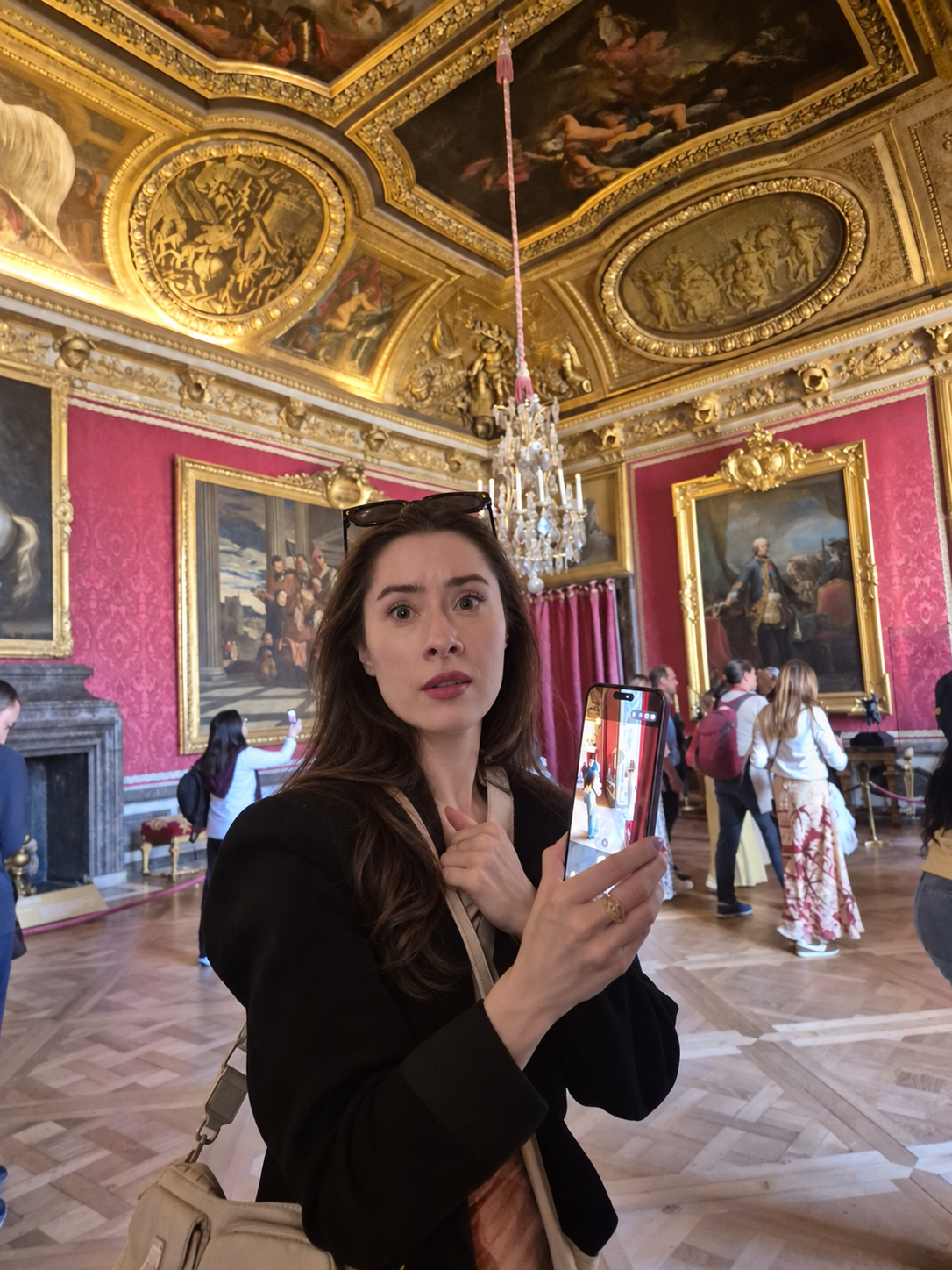
Patricia Szczepanska is the founder of Veya Collective, a women’s wellbeing company building a more intelligent, connected and personalised way to understand wellbeing over time. Before moving into healthtech, she spent over a decade working in film production, where she learned how to turn complex ideas into global experiences people can actually connect with. Her interest in women’s wellbeing came from lived experience: watching her mum struggle through menopause with little meaningful support, dealing with her own misdiagnoses around PMS and a miscarriage, and seeing how often women are left to piece together answers across different apps, symptoms and life stages.
She founded Veya to change that.
Patricia is particularly interested in the space where technology, psychology, biology and everyday life meet — and in building products that genuinely understand context and what's normal for each individual rather than simply collecting more data. She is currently leading Veya through product development, early commercial partnerships and pre-seed fundraising, while building a team around the company’s long-term vision. Her approach is ambitious but practical: start with women, solve the fragmentation properly, and build intelligence that becomes more useful the longer it knows you.
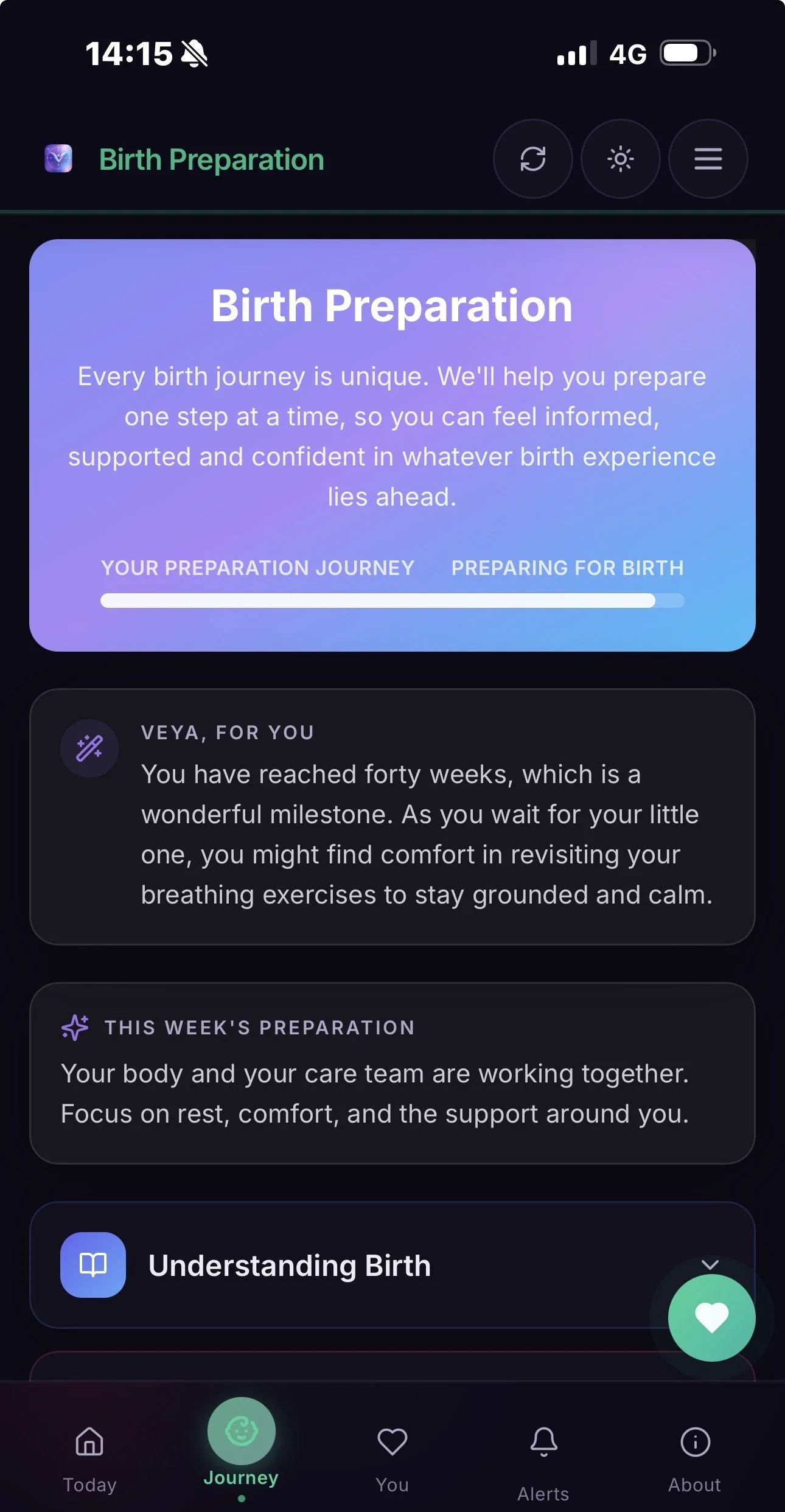
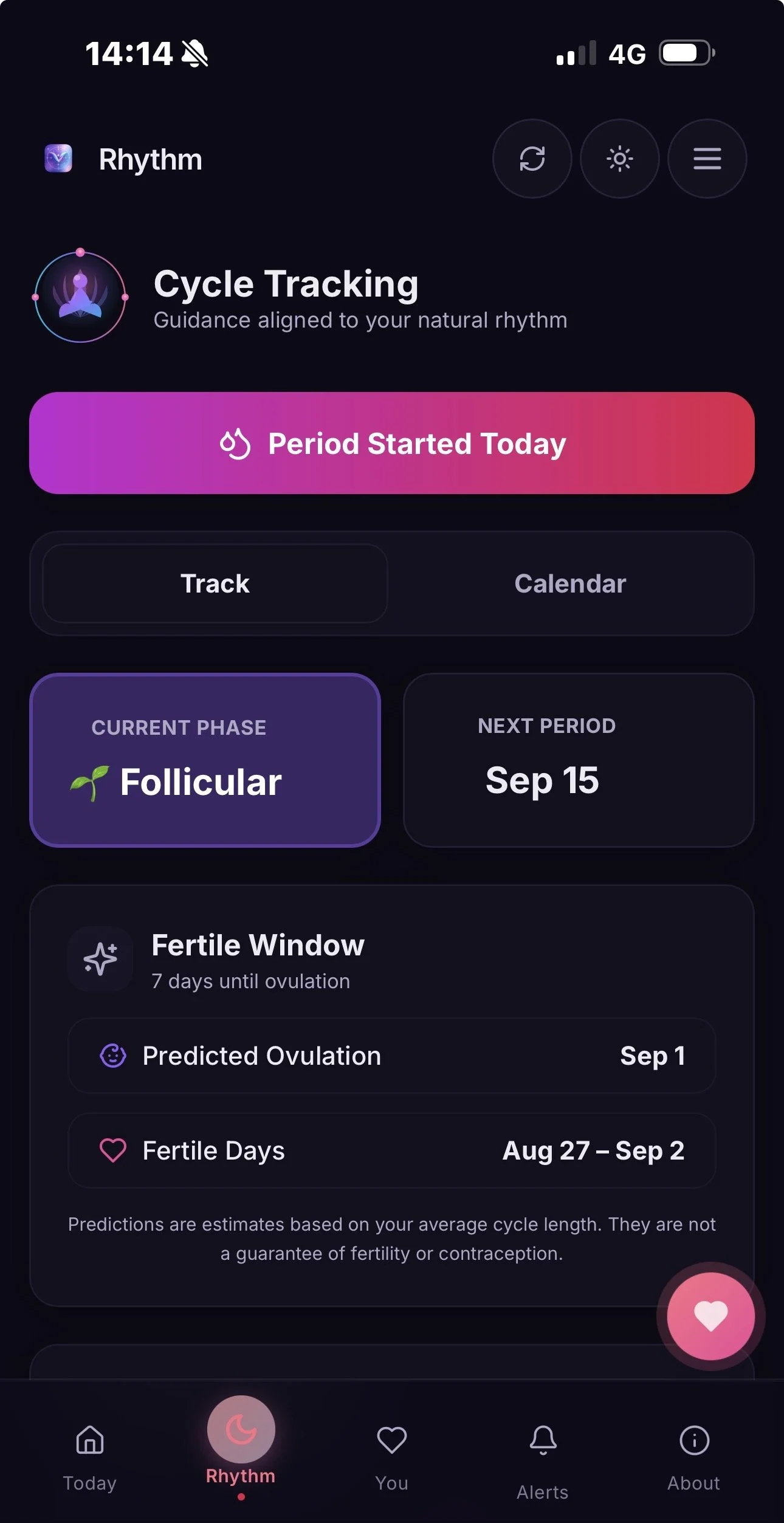
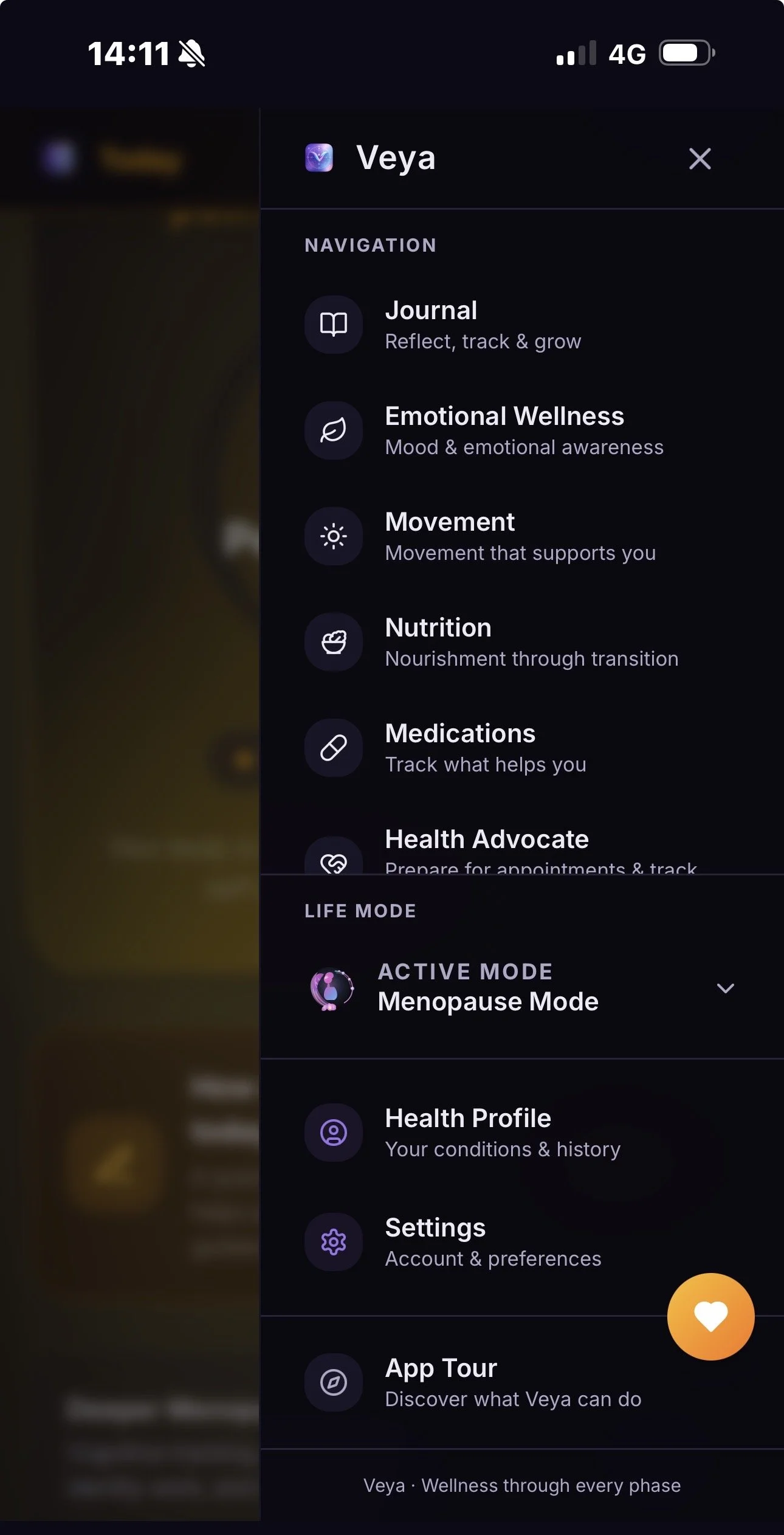
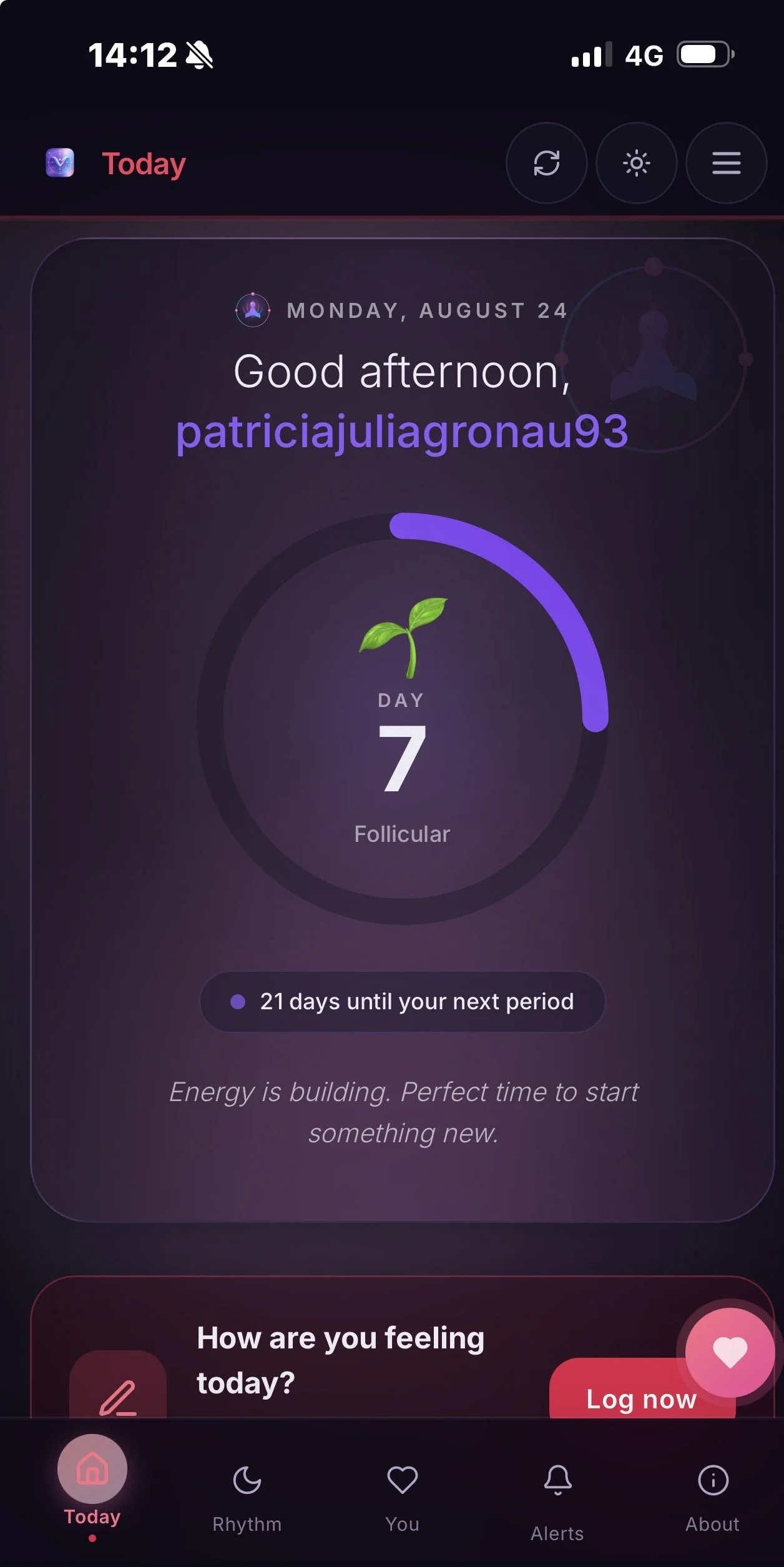
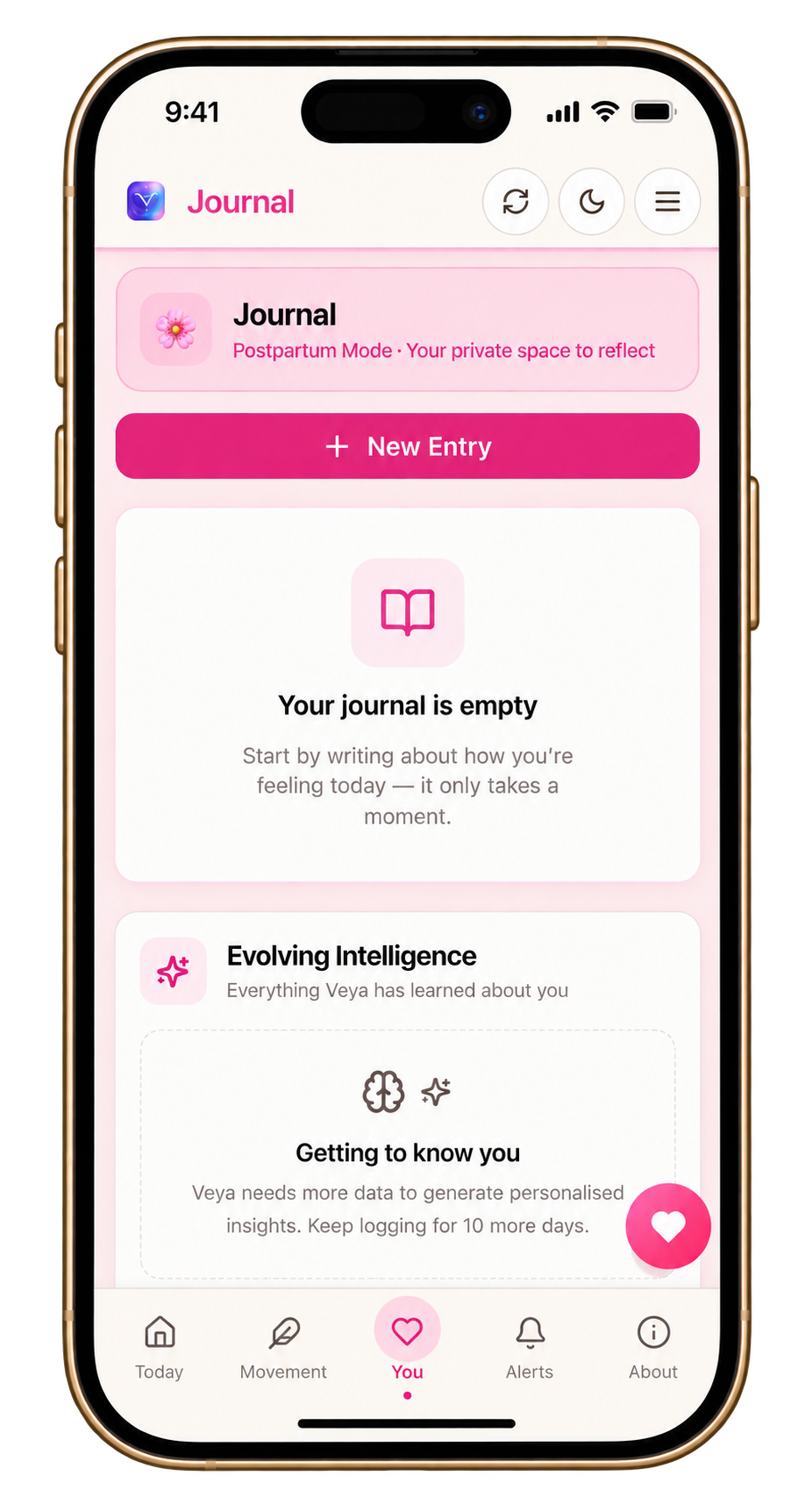
Veya Collective is building a new kind of longitudinal wellbeing intelligence, starting with women. By bringing together fragmented physical, psychological, hormonal, lifestyle and wearable signals, Veya creates one evolving picture of a woman’s wellbeing over time. Instead of treating sleep, stress, symptoms, mood, cycle changes and daily experiences as isolated data points, Veya is designed to understand how they interact and what may be changing from her own baseline. The aim is to make guidance more relevant, contextual and useful over time, while remaining evidence-governed and responsible. Think Flo, WHOOP and Oura had a baby — but one that connects the dots, finds your pain points and guides to your most optimised self.
Tell us a bit about your background and your projects so far.
My background, funny enough, has everything and nothing to do with what I’ve recently set out to achieve as I come from the film world. I’ve been producing high end content ever since I can remember - taking a concept or an idea and transforming it into some of the biggest cinematic titles out there. It definitely taught me to make the impossible possible, and that I feel is incredibly relevant when deciding to change the world of women’s wellbeing.
How did you get into this industry? Has it been an easy industry to get into, or have you had many challenges?
I got into this industry through frustration about my own experiences - particularly when a few years ago I found myself on my death bed, in need of a blood transfusion due to a simple misdiagnosis - not to mention I got really annoyed watching my mum struggle with menopause without having any support - so I decided to change that. Has it been easy? In some ways I believe we have been lucky but in others I feel like the FemTech sector is the hardest one to crack yet the one that deserves the attention and quality products the most.
How long did it take you to get to where you are now? What was the biggest obstacle? What are the challenges of being in the industry you are in?
We’ve only been promoting Veya Collective for the past two months so in founding terms you could call us a baby but even in such a short period we’ve managed to achieve a lot! Our biggest obstacle has been trying to find the “perfect fit” investor - as that is what we’ve been told to find. The platform sits at a large intersection of being a broad proposition with a niche intelligence so it can at first overwhelm people when presented but when you start to explain what it is already capable of doing and what it will further be able to do, they grasp its significance. The biggest challenge has been explaining to the male investors why such intelligence should exist in the first place, according to them women are fine and don’t need any help.
What are your biggest achievements to date?
My team is my biggest achievement - I’ve managed to assemble an amazing bunch of people from a CTO who is an AI specialist, an amazing female data scientist to a CMO specialist in reproductive health who has become my co-founder. The team is expanding with just the right people. We’ve also been accepted into the Araya labs from the Araya Ventures and have some lovely conversations with them, got accepted as an Alpha Startup into the Web Summit and got asked to pitch on stage. We haven’t yet started fundraising, we are looking to begin now but so far the response of everyone we’ve spoken to whether that’d be a potential B2B contract or an investor or a future user - they all see the vision and the need.
What are the projects you are currently working on?
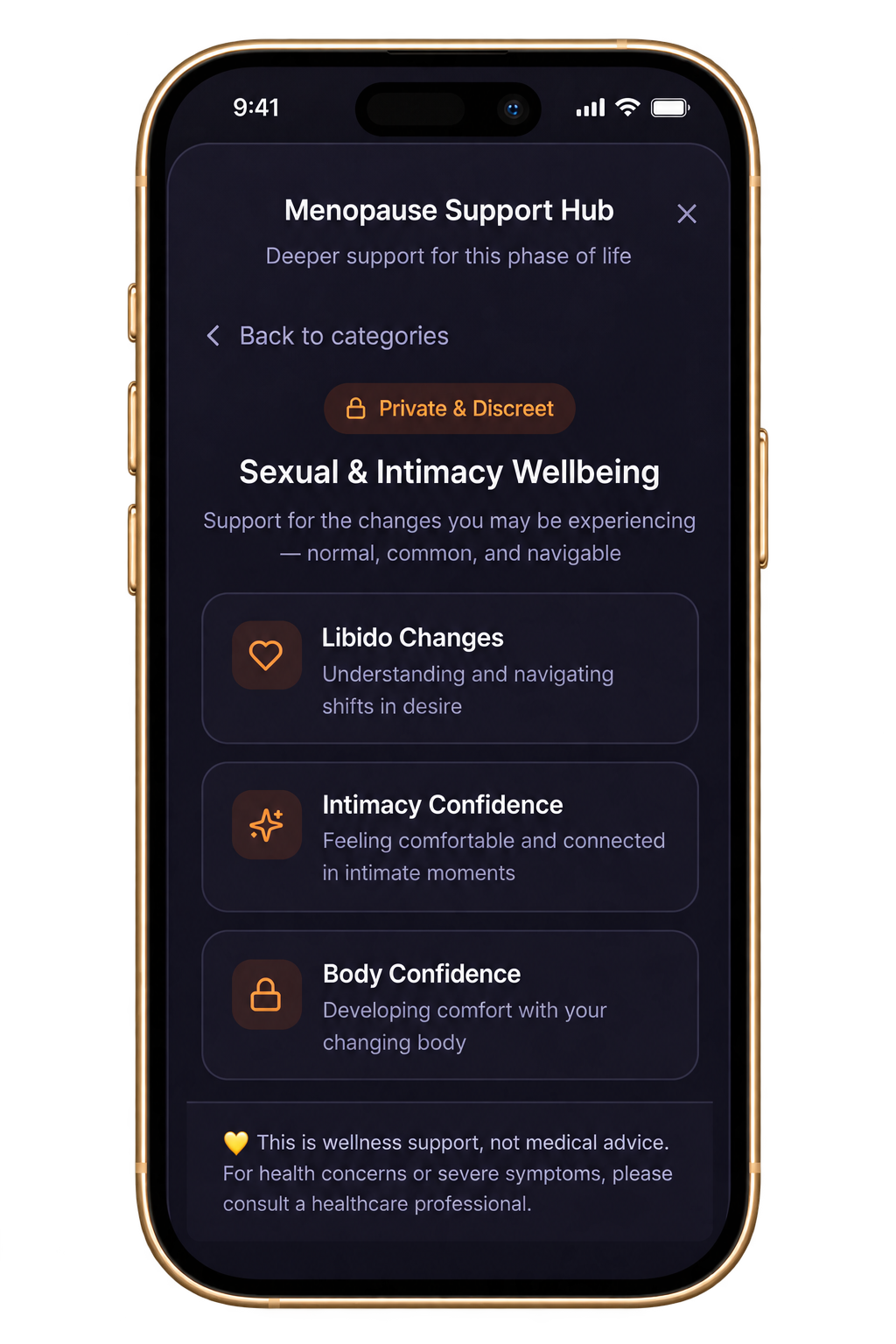
Veya Collective is the biggest project - we are essentially building the super knowledgeable, evolving and personalised wellbeing intelligence that spans physiological, psychological and lifestyle. The more of your own digital reflection or twin you build within the app the more it can connect the dots, pin point your pain points and provide a daily protocol on how to optimise those. We truly believe that our wellbeing is extremely complex and on any given day your friction points will differ and will need a personalised, varied approach.
Is the #WomenInTech movement important to you, and if yes, why?
It is absolutely vital for women to be seen as at least equals in capability and execution to men and a movement is just the right start to that.
What will be the key trends in your industry in the next five years, and where do you see them heading?
I see from some recent reports and that has also been my guess for the past year that it won’t be as much about yet another wearable or another tracking app but about projects, like Veya C, that unite data and provide context from it - identifying and building personal patterns for every user, learning their normal and build guidance on top of that. We have the information - at least some of it - we’ve got the data and now we need the context.
What is the most important piece of advice you could give to anyone who wants to start a career in this industry?
Be aware that pre-seed doesn’t mean what it meant anymore - you need traction, a ready product and preferably some revenue. Also be very picky, as much as you want to get investment, you want to get it from someone who truly understands what your vision is. Money comes with TCs and as much as you’re going to be vetted, you need to do some digging yourself on the people you’ll be getting into business bed with.
Who are three inspirational women in your respective industry you admire?
Marija Butkovic - sorry but it’s true; Malin Frithiofsson ; Rupa Popat
Find out more about Veya Collective on their website.