
WoW Woman in Women's Health I Dr Emilė Radytė, founder and CEO of Samphire Neuroscience

Dr Emilė Radytė is a neuroscientist and the founder and CEO of Samphire Neuroscience, a women’s health neurotechnology company.
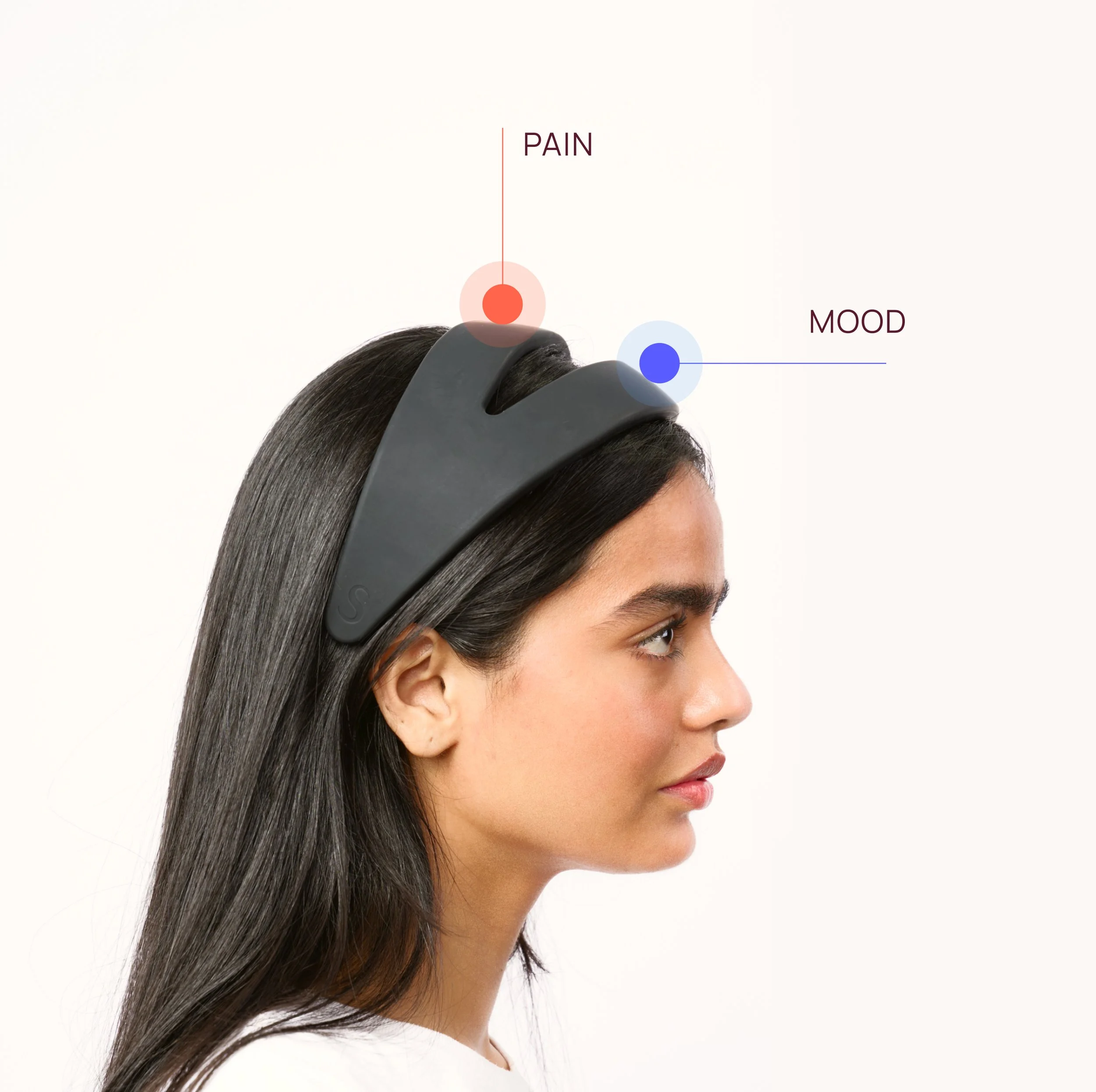
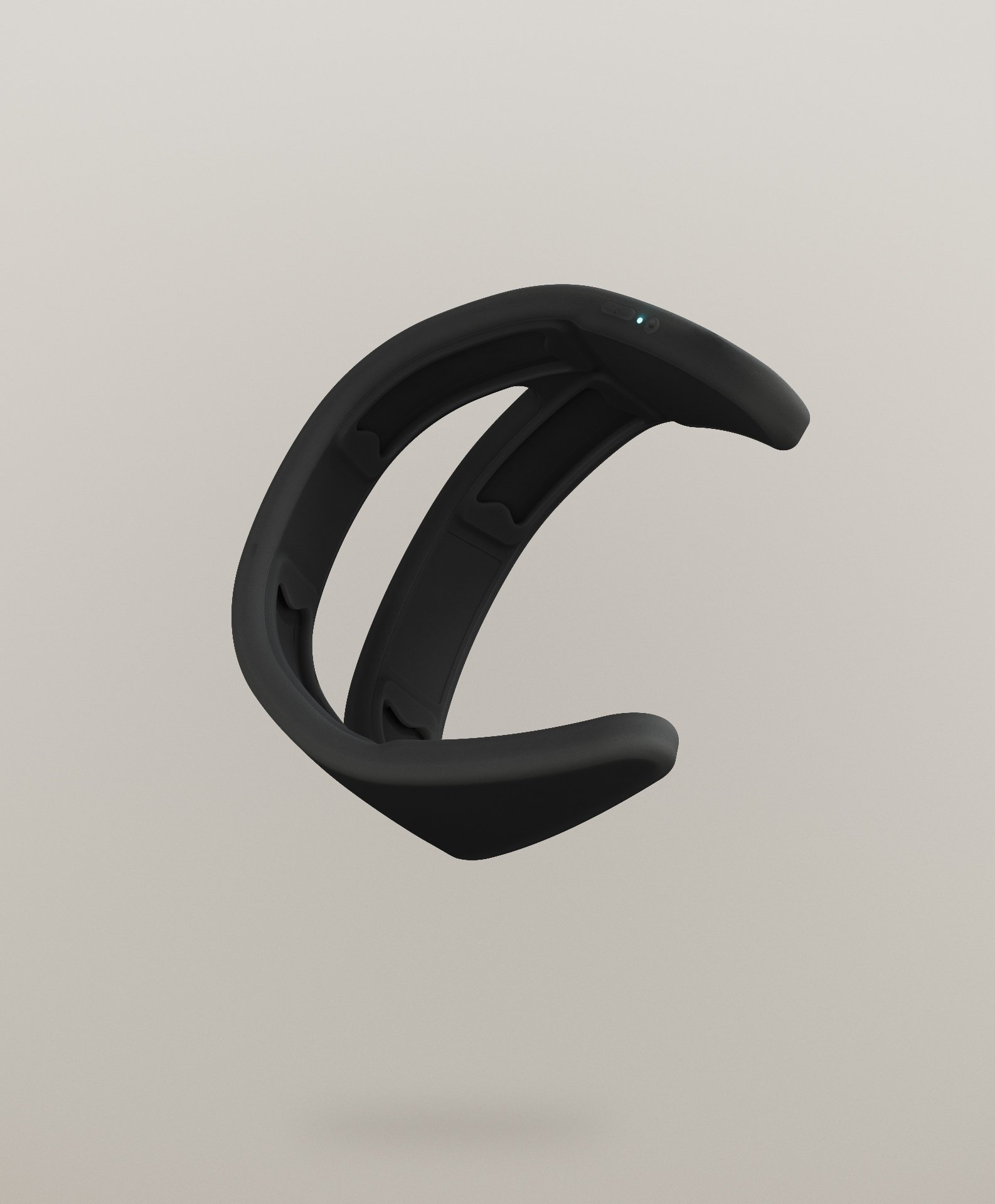
Her work focuses on applying neuromodulation and clinical neuroscience to PMS, PMDD, menstrual pain and endometriosis. She is the creator of Nettle, a CE-marked at-home neurostimulation device developed with clinicians and patients. Emilė is part of NHS Innovation Accelerator and a recognised voice in the emerging field of women’s neuroscience.
Samphire Neuroscience is a women’s health neurotechnology company building evidence-based, brain-first treatments for PMS, PMDD and menstrual pain. Its flagship product, Nettle, is a CE-marked neuromodulation device designed for safe at-home use and grounded in clinical neuroscience. Samphire combines rigorous research, regulatory-grade development and patient-centred design to establish women’s neuroscience as a core pillar of modern healthcare. https://samphireneuro.com
Tell us a bit about your background and your projects so far.
I’m a neuroscientist (Harvard BSc, Oxford MSc, Oxford PhD) and the founder and CEO of Samphire Neuroscience. My work sits at the intersection of brain science, women’s health, and medical technology, specifically focused on conditions like PMS, PMDD, menstrual pain and endometriosis that have historically been under-researched and under-treated.
At Samphire, we’re building neurotechnology that treats these conditions as neurobiological disorders rather than purely hormonal ones. Our flagship product, Nettle™, is a CE-marked neuromodulation device for at-home use, developed alongside clinicians, researchers and patients, with additional clinical trials to show cost-efficiencies of integrating drug- and hormone-free, medical-grade options for women into standard women’s health care pathways.
How did you get into this industry? Has it been an easy industry to get into or have you had many challenges?
I came into this field through neuroscience research rather than traditional health tech or business. During my research career, it became clear that many women’s health conditions were framed too narrowly despite strong evidence of central nervous system involvement. At the same time, millions of women are living with symptoms and conditions that lead to terrible quality of life, with few options available to support their needs.
How long did it take you to be where you are now? What was the biggest obstacle?
This has been a multi-year journey built through research, clinical validation, regulation and community as well as company-building. The biggest challenge has been bridging neuroscience, women’s health and regulated medical devices, while simultaneously habeing on the early stages of the technology being adopted by the NHS (entered mainstream NHS care in 2025) and the problem of women’s health needs itself.
What are the challenges of being in the industry you are in?
Building in women’s neurotechnology has been challenging due to high capital demands for clinical trials, R&D, manufacturing, compliance, patient education, regulatory complexity and bias. But, those challenges made the work feel urgent and necessary.
What are your biggest achievements to date?
Launching Nettle as a CE-marked device is a major milestone for women’s health. I’m also proud of contributing to the emerging field of women’s neuroscience through research, clinical trials and public discourse that reframes PMS, dysmenorrhea, endometriosis and PMDD as serious brain-based conditions.
What are the projects you are currently working on?
I’m focused on scaling Samphire’s clinical integration roadmap for Nettle, including trials in PMDD and endometriosis-associated chronic pelvic pain to demonstrate cost-effectiveness for healthcare system integration, alongside regulatory and reimbursement pathways and health system partnerships to improve access to options for women everywhere.
Is the #WomenInTech movement important to you and if yes, why?
Yes, particularly when it addresses what is being built and for whom. #WomenInTech is not only about representation but about correcting blind spots in innovation, especially in women’s health and brain health.
What will be the key trends in your industry in the next five years and where do you see them heading?
Key trends I see are the rise of interest in women’s neuroscience across both academia and everyday women, growth in neuromodulation and personalised at-home medical devices in healthcare and at-home settings, and definitely a greater use of real-world data and patient-centered trials that ensures diverse perspectives and user groups are represented in R&D work.
What is the most important piece of advice you could give to anyone who wants to start a career in this industry?
Learn to work at intersections. Strong innovation happens where science, lived experience and regulation/high standards meet. Build evidence early and don’t underestimate the value of scientific depth.
Who are three inspirational women in your respective industry you admire?
I admire women who combine professional rigor with system-level change, especially in advancing women’s health and quality of life despite structural barriers. Specifically, I admire philanthropists Melinda Gates, for her work on championing the high leverage, simple innovations that transform women’s lives and quality of life (especially in LMICs), and MacKenzie Scott, for her commitment to transforming options available to women (such as her work funding Planned Parenthood). In a different category, I admire public personas such as Alex Cooper, Vivian Tu and Maggie Sellers Reum, who use their platforms to break down stereotypes of what women are expected to be, and do, in the 21st century.
Find out more about Samphire Neuroscience on their website.
Follow Samphire Neuroscience on LinkedIn.

If you want to share your story with us and be featured on our WoW Women blog, get in touch.