
AI × Women’s Health Summit Unites 140 Clinicians, Investors and Regulators in London Call for Responsible Innovation
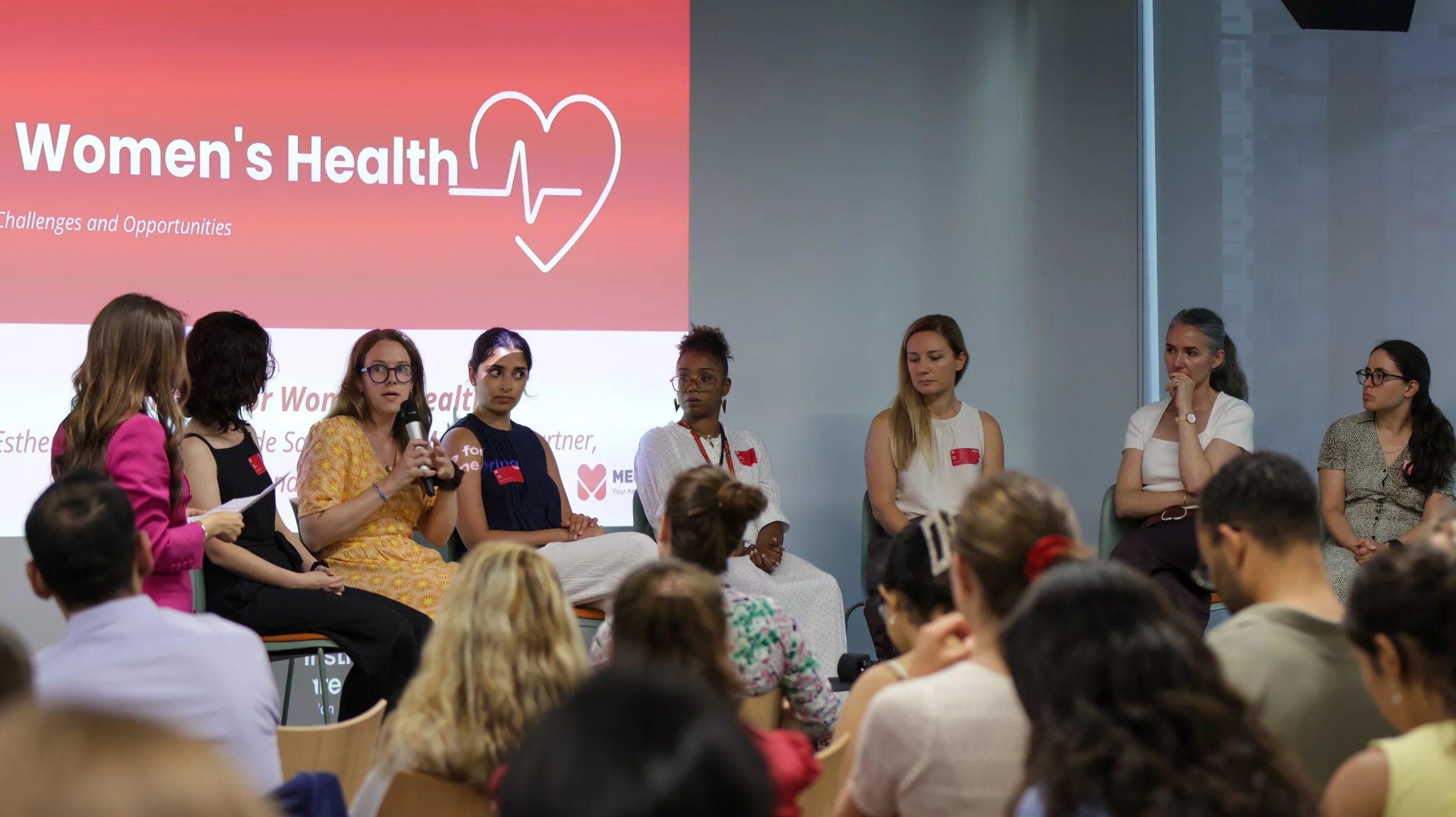
Inaugural half-day showcase at the London Institute for Healthcare Engineering sells out with a waiting list — bringing together researchers, founders, clinicians, investors and regulators to ensure AI delivers real change for women across health, not just incremental improvement
More than 140 clinicians, researchers, founders, investors and regulators gathered at the London Institute for Healthcare Engineering (LIHE) on 25 June 2026 for the inaugural AI × Women’s Health: Innovation, Challenges and Opportunities summit — organised by Megi Health to explore how artificial intelligence can close systemic gaps in female cardiovascular care.
All 140 places sold out ahead of the event, with further registrations joining a waiting list. The response confirmed what organisers describe as a “community ready and hungry for this conversation.”
Closing the cardiovascular gender gap
Cardiovascular disease is the leading cause of death in women worldwide, yet risk models, symptom guidance and treatment protocols have historically been built around male populations. Nina Sesto, CEO and Co-Founder of Megi Health, highlighted a critical and largely missed opportunity in her opening address: pregnancy.
“Hypertensive disorders of pregnancy, such as pre-eclampsia, are among the strongest predictors of future heart disease,”
“Yet in most healthcare systems, that window closes the moment a woman leaves the maternity ward. We treat the complication and send her home, missing the opportunity to intervene before chronic disease takes hold. AI changes that. For the first time, we have tools that can monitor risk continuously, detect patterns early, and follow women beyond the clinic — turning a brief window into a lifelong opportunity for prevention.”
— Nina Sesto, CEO and Co-Founder, Megi Health
Technology is not the hardest part
Across sessions spanning AI bias in clinical models, evidence generation, remote monitoring and regulatory pathways, a consistent theme emerged: the barriers to adoption are less about what technology can do, and more about whether health systems, clinicians and patients are ready to act on what it shows.
Speakers called for AI in women’s health to be built responsibly: with rigorous evidence generation, active protection against bias that could propagate existing inequalities, and a clear pathway from pilot to meaningful implementation at scale — a particular challenge in a sector facing chronic underfunding.
A multi-disciplinary summit
The summit brought together 22 chairs and speakers from across the clinical, research, technology, investment and regulatory landscape, including:
Professor Eugene Oteng-Ntim — King's College Hospital
Professor Asma Khalil — St George’s, University of London
Professor Richard Dobson — King’s College London
Dr Elsa Zekeng, Dr Ruba Abu-Salma, Dr Katy Kuhrt, Dr Jackie Matthew
Founders, investors and regulators shaping the women’s health AI ecosystem
Recordings from the summit will be published in the coming weeks. Video footage is available on request.
Find out more about Megi Health on their website.