
1 in 4 women cannot identify their menstrual cycle length, despite widespread use of tracking technology
Nearly 1 in 4 women (22%) don't know their menstrual cycle length, rising to 1 in 3 among under-25s, despite an explosion of period and fertility tracking apps
Two in five women (41%) actively trying for a baby can’t accurately identify their fertile window
When women trust their instinct that something is wrong with their reproductive health, 80% of the time there are clinical findings, yet they still face enormous barriers in getting their concerns to be taken seriously
The findings come from Hertility's Reproductive Report, one of the largest real-world reproductive health datasets in the world, built on over half a million completed health assessments
Women have never had more digital tools and apps to monitor their bodies and their health, yet a major new study from Hertility[1], the UK & Ireland's leading healthcare provider for women, reveals that nearly one in four (22%) don’t know their menstrual cycle length, and two in five trying to conceive can’t accurately identify their fertile window.
The findings come from Hertility's Reproductive Report, one of the largest reproductive health datasets in the world, drawing on data from over half a million completed health assessments.
Despite 70% of UK women having tracked their health using an app or wearable device, and more than half (51%) of those aged 44 and under using technology specifically to monitor their menstrual cycles[2], most were never taught the basic biology needed to make sense of what they're tracking. This has consequences that stretch from menstrual symptom confusion to delays in trying to conceive and in diagnosis times for chronic conditions like endometriosis.
Clinicians increasingly view the menstrual cycle as a key health indicator in its own right, alongside body temperature, pain, blood pressure, heart rate and respiratory rate. Changes in period length, flow or regularity may point to thyroid or ovulation problems and conditions such as endometriosis and polyendocrine metabolic ovarian syndrome (PMOS) (previously polycystic ovary syndrome (PCOS)).

Yet in a study of more than 383,000 UK women aged 18-50 who completed Hertility's online health assessment, nearly one in four (22%) do not know their menstrual cycle length, rising to one in three among those under 25. Meanwhile, one in ten could not say how long their period lasted, rising to 14% of under-25s.
Hertility’s data also exposes a persistent myth. For decades, the 28-day cycle has been presented as the default in school textbooks, apps and clinical guidance, but only 32% of women actually reported a 28-day cycle. The majority (67%) fell within the clinically normal but much wider 21-35 day range[2].
This lack of knowledge persists despite the widespread use of health technology. Separate research shows 70% of UK women have tracked their health using an app or wearable device, with more than half (51%) of women aged 44 and under using technology specifically to monitor their menstrual cycles[3].
Trying to conceive without knowing when you are fertile
Hertility’s report also found that 41% of women actively trying to conceive could not accurately identify their fertile window, the roughly six-day window each cycle when the chances of pregnancy are highest. Once released, an egg typically survives for just 12 to 24 hours, so knowing when your fertile window falls is key. It means that four in ten women were trying for a baby without knowing when their bodies were most ready to conceive. Awareness was lowest among younger women, with just 43% of under-25s able to identify their fertile window.

Even after a year of trying, women were no better informed, suggesting the knowledge gap does not close on its own without proper education.
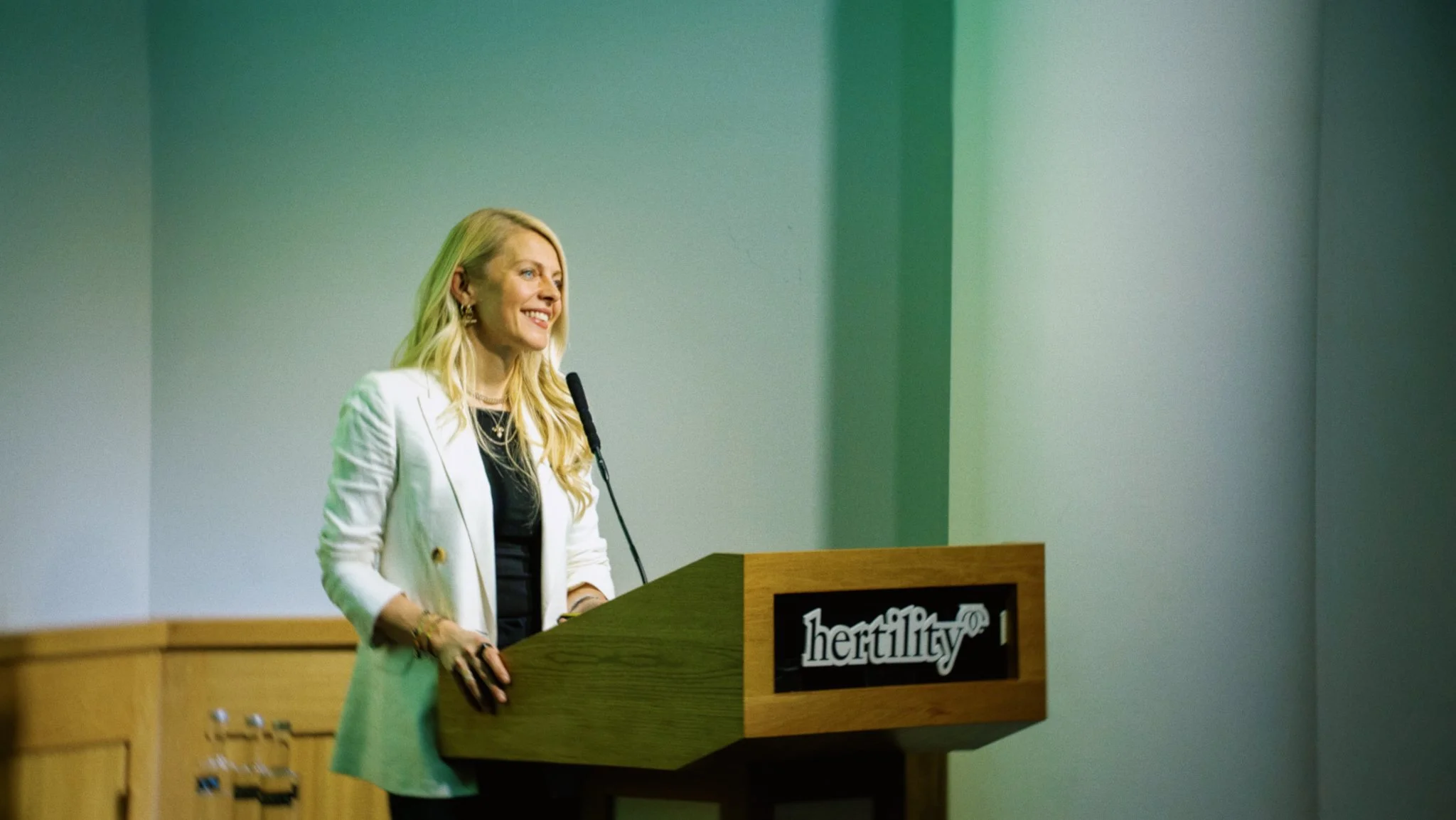
Dr Helen O'Neill, CEO of Hertility, the UK & Ireland's leading healthcare provider for women and Associate Professor in reproductive and molecular genetics at UCL, said: “Right now, a woman's cycle lives in one app, her symptoms in another and her hormone results somewhere else. Each gives her a fragment of information, but not the whole picture, and the burden of interpreting it all has quietly shifted from healthcare systems onto women themselves. That's the gap Hertility exists to close, bringing symptoms, cycles, hormone biomarkers and clinical care together so women can get answers and support, not just more data.”
Women's health instincts are right, but they are still not being listened to
Of the women who suspected something wasn't right and sought testing through Hertility, 80% received a result indicating a medical condition, and 74% had at least one hormone outside the recommended range.
Yet women are routinely dismissed. Nearly half of endometriosis sufferers visit their GP 10 or more times before being diagnosed, and 78% told a government committee they were accused of making a "fuss about nothing”. Many women with adenomyosis, fibroids, PMOS and other menstrual health conditions report the same pattern of not being taken seriously[4].
Dr Helen O'Neill said: “Women are good at knowing their bodies. When something feels ‘off’, that instinct carries real clinical weight and deserves to be met with trust, not dismissal. Listening to women earlier and taking their concerns seriously the first time they speak up could dramatically reduce diagnosis delays.”
1. The Reproductive Report 2026 draws on anonymised data from over half a million Online Health Assessments completed through Hertility, alongside a dedicated study of 97,414 UK women aged 18–45 actively trying to conceive and a further study of 383,000 UK women aged 18–50, representing one of the largest real-world datasets of reproductive health ever assembled. All data is collected and managed within an ISO 27001 and ISO 13485-certified framework.
2. NHS - Periods and fertility in the menstrual cycle.
3. YouGov - Here are the things that Brits are most likely to track using apps and tech.
4. Endometriosis UK - The long road to endometriosis diagnosis in the UK.
About Hertility
Hertility was born out of a need for preventative, personalised and dedicated expert healthcare across a woman’s hormonal lifespan. Hertility’s next-generation at-home diagnostic testing, telemedicine, treatments, prescriptions, and clinical services provide advanced insights into reproductive health, fertility decline, and the onset of menopause, as well as the diagnosis of 18 conditions with up to 99% clinical accuracy. Hertility is building a foundational model dedicated to female reproductive health, and holds the ability to reduce diagnosis times for some of the most common conditions from nine years to six days.
Founded by Dr Helen O'Neill, Deirdre O’Neill and Dr Natalie Getreu, Hertility is building the evidence base for modern reproductive healthcare and transforming how women access answers about their bodies.